REVIEW · CAPE TOWN
Ferry Tour to Robben Island Museum with One Way Hotel Transfer
Book on Viator →Operated by Giraffe Horizons · Bookable on Viator
Robben Island hits hard. This ferry tour from the V&A Waterfront pairs UNESCO World Heritage sights with guided storytelling from former political prisoners, so you don’t just see the site—you understand what it cost.
The biggest drawback is ticket friction. One recent snag: getting the tickets at the Nelson Mandela Gateway ticket counter can take 20 to 30 minutes, even when ordering was already a bit of a puzzle, so plan extra time.
In This Review
- Key highlights you’ll care about
- A ferry trip to a UNESCO site of resistance
- Price and value: what $82.32 gets you
- Where you start at the V&A Waterfront matters
- The waterfront clock tower and ferry ride views
- Museum bus tour: setting the stage on Robben Island
- Maximum-security prison tour: where the story gets physical
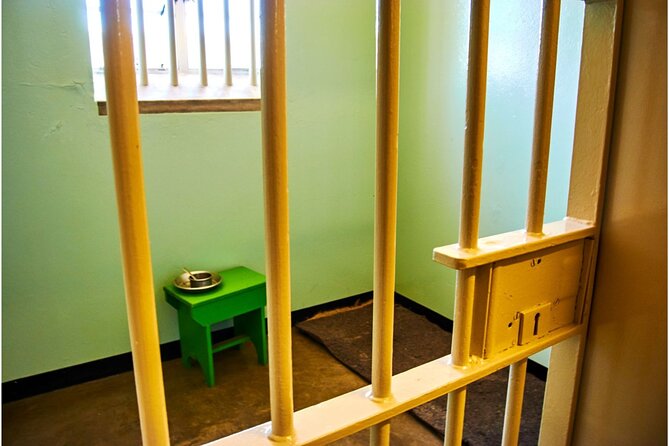
- Nelson Mandela’s cell: a focused stop with real weight
- Walking time and pacing: your feet get a say
- Small group size (max 20) and why it helps
- Ticketing reality: don’t underestimate the counter line
- Who should book this Robben Island ferry tour
- Should you book it?
- FAQ
- How long is the Robben Island ferry tour with hotel transfer?
- Where does the tour start and end?
- What’s included in the tour price?
- Is hotel pickup or drop-off included?
- Do South African nationals need to bring anything special?
- What happens if the tour is affected by bad weather or you need to cancel?
Key highlights you’ll care about
- Former political prisoner guides give the story a direct, personal weight you can’t replicate from a brochure.
- Ferry ride from the V&A Waterfront adds real Cape Town scenery, with time to look at Table Mountain and the coastline.
- Bus tour plus prison tour means you get both the big picture and the on-the-ground details.
- Nelson Mandela’s cell stop is built into the route and anchors the visit.
- Small group size (max 20) helps keep the tour moving and the conversations human-sized.
A ferry trip to a UNESCO site of resistance
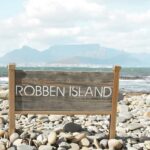
I love tours where the transport is part of the story, and this one does that. You start at the V&A Waterfront and cross by ferry to Robben Island, a straightforward ride that also gives you a chance to look back at Cape Town from the water. That matters, because Robben Island is not a generic museum stop—it’s a place where geography and isolation are part of what happened.
The heart of the visit is the guided narration. The tour is led by guides who share personal experiences, and they’re often former political prisoners. That gives the day a different texture. You’re not just collecting facts about apartheid and the freedom struggle. You’re hearing how it felt, what choices were constrained, and what endurance looked like from inside the system.
There’s also a built-in respect for pacing. The day is split into clear segments: ferry, guided bus tour, maximum-security prison visit, a focused Mandela cell stop, and a bit of walking. It’s structured enough that you can follow the narrative without feeling rushed through everything.
Price and value: what $82.32 gets you
At about $82.32 per person, this isn’t the cheapest half-day outing in Cape Town. But you’re paying for a very specific mix of access and interpretation: return ferry, admission tickets for the museum sections, and guided tours that include a prison component led by former political prisoners. The price also includes a bus tour around key sites on the island.
Here’s how I think about value on this kind of trip:
- You’re buying experience access, not just scenery. The prison tour and Mandela cell visit aren’t the type of thing you want to self-navigate.
- You get two layers of guidance. There’s the guided bus tour around major locations, then a more detailed prison tour.
- Small group size is part of the deal. With a cap of 20 people, you’re less likely to feel like a number.
One practical note: group discounts exist, and booking around 14 days in advance is common on this product. If you’re traveling in a group, it can help to check whether your dates qualify for better pricing.
Where you start at the V&A Waterfront matters
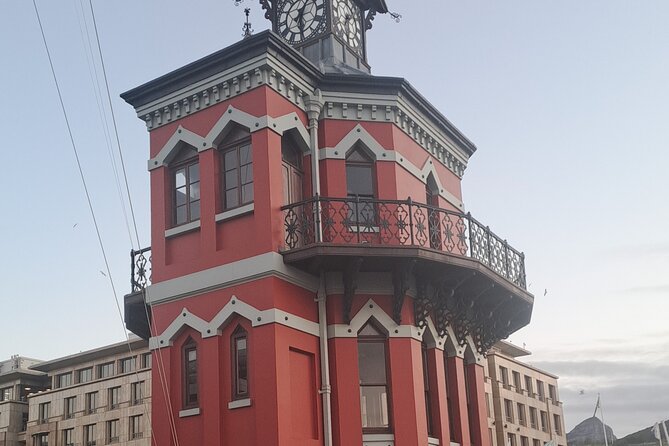
Meeting point and ticket redemption both happen at the Nelson Mandela Gateway to Robben Island at the V&A Waterfront. That’s useful information because it means you’re not doing a complicated pick-up shuffle. The tour ends back at the meeting point as well.
Two things to keep in mind:
- No hotel transfer is included. So you’ll need your own way to reach the waterfront.
- The ticket counter can be slow. Even if you place an order, getting the actual tickets at the museum/ferry dock may take 20 to 30 minutes, based on what people have reported.
If you want this to feel smooth, treat the start like part of the tour. Arrive with buffer time so your day doesn’t hinge on a single line.
The waterfront clock tower and ferry ride views
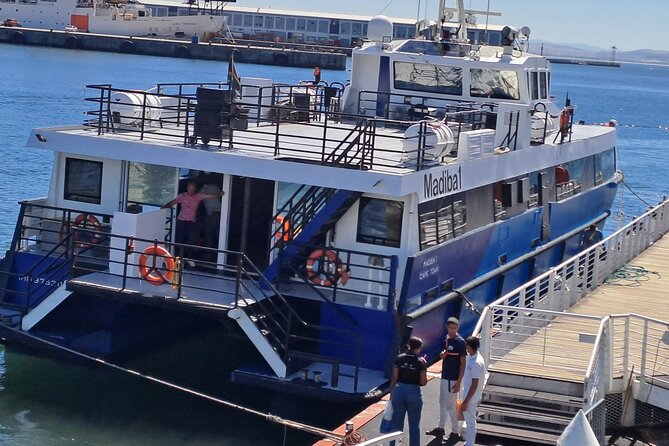
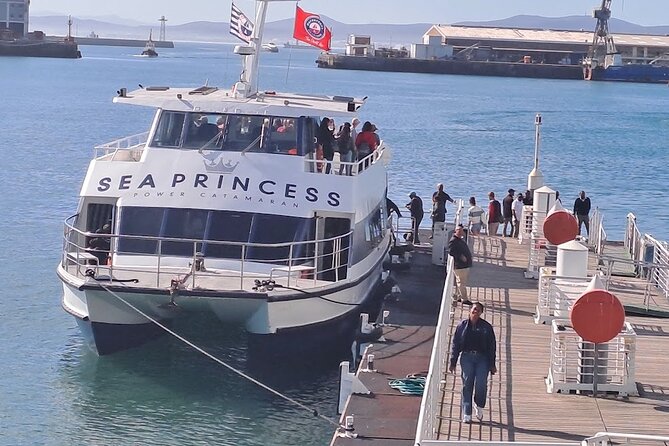
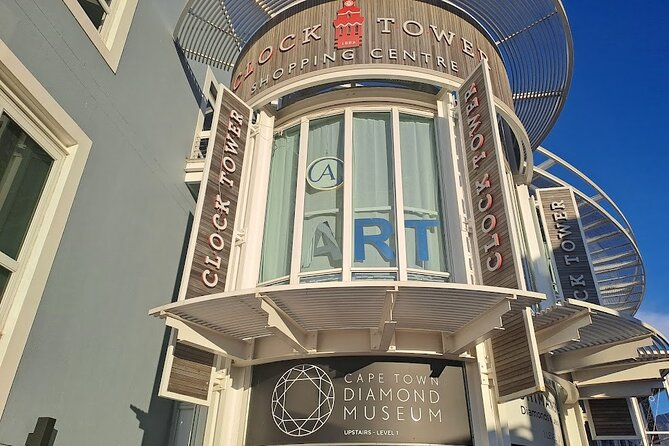
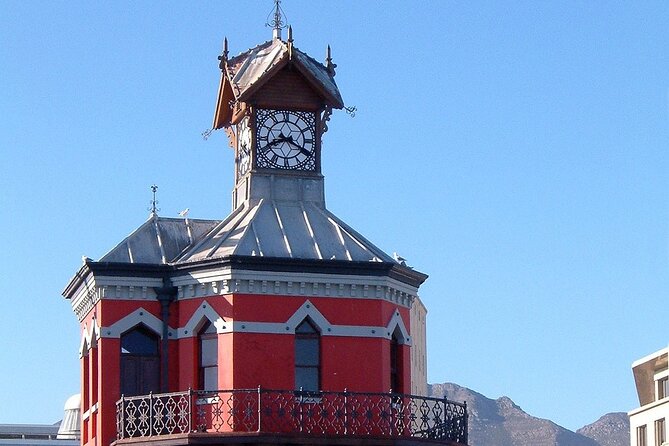
The day begins with the waterfront clock tower area, then you board for the ferry crossing. The ride takes about 30 to 45 minutes each way.
That time is not wasted. You’ll get views over Table Mountain and the Cape Town coastline as you move toward the island. It also gives you a mental reset before the museum portion starts—especially helpful on a trip that deals with heavy history.
What to expect from the ferry segment:
- It’s scenic, but it’s also practical travel time.
- You’ll likely want to plan for being outside and exposed to wind, since ferry crossings can feel brisk even when the city is warm.
Museum bus tour: setting the stage on Robben Island
Once you arrive, the first guided portion is a bus tour around the island. This is about 1 hour, and admission is included.
The point of this segment is clarity. You’re taken to key historical locations so you can understand how the island was used and organized. A major stop on this route is the limestone quarry area, where political prisoners, including Nelson Mandela, were forced to work.
Why this bus tour is so valuable: it places names and events into space. Without that orientation, it’s easy to experience the prison sites as a collection of separate stops. With the bus routing first, the later prison tour lands with more meaning.
A quick caution: bus tours move at group pace. If you prefer slower, more independent exploration, build that expectation into your mindset. This is a guided, structured route, not a free-roam stroll.
Maximum-security prison tour: where the story gets physical
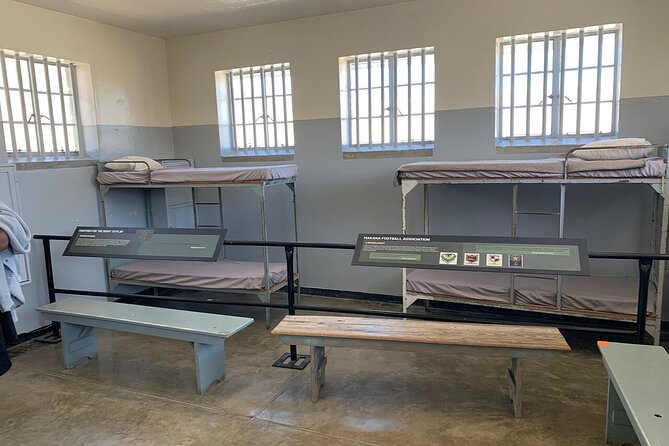
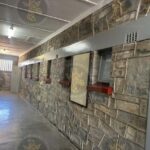
This is one of the highlights of the day: the maximum-security prison visit, also about 1 hour. Admission is included again here.
The standout detail is the way it’s delivered. The prison tour is often led by former political prisoners, who share personal stories and experiences. That’s the difference between reading about incarceration and hearing how daily routines, rules, and survival played out for real people.
What I think you should pay attention to during this part:
- The difference between the site and the message. The location is there, but the guide’s story turns the architecture into lived experience.
- The human scale of the narrative. Even when the system was designed to crush individuality, the narration brings back personhood.
The emotional intensity is part of the value here. It’s not meant to be casual. If you want a tour where you can keep it light, this might not fit. If you want a visit that respects the subject and gives context through lived testimony, this section is the center of gravity.
Nelson Mandela’s cell: a focused stop with real weight
After the prison tour, there’s a dedicated stop at Nelson Mandela’s cell. This segment is about 30 minutes, with admission included.
This is a smaller, more focused time block. That matters, because the Mandela cell stop works best when it’s treated like a moment rather than a checklist item. The route gives you time to stand in the place where he was incarcerated for 18 of his 27 years in prison.
Even if you already know the headline facts, this stop tends to hit differently because it is direct and specific. It’s not just an idea about freedom; it’s a room, a confinement, a time span.
If you’re visiting with someone who needs breaks, plan for the fact that this part is likely the most emotionally demanding. The route is designed to keep moving, but you can still take a quiet pause if needed.
Walking time and pacing: your feet get a say
There’s also a walking segment included in the day. The walking portion is about 30 minutes, with admission tickets included as part of the overall museum access.
This is not a long hike, but it is real walking on a historic island site. The pacing is guided—walk to the bus, board, walk again—so comfortable shoes matter more than fashion.
If you’re the type who wants to stop for photos every five steps, you may feel slightly constrained. The route is built around a schedule and group movement. Still, it’s enough time to take in the spaces without feeling like you’re sprinting through.
Small group size (max 20) and why it helps
This tour caps at 20 travelers, which is a big deal for a place like this. Smaller groups are easier to manage on ferry logistics and on-site movement, and they also keep the guide’s storytelling from feeling like it’s being shouted over a crowd.
In practical terms, that often means:
- less waiting to get your bearings inside the museum areas
- more chance to hear what the guide is saying
- a smoother flow through the prison and cell segments
Ticketing reality: don’t underestimate the counter line
One thing I’d highlight for your day planning: the actual tickets can be hard to get. Ordering can feel challenging, and at least one person reported 20 to 30 minutes at the ticket counter to finally receive tickets at the museum/ferry dock.
So here’s my plain advice: treat the start point like a real logistics checkpoint. Show up early enough that you’re not stressed if the counter moves slowly. If your schedule is tight, this detail can make or break how enjoyable the rest of the day feels.
Who should book this Robben Island ferry tour
This tour is a strong fit for you if you:
- want a guided interpretation led by former political prisoners
- appreciate structure that builds understanding step by step
- value access to the bus tour, maximum-security prison, and Mandela’s cell in one route
- prefer smaller groups (max 20) for a less crowded feel
It’s also a good match if you’re specifically interested in apartheid history and the struggle for freedom, because the route centers those themes and supports them with on-site stops like the quarry and prison areas.
On the flip side, if you want a laid-back day with lots of free roaming and minimal emotional weight, you might find this heavy. It’s educational by design and the prison content is not just a side note.
Should you book it?
Yes, book it if you want a guided Robben Island visit that combines Cape Town views with a museum route anchored by personal testimony. The combination of ferry ride, the island orientation bus tour, the maximum-security prison experience, and the Mandela cell stop makes the day feel complete.
Just don’t ignore the one practical snag: tickets may be slow to obtain at the Nelson Mandela Gateway ticket counter. If you arrive with buffer time, you’ll likely spend less energy stressing and more time absorbing what this place teaches.
FAQ
How long is the Robben Island ferry tour with hotel transfer?
The duration is approximately 4 hours 30 minutes.
Where does the tour start and end?
You meet at the Nelson Mandela Gateway to Robben Island at the V&A Waterfront in Cape Town. The tour ends back at the same meeting point.
What’s included in the tour price?
Included are the return ferry ticket, a guided tour with a former political prisoner, and the bus tour. Admission tickets for the ferry and museum portions are included as part of the tour stops.
Is hotel pickup or drop-off included?
No. Hotel pickup and drop-off are not included.
Do South African nationals need to bring anything special?
Yes. South African nationals must provide an identification card bearing the 13 card number.
What happens if the tour is affected by bad weather or you need to cancel?
The tour requires good weather. If it’s canceled due to poor weather, you’ll be offered a different date or a full refund. You can cancel for free up to 24 hours in advance for a full refund.