REVIEW · CAPE TOWN
Cape Town: Robben Island ferry ticket with guided tour
Book on GetYourGuide →Operated by Nyasha Travels & Tours · Bookable on GetYourGuide
Ferries to memory in the middle of Table Mountain. I like the way this trip pairs the ferry ride with real prison-cell storytelling, and I also love visiting Nelson Mandela’s former cell in a place that still feels heavy. One drawback to plan for: the schedule can feel a bit rushed, and crowding can make it harder to linger when the pace quickens.
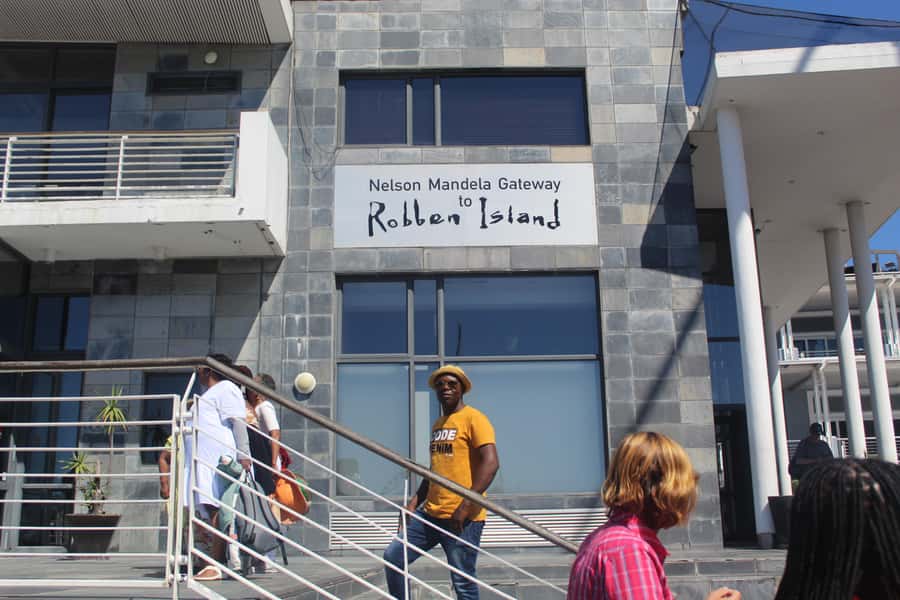
You’ll meet at the Nelson Mandela Gateway at the V&A Waterfront (right by the Clocktower) and head out on a roughly 30-minute ferry to Robben Island. The whole tour is about 4 hours, and it’s in English with a live guide, with an option for wheelchair access if you need it. Bring a jacket and comfortable clothes, and if you’re prone to seasickness, take that seriously before you step on the boat.
In This Review
- Quick Highlights
- From V&A Waterfront to Robben Island in About 30 Minutes
- What Makes the Tour Powerful: Prison Stories From a Live Guide
- Walking the Island: Leprosy Graveyard, Lime Quarry, and Sobukwe’s House
- Maximum Security Prison and Mandela’s Cell: The Moment That Sticks
- Price and What You Actually Get for $74
- Timing, Crowds, and When the Tour Feels Rushed
- What to Bring (and What Can Ruin Your Day)
- Where the Tour Starts: Nelson Mandela Gateway at the V&A Waterfront
- Who This Robben Island Tour Fits Best
- Should You Book This Robben Island Guided Ferry Tour?
Quick Highlights

- Ferry ride with Table Mountain views as you cross the water and again on the way back
- Live guide who shares prison stories in English
- Mandela’s prison cell visit as the emotional high point
- Stop-by-stop island sites like the leprosy graveyard, Lime Quarry, and Robert Sobukwe’s house
- Maximum security prison areas where the scale of confinement becomes obvious
From V&A Waterfront to Robben Island in About 30 Minutes
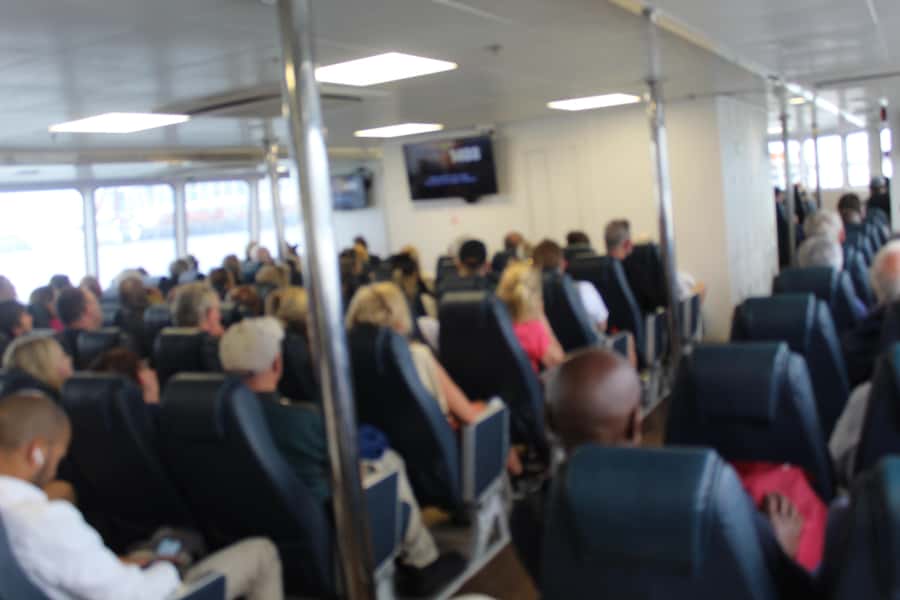
Cape Town’s waterfront is a natural warm-up for this day. When you start at the Nelson Mandela Gateway at the V&A Waterfront—next to the Clocktower—you’re already in the right mood: sea air, the buzz of tourists, and that sense you’re about to go somewhere that matters.
Then you board the ferry and the pace shifts. The ride to Robben Island is about 30 minutes, long enough to get your bearings and enjoy wide views back toward the city. If you’re the type who likes to take a moment and look up at the scenery, this part works well, because the whole day isn’t just standing in line or moving through exhibits.
On the way back, you’ll get another ferry window with coastal vistas and a view of Table Mountain. I like that the tour doesn’t end in a dark room—it closes with the landscape you started from, which helps your brain “reset” without erasing what you just learned.
What Makes the Tour Powerful: Prison Stories From a Live Guide
The biggest reason this tour is worth your time is the human element. You’re not just watching facts on a screen. You’re hearing accounts of life during apartheid from a former inmate, shared by the live guide leading your group.
Even if you’ve read about Robben Island before, hearing it spoken tends to land differently. The guide’s job isn’t to dramatize; it’s to explain daily life, routines, and the reality of imprisonment in a way that helps you understand the system, not just the headline.
That said, pace matters here. Some runs can feel like they’re moving quickly, so you might not get long stretches for questions or quiet reflection. If you’re the type who processes best with slower timing, keep that in mind.
Walking the Island: Leprosy Graveyard, Lime Quarry, and Sobukwe’s House
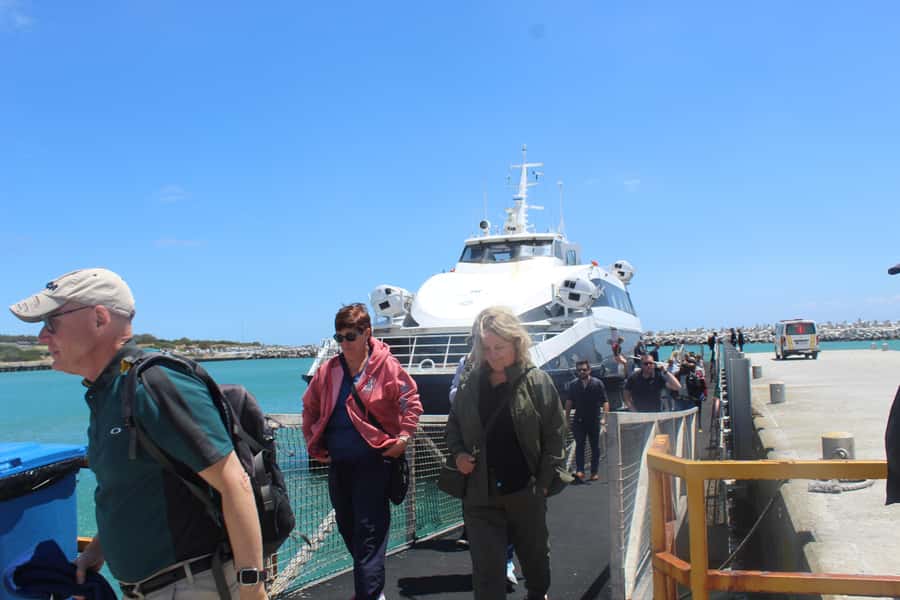
Once you arrive, the tour turns from scenery to sites. This is the part where Robben Island becomes more than a photo-op, because you follow a route that connects separate places into one story of control, suffering, and political resistance.
You’ll visit several named locations:
- The leprosy graveyard
- Lime Quarry
- Robert Sobukwe’s house
Each stop adds a different layer. The leprosy graveyard signals how the island was used beyond prisons, showing how people could be segregated and removed under oppressive rules. The Lime Quarry is one of those places that helps you grasp the island’s physical demands, not just its meaning.
Then there’s Robert Sobukwe’s house. Seeing a specific site tied to Sobukwe gives you a clearer picture of how individual political leaders were treated and separated. I like that the tour doesn’t only focus on one person; it threads the wider anti-apartheid story into the route.
One practical note: when groups are larger, busier moments can turn this section into a “keep moving” experience. If you hate being rushed, try to stay alert and ready to move as soon as the guide calls it—your best view happens when you’re in position early.
Maximum Security Prison and Mandela’s Cell: The Moment That Sticks
The tour peaks at the maximum security prison area and then reaches its most memorable stop at Nelson Mandela’s legendary prison cell. If you’re wondering what makes this visit different from a museum, it’s the scale of space and the realism of the setting.
The maximum security prison stop helps you understand the structure of incarceration—how the island was built around control and confinement. Even without any dramatic staging, the place communicates what power felt like from the inside.
Then you reach Mandela’s cell, and the tone changes. The environment becomes quiet in your head, even if your group is still talking. You’re seeing a real cell, not a recreation, which makes the stories you heard on the ferry and earlier on the island feel more urgent.
If you’re sensitive to emotional sites, plan for a slower end. This is not a “speed through for the checklist” stop, even if the schedule pushes forward. I suggest you give yourself a mental buffer so you’re not trying to multitask with photos and explanations at the same time.
Price and What You Actually Get for $74
At $74 per person for a 4-hour guided experience, the question isn’t just the ticket price. It’s what’s included and how much “guided value” you get for that time.
From what’s included, you get:
- ferry ticket to Robben Island
- live guide
- island and prison tour
That matters because Robben Island isn’t just a random island hop. The logistics are part of the cost, and the guide component is the part that turns the visit into understanding. A ferry alone won’t explain what the named sites mean. A prison cell alone won’t connect to apartheid life without real storytelling.
What’s not included is also useful to know upfront. There’s no hotel pickup or drop-off, and food and lunch aren’t included. That means you’ll want to plan your Cape Town day around starting at the V&A Waterfront and grabbing food before or after.
Value-wise, I’d say it’s a fair price for a guided, transport-included visit—especially because the Mandela cell stop is the reason many people come. If you’re comfortable managing your own arrival and you want a guide-led explanation, it’s strong value. If you want total free time to wander on your own, you may find the structured pacing limiting for the money.
Timing, Crowds, and When the Tour Feels Rushed
Robben Island tours can get busy, and this one is no exception. The experience is described as guided and time-bound, and that can create a tight rhythm on some days—enough that you might feel herded between key points.
When buses or group transport get crowded, two things usually happen:
1) you may lose sightlines from where you’re seated
2) you might not be able to step off when you’d like
If you’re thinking about how to protect your experience, here’s what helps. Arrive with time to breathe before you board. When your group boards, be ready to move quickly. And during the stops, focus on catching what the guide says during key segments rather than trying to “collect everything” with photos.
Also, don’t pick this tour if you’re already exhausted. It’s a lot to process in one block. I’d rather you go rested than try to power through it on a half-sleep schedule.
What to Bring (and What Can Ruin Your Day)
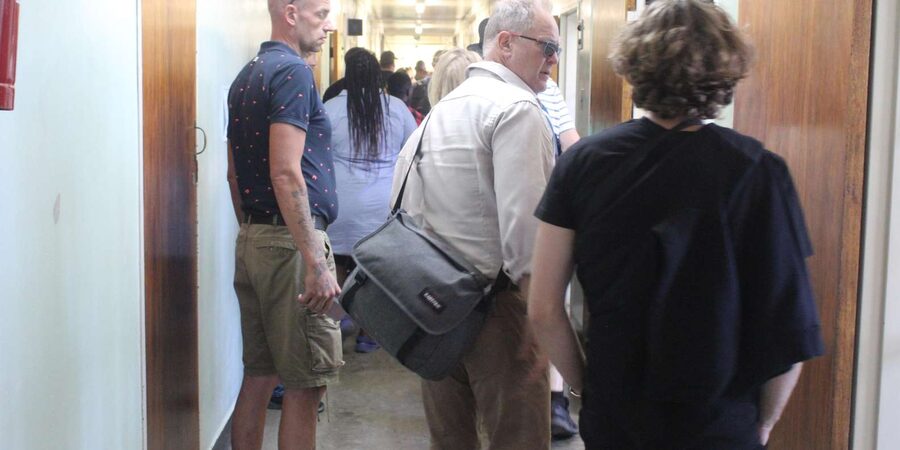
This is the kind of tour where small comfort issues turn annoying fast. Here’s what you should bring based on what’s recommended:
- Passport or ID card
- Jacket
- Comfortable clothes
A jacket is especially practical because the water can bring a chill, and you’ll be on the ferry early and again on the return.
The big warning is seasickness. This tour is not suitable for people prone to seasickness. If boats make you miserable, don’t “tough it out.” Choose another way to see the story of apartheid that doesn’t hinge on ferry comfort.
Where the Tour Starts: Nelson Mandela Gateway at the V&A Waterfront

Getting to the start is straightforward, which I appreciate. Your meeting point is the Nelson Mandela Gateway to Robben Island at the V&A Waterfront, next to the Clocktower.
I recommend you build in extra time for that first step. It’s where your day either feels smooth or starts stressful. If you arrive late, you risk losing your position in a time slot that’s already structured.
Once you’re at the gateway, the rest flows. You’ll board the ferry, transfer to island transport, and follow the guide-led route through the key locations—ending back at the gateway.
Who This Robben Island Tour Fits Best
This isn’t a casual sightseeing stroll. It’s a structured experience with a serious theme, so it suits people who want context and guided interpretation.
It’s a great fit if you:
- want to see Nelson Mandela’s former cell
- prefer learning from a live guide with personal stories
- like history that’s grounded in real places, not just captions
It may be a less ideal fit if you:
- hate being rushed through stops
- get uncomfortable in crowds or on group transport
- are prone to seasickness
If you’re traveling with older kids who ask a lot of questions, this can work well because the guide’s explanations give you something to talk about afterward. If you’re traveling with a group that needs lots of free time for wandering, you might feel boxed in by the timed structure.
And if you’re a wheelchair user, the tour is listed as wheelchair accessible, so it’s worth considering—just make sure you’re comfortable with how ferry boarding and on-island movement work for your specific needs.
Should You Book This Robben Island Guided Ferry Tour?
If your top priority is a guided visit to Robben Island with Mandela’s cell as the centerpiece, I think this is a strong booking. The value comes from the combination of ferry transport, a live English guide, and the visit to sites that don’t just look important—they explain why they mattered.
But I’d be picky about your fit. Book it if you can handle a structured schedule and you want your learning guided by stories from someone who knows prison life from the inside. Skip it (or plan a different approach) if you’re likely to feel sick on the ferry or if you need long unhurried breaks.
If you do book, show up early, wear layers, and treat the Mandela cell stop as the emotional anchor of your day. Take your time with that moment, even if the rest of the day moves quickly.