REVIEW · CAPE TOWN
Cape Town: Robben Island Ferry Ticket and Townships Tour
Book on GetYourGuide →Operated by Sam's Cultural Tours · Bookable on GetYourGuide
Apartheid history gets real fast on this Cape Town day: you visit District Six and Langa with guides in an air-conditioned minivan, then head to the ferry for Robben Island with your ticket included. You get more than sightseeing, since you’re shown how policy shaped daily life and how that impact is still visible in places like Gugulethu.
I especially like the way the tour builds context step by step, moving from forced removals to present-day neighborhoods, and then to Mandela’s prison. I also love the hands-on community moments in Langa, including a shebeen stop for homemade beer and a meeting with a traditional African healer. One drawback to keep in mind: the Robben Island prison portion can feel a bit rushed, so come with patience and expect a lot of people in the mix.
Key things I’d keep an eye on
- District Six in the 1970s: the scale of forced removals is hard to forget.
- Langa walking tour: Old Pass Office and a Robert Sobukwe monument help you anchor the story.
- Shebeen + homemade beer: you’re not just learning from a textbook.
- Traditional healer visit: a firsthand look at belief systems and community life.
- Gugulethu 7 and Amy Biehl memorials: names and dates that explain what anti-apartheid struggle cost.
- Robben Island ferry depends on weather: plan for a possible reschedule without panic.
In This Review
- Cape Town townships and Robben Island in one day: what you’re really signing up for
- District Six drive-through: the scale of forced removals hits harder than photos
- Langa walking tour and the Old Pass Office: history you can stand in
- Shebeen homemade beer and a traditional healer: community life beyond the political story
- Bonteheuwel and Gugulethu memorials: when the map shows the rules
- V&A Waterfront to Robben Island: ferry ticket, timing, and the prison tour effect
- Price and value of a $89 day: what you’re paying for besides transit
- Practical tips for a smoother day in Cape Town
- Who should book this Robben Island and townships combo?
- Should you book this Cape Town Robben Island and townships tour?
- FAQ
- What is included in the Cape Town: Robben Island Ferry Ticket and Townships Tour?
- How do I confirm I can board with my documents?
- Is there walking involved?
- Where does the tour end?
- What if the Robben Island ferry is canceled because of weather?
- Is the tour offered in English?
- Does it include time with local community stops in the townships?
- What is the cancellation policy?
Cape Town townships and Robben Island in one day: what you’re really signing up for
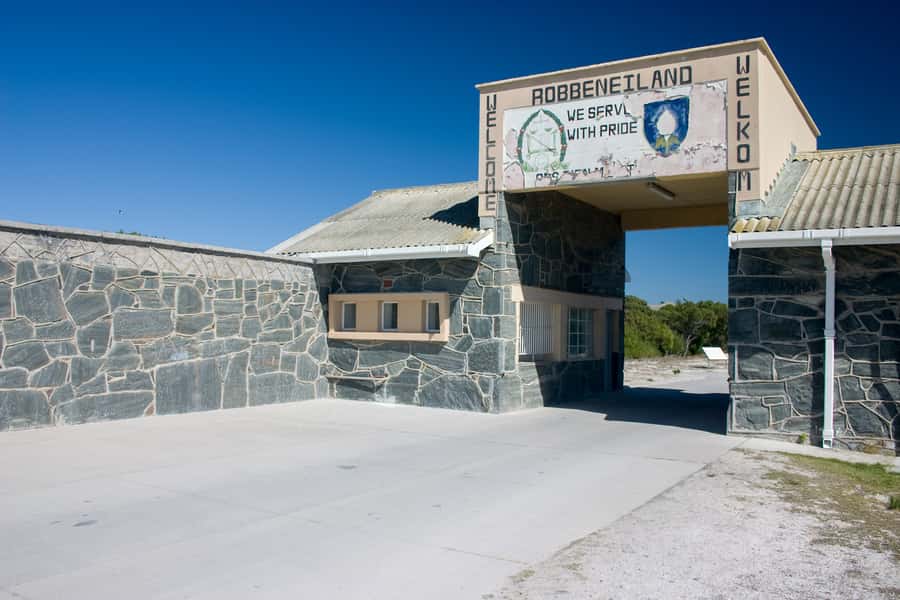
This tour is built around one big idea: apartheid wasn’t just laws on paper. It shaped housing, education, policing, and who belonged where. The day starts with the townships, using guided stops that connect the dots from apartheid-era rules to what you can still see today.
You’ll ride in a private, air-conditioned minivan with a driver/guide who sets the stage, then join more local guidance for the walk and community visits. After that, you shift gears to Robben Island, using your included ferry ticket from the V&A Waterfront. The format matters: you get both a neighborhood perspective and the prison perspective, which is why the day can feel emotionally heavy even when it’s well run.
If your Cape Town trip is mostly about views and restaurants, this might not be the right pace. If you want to understand South Africa beyond the headlines, you’re in the right place.
District Six drive-through: the scale of forced removals hits harder than photos
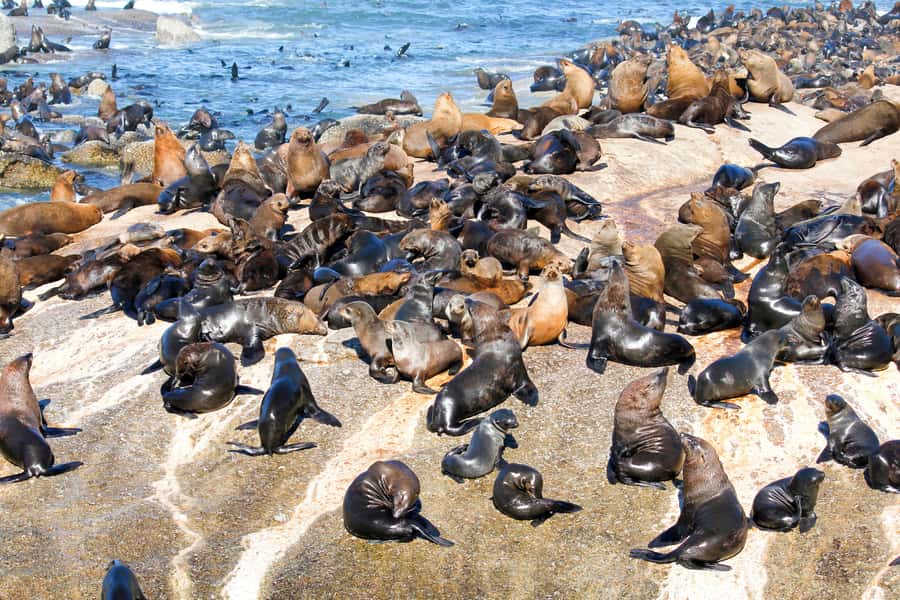
District Six sits in the middle of Cape Town’s memory, and you’ll feel that even from the road. The tour frames it as a neighborhood where around 60,000 inhabitants were forcibly removed in the 1970s by the apartheid regime. That number is big enough to be shocking, but the real impact is in what it implies: families were displaced on purpose, and community life was broken up.
Why this stop matters for you: it gives you a sense of how governments used geography as a tool. When you learn how and why people were removed, the rest of the day makes more sense. Langa isn’t just another township on a map. It’s part of the same system, with different labels and different policies layered on top.
This is also a practical moment. You’re early in the day, before you’ve spent hours walking and listening, so the District Six context helps you stay oriented for what comes next.
Langa walking tour and the Old Pass Office: history you can stand in
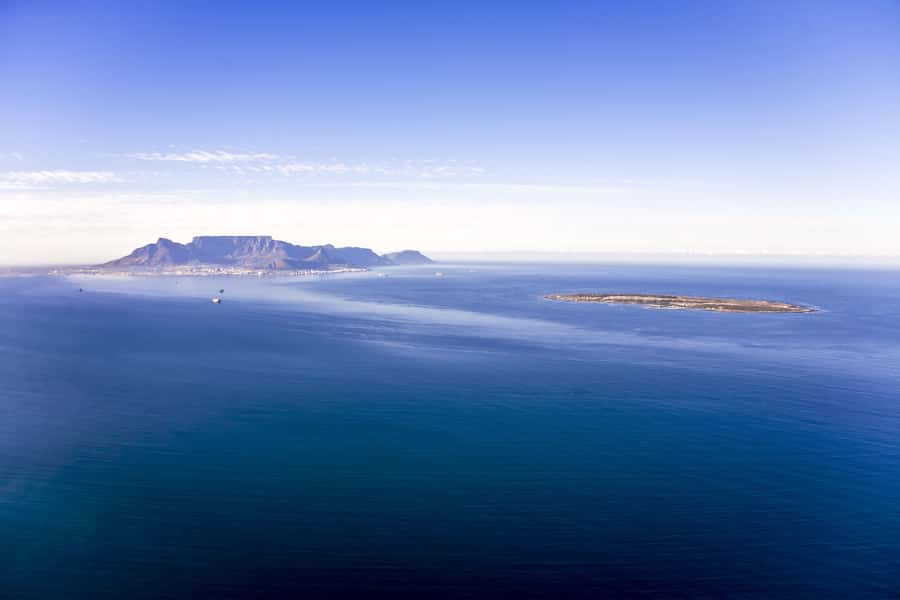
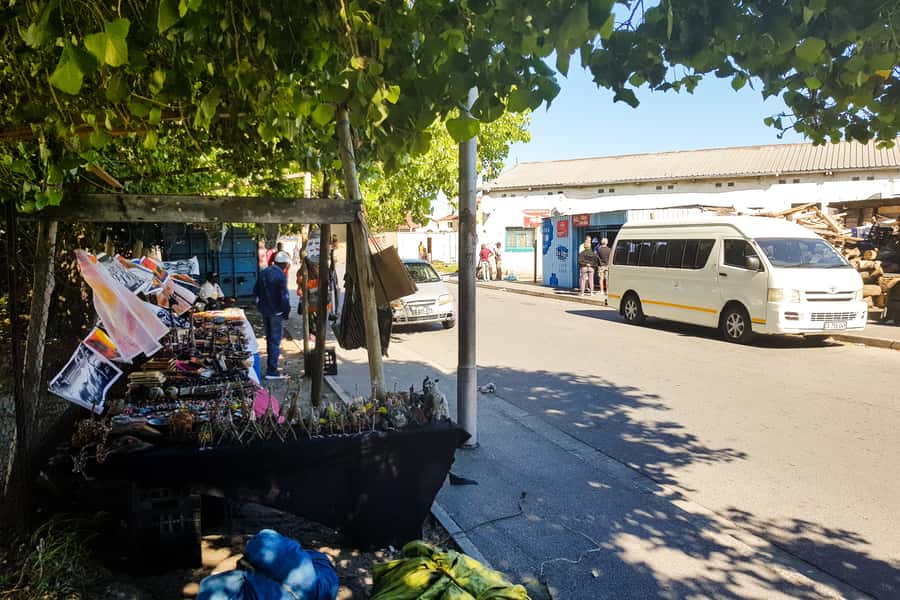
Langa is where the tour shifts from explanation to walking. You’ll get a guided route through the township with stops that anchor major themes, including the Old Pass Office and a monument to Robert Sobukwe. Those are not random sights. They connect to how movement and access were controlled under apartheid, especially through pass laws and policing.
During the walk, you’ll hear about life during apartheid at places like hostels and shacks. That phrasing matters because it’s about more than poverty. It’s about the deliberate construction of housing conditions meant to restrict opportunities and reinforce segregation.
What I like about this part is the balance between past and present. You’re shown the history, but you’re also encouraged to notice what’s changing and what isn’t. Multiple guides on this tour are from the areas they explain, and that tends to make the storytelling feel grounded in daily reality rather than just classroom history.
Practical note: this section includes a moderate amount of walking, so wear comfortable shoes. You don’t need hiking boots, but you do want something with solid grip.
Shebeen homemade beer and a traditional healer: community life beyond the political story
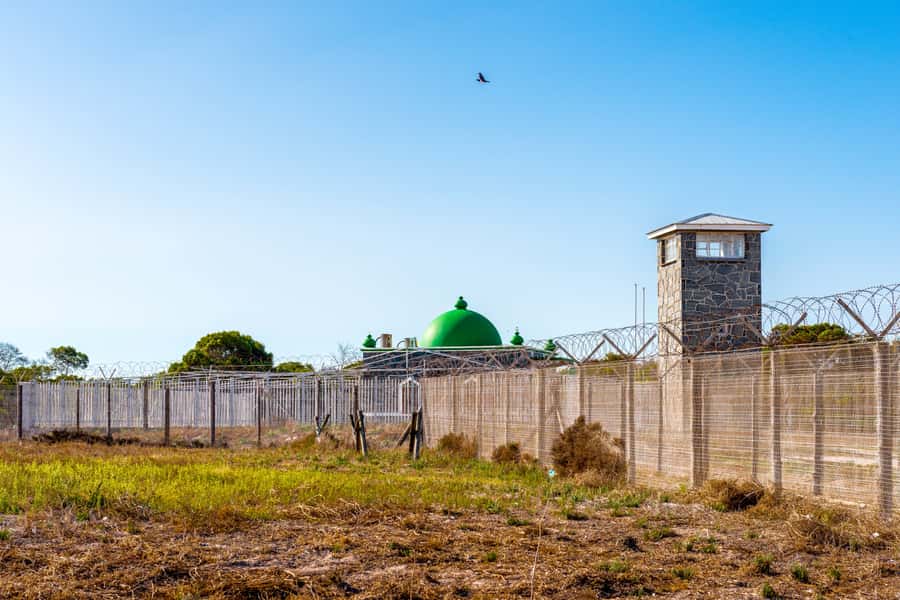
After the walking route, you’ll move into local cultural stops that help you understand what’s still alive inside these communities. One standout is a visit to a shebeen (a local pub), where you have the option to try homemade beer. It’s a reminder that people build social life even when systems are designed to crush it.
You’ll also have a chance to meet a traditional African healer. The tone here is important: it’s not presented as a side show. It’s part of how people understand health, spirituality, and community support.
Why this matters for you: apartheid policy aimed to control more than jobs. It aimed to control belonging and identity. When you see everyday practices like beer-making and healing traditions, you get a fuller picture of what survival looks like.
Also, keep an eye out for the tour’s built-in opportunity to support local businesses. There are stops tied to markets and shops, which means your money has a direct route into the community you’re learning about. Just go in knowing some purchases can be pricier than you expect, since you’re paying for local value.
Bonteheuwel and Gugulethu memorials: when the map shows the rules
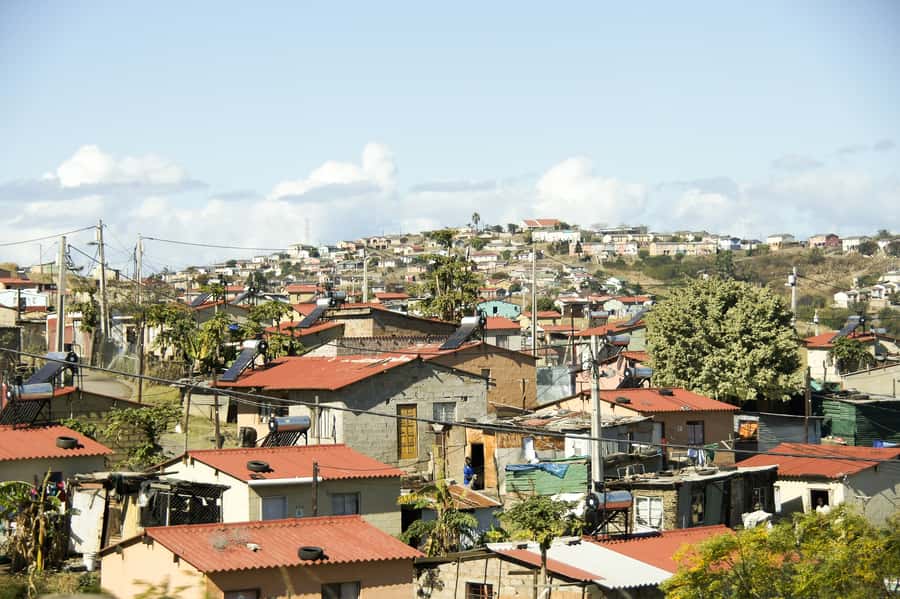
Bonteheuwel is where you get a driving pass-through that still lands emotionally. The tour explains that during apartheid it was reserved for the colored community, and that the division created long-term social effects. Even if you don’t step out of the vehicle here, the context changes how you look at the neighborhood. You start seeing the logic of separation, not just the outline of buildings.
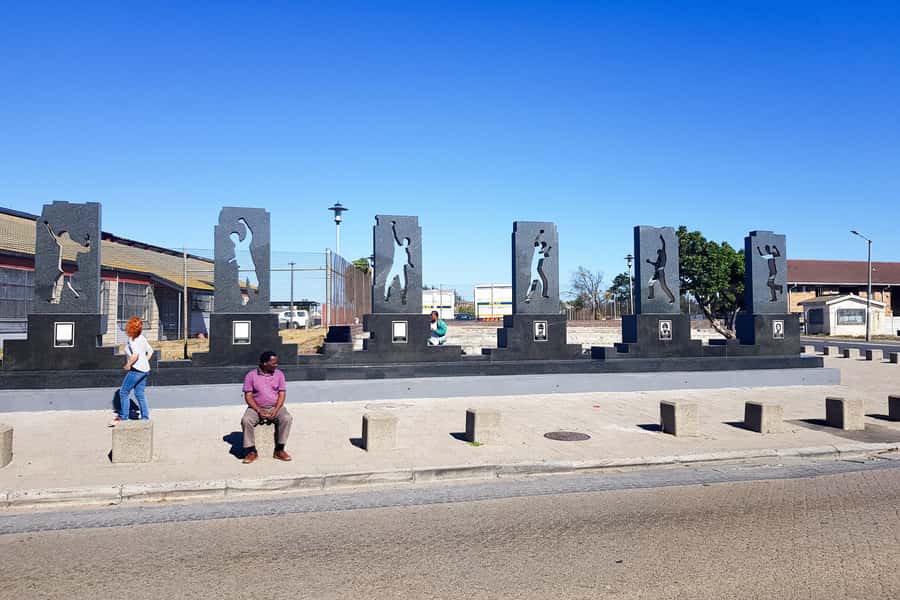
Then comes Gugulethu, and with it two memorials that put names and loss into sharp focus:
- the Gugulethu 7 Memorial, for members of an anti-apartheid group killed by the South African Police in 1986
- a memorial for Amy Biehl, an American student murdered by PAC supporters in 1993
These stops are powerful because they make the day specific. Instead of hearing about resistance in the abstract, you’re reminded of who paid the price. And once you’ve heard those stories, Robben Island doesn’t feel like a separate chapter. It feels like part of the same struggle over freedom.
V&A Waterfront to Robben Island: ferry ticket, timing, and the prison tour effect
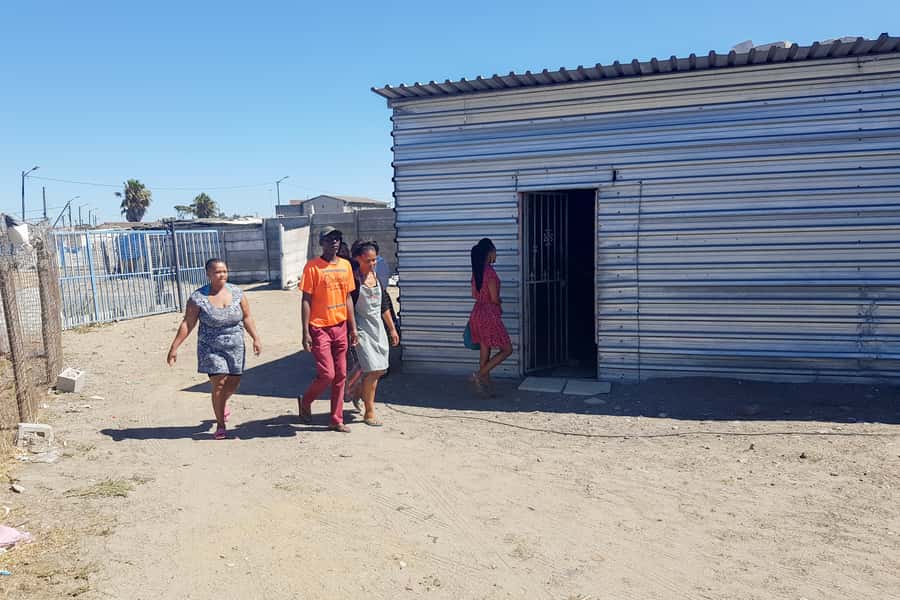
Your day shifts from township education to Robben Island through the V&A Waterfront. The tour drops you at the ferry gateway, and you use the included ferry ticket to get to the island.
A key thing to know: the Robben Island ticket is subject to availability and weather conditions. If the ferry cancels after the township portion, you’re given a chance to reschedule based on availability or receive a partial refund. This is one of those moments where you’ll be happier if you keep your schedule flexible.
On the island, you explore your way through the experience with the guidance structure in place. The most emotional element is the prison portion, where the talk is often led by a guide who has first-hand experience with the place. That changes everything. Historical facts sound different when you hear them from someone who lived the consequences.
Two practical tips from what you’re likely to run into:
- It can get windy, so bring a layer even in decent weather.
- Hearing can be tricky if groups are mixed in language or if you’re in a busier part of the tour, so try to position yourself where you can listen clearly.
Price and value of a $89 day: what you’re paying for besides transit
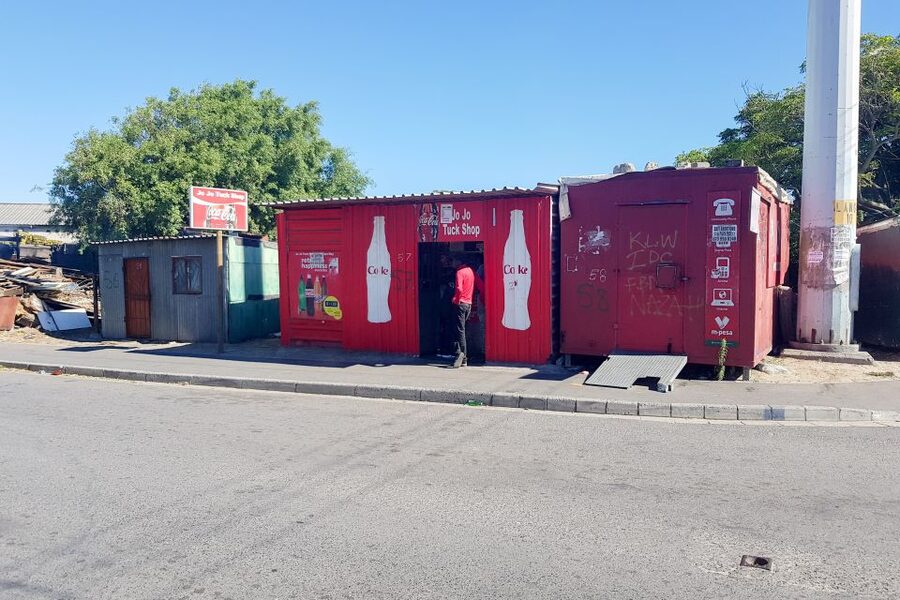
At $89 per person, the price is easier to justify when you look at what’s included. You’re not just buying a ferry ticket. You’re paying for:
- hotel pick-up
- private transport by air-conditioned minivan
- a driver/guide for the day’s structure
- the township touring and community visits
- the Robben Island ferry ticket
If you only compared ferry costs, this would look expensive. But the value here is the township half: District Six context, a Langa walking tour around key sites, shebeen and healer stops, and the memorial visits at Gugulethu. Plus, you’re given chances to support local businesses and markets during the day, which can feel like a more meaningful way to spend travel money.
Balanced reality check: the Robben Island side can feel time-pressured for some people, especially in the maximum security prison area. That doesn’t ruin the experience, but it does mean you shouldn’t expect a slow, calm museum pace.
Practical tips for a smoother day in Cape Town
Here’s how to set yourself up for success with this particular format:
- Bring a passport or ID card. A copy is accepted.
- Expect moderate walking, especially during the Langa portion.
- Wear comfortable shoes. You’ll want something you can keep moving in.
- Plan for the tour ending at the Robben Island ferry gateway. There’s no hotel drop-off, so you’ll handle getting back on your own.
- The tour runs in English.
- If your ferry is canceled due to weather, you’ll be offered options after the township tour, including rescheduling (based on availability) or a partial refund. Build a little slack into your return plans.
Also, it’s worth mentioning emotional pacing. Townships and memorials can bring up big feelings quickly. The guides do a good job of steering the day thoughtfully, but you should still go in ready to take the information seriously.
Who should book this Robben Island and townships combo?
This is a great choice if you:
- want to understand apartheid’s impact on housing, public life, and community structure
- like learning from people who can explain not just history, but what it meant day-to-day
- care about seeing Cape Town beyond the waterfront bubble
You might want a different option if you’re looking for a relaxing half-day sightseeing rhythm. This day includes walking, emotional topics, and a schedule that moves from neighborhood to island without much downtime.
If you’re traveling solo, this can also work well because you’re not left to figure out complex route changes on your own. The hotel pick-up and private van reduce stress, and the guided structure helps you get through the day with your head clear.
Should you book this Cape Town Robben Island and townships tour?

Yes, I’d book it if your priority is real context. District Six, Langa, Bonteheuwel, and the Gugulethu memorials make Robben Island feel less like a standalone tragedy and more like a connected part of the fight for freedom. Add in community stops like homemade beer and a traditional healer visit, and you get a day that explains apartheid while still showing lived culture.
Skip it only if you know you won’t handle emotional subject matter, or if you’re the type who needs tons of time inside the prison exhibits. In that case, the Robben Island portion can feel a little rushed.
Overall, this is strong value for a full day that connects Cape Town townships to Mandela’s prison in a way that sticks.
FAQ
What is included in the Cape Town: Robben Island Ferry Ticket and Townships Tour?
The tour includes a Robben Island ferry ticket, a driver/guide, hotel pick-up, and private transportation by air-conditioned minivan. Hotel drop-off is not included.
How do I confirm I can board with my documents?
You need a passport or ID card. A copy is accepted.
Is there walking involved?
Yes. There is a moderate amount of walking, including a walking tour in Langa.
Where does the tour end?
The tour ends at the Robben Island ferry gateway at the V&A Waterfront, where you make your own way back to your hotel afterward.
What if the Robben Island ferry is canceled because of weather?
The Robben Island ticket is subject to availability and weather conditions. If the ferry is canceled after the township tour, you can reschedule based on availability or receive a partial refund.
Is the tour offered in English?
Yes, the tour language is English.
Does it include time with local community stops in the townships?
Yes. The tour includes visits such as a shebeen (with the option to try homemade beer), a traditional healer, and a primary school.
What is the cancellation policy?
You can cancel up to 3 days in advance for a full refund.