REVIEW · CAPE TOWN
Cape Town: Robben Island Ferry Tour with 1-Way Hotel Pickup
Book on GetYourGuide →Operated by Sam's Cultural Tours · Bookable on GetYourGuide
Robben Island makes history physical. I like how this 5-hour outing pairs a ferry crossing with a prison visit you won’t forget, because you hear what Apartheid was like from people who lived it. I also especially like the hotel pickup and the chance to see the cell Nelson Mandela occupied.
The only catch is weather. The ferry can get delayed or canceled, which can affect how smoothly the island schedule feels once you’re there.
In This Review
- Key Points Before You Go
- Robben Island in One Day: Ferry Ride to a Prison Museum
- Hotel Pickup and the Nelson Mandela Gateway: How the Morning Flows
- 45 Minutes at Sea: What the Ferry Ride Really Feels Like
- Bus Tour of the Island: From Wildlife to Hard Truths
- Inside the Prison and Mandela’s Cell: The Part You Won’t Forget
- Why Ex-Prisoners as Guides Matter (and Who You Might Hear From)
- Price, Time, and Value vs Booking On Your Own
- Who This Small-Group Tour Is Best For
- Practical Tips: Tickets, Weather, and What to Bring
- Should You Book This Robben Island Tour?
- FAQ
- How long is the Robben Island ferry tour from Cape Town?
- Where is the hotel pickup available?
- What’s included in the price?
- What’s not included?
- Do I need a passport?
- Is the tour wheelchair accessible?
- What group size is this tour?
- What happens if the ferry is canceled due to weather?
- What language is the live guide?
- Do children need anything special?
Key Points Before You Go

- Former-prisoner storytelling: The prison tour includes firsthand accounts of life under Apartheid.
- Hotel pickup, not just directions: Pickup is included from central Cape Town areas, saving you a scramble before the ferry.
- Mandela’s cell is the main event: You’ll see the cell where he was held for 18 of his 27 prison years.
- You ride the island too: After landing, there’s an island bus tour before you go inside the prison.
- Plan for sea conditions: The crossing can be rough enough that seasickness is a real consideration.
Robben Island in One Day: Ferry Ride to a Prison Museum

This is one of those Cape Town experiences that turns headlines into something you can stand inside. You start with the ferry ride from the mainland, then the day shifts into a prison museum that explains how the Apartheid system worked—and what it did to real bodies and real days.
What makes this tour hit hard is the way the stories are framed. Instead of reading about oppression at a distance, you’re guided through the prison with the kinds of details that don’t feel like trivia. Even if you know Mandela’s name, the trip makes the machinery of the regime feel concrete.
The tour stays focused: ferry out, island tour, prison tour, then back to the Waterfront. In other words, it’s not trying to be a whole-day sightseeing spree.
Hotel Pickup and the Nelson Mandela Gateway: How the Morning Flows
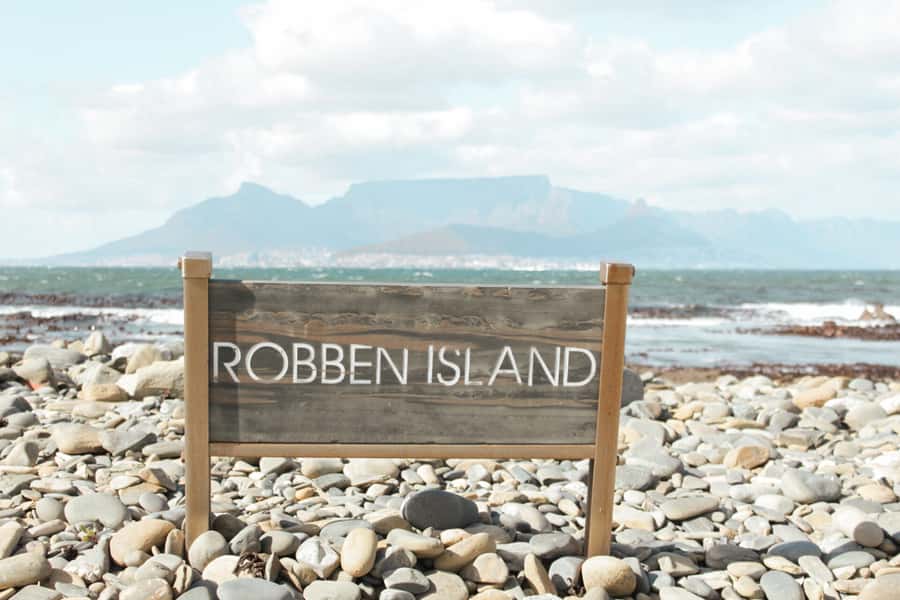
Pickup is included from central Cape Town hotels and accommodations. Depending on where you’re staying, you might be collected from areas like Camps Bay, Sea Point, Green Point, the CBD/Gardens/Tamboerskloof/Oranjezicht stretch, Woodstock, or the Waterfront zone.
This is the part I appreciate if you’re not traveling with a rental car. The meeting point is handled for you, and you arrive with less stress than showing up solo and trying to match ferry timing.
From there, the group heads to the Nelson Mandela Gateway. You pick up your Robben Island ticket, then you’re set up to walk to the ferry departure area. One practical note: if you’re staying outside the pickup area, you’ll need to make your own way to get the ticket inside the pickup zone.
45 Minutes at Sea: What the Ferry Ride Really Feels Like
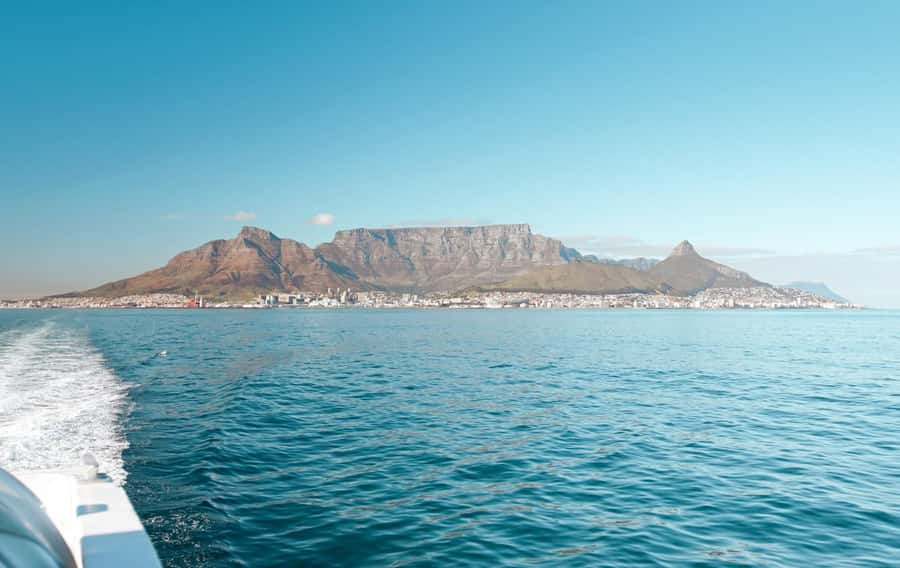
The ferry crossing takes about 45 minutes. That’s long enough to settle in, but short enough that you usually don’t feel trapped—unless the sea is rough.
A recurring theme is that the ride can be choppy, especially on the days when the Atlantic has ideas of its own. If you’re prone to motion sickness, treat the ferry like part of the plan, not an afterthought.
My advice is simple:
- Bring motion sickness tablets if that’s worked for you before.
- If possible, choose a spot that feels stable for you (and don’t crowd the most exposed areas).
- Pack a light layer. Wind at sea can make you feel colder than you expected.
Even when it’s bumpy, the ferry ride has its own payoff: it’s the transition from Cape Town’s streets to a place that carries South Africa’s modern history.
Bus Tour of the Island: From Wildlife to Hard Truths
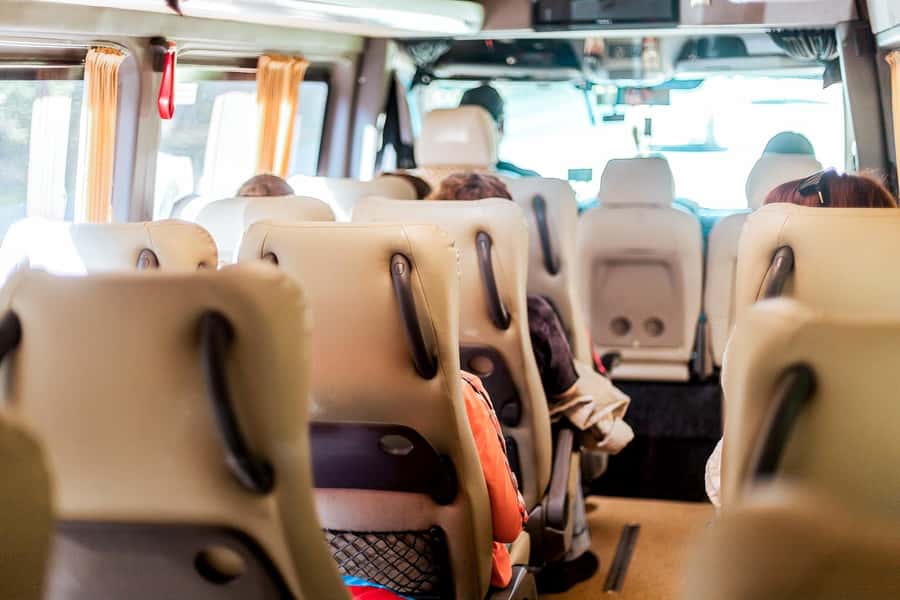
Once you land, you don’t go straight to the prison. You start with a bus tour around the island. This matters because it gives you a sense of scale before the walls get personal.
The bus portion helps connect dots: where prisoners lived, how the prison functioned as an isolated system, and why the island setting wasn’t just a backdrop. Some guides also point out the island’s nature side—there have been sightings of native tortoises during the island touring time.
You’ll feel the pacing here. This part isn’t designed to be a speed-run of facts. It’s more like a structured lead-in that sets the scene so the prison tour hits harder when you walk inside.
If you prefer a tight, no-wait schedule, keep expectations realistic. Time on Robben Island can include waiting and lining up, because the ferry system and prison tour flow both depend on operations.
Inside the Prison and Mandela’s Cell: The Part You Won’t Forget
The prison visit is the heart of the day. You’ll tour the prison grounds and see the cell connected to Nelson Mandela—the one he occupied for 18 of his 27 years in prison.
This isn’t just about seeing a famous room. The experience is built around how apartheid prisons worked: how prisoners were confined, what daily life looked like, and why the regime used punishment as a tool of control. The tour is described as moving for a reason—because the guide’s role is not to recite a script, but to explain what it meant to survive the system.
One of the standout values here is the guide format. You get insight from someone who can speak about the prison from lived experience, not just secondhand explanation. That firsthand framing can make the museum feel less like history class and more like witness testimony.
A practical timing note: if the ferry is late, it can push back everything after you arrive. In one case, the prison portion ended up rushed, which shows you how timing can swing the quality of the visit.
Why Ex-Prisoners as Guides Matter (and Who You Might Hear From)
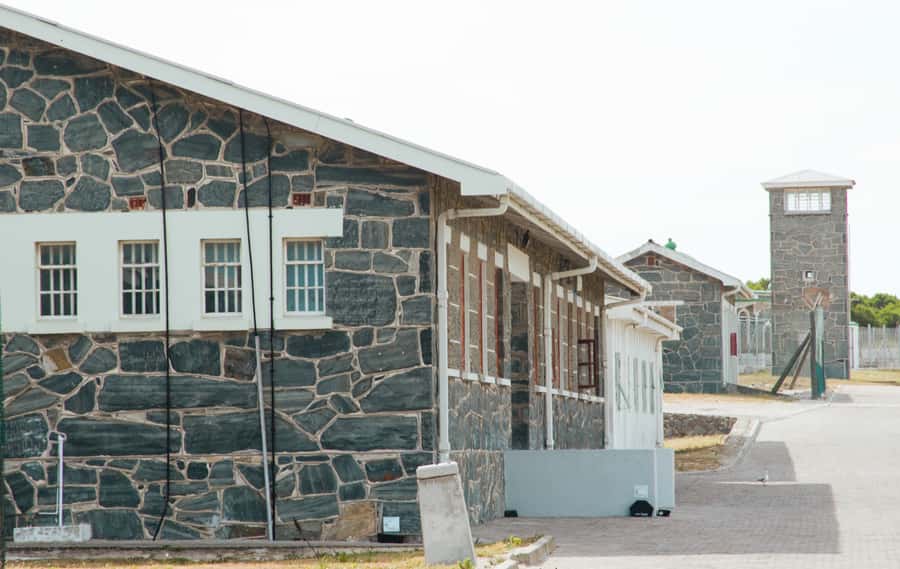
The tour’s emotional weight often comes from the guide background. On the day, you’re led by someone with a deep connection to Robben Island’s reality under apartheid—former prisoners in particular.
In the names you might encounter, examples include Tom, Sam, and Sipho. Exact guide assignments depend on the schedule, but the guiding principle is the same: you’re getting the prison explained by people who lived through the conditions.
That changes the tone. The prison becomes a place with specific routines and specific consequences, not just an exhibit. I find that especially important if you’re visiting with teens or older kids. It helps them understand why Mandela’s story wasn’t only political—it was personal, physical, and relentless.
Also, don’t expect the Mandela story to be the only focus. Even though Mandela’s cell is central, the tour content is built to explain broader prison life and the apartheid system, so the emphasis can tilt toward the prison experience overall.
Price, Time, and Value vs Booking On Your Own
At about $71 per person for a 5-hour outing, the price buys you more than a ferry seat. You’re paying for a bundle: hotel pickup, a live English guide, the ferry ticket, and both the island bus tour and prison tour.
That added value becomes clearer when you think about friction. Robben Island is not the kind of attraction you want to coordinate while also trying to solve transport timing on your own. Pickup reduces that risk, and the guide helps you make sense of what you’re seeing while you’re in the flow.
That said, it’s not the cheapest way to get there. Some people have found that buying the ferry ticket directly can be less expensive when tickets are available. One review even flagged that the tour option felt pricey because it didn’t add much extra beyond guided context and transport.
So how do you decide? I’d weigh two things:
- If you want the least stress and you like having a guide keep the day coherent, this package tends to feel worth it.
- If price is your top priority and you’re confident you’ll handle timing and ticket access on your own, you might compare options.
Either way, you’ll still be doing a mix of ferry travel plus a prison-focused visit. The “value” part is mainly the organization and guided framing.
Who This Small-Group Tour Is Best For
This tour runs as a small group, limited to 12 participants. That’s a real plus because Robben Island itself can include larger groups once you’re on the island. Keeping pickup small helps you start the day feeling organized, not herded.
This experience fits best if you:
- Want an organized day built around the prison, not a busy mix of unrelated stops.
- Appreciate direct storytelling from people connected to the history.
- Are comfortable with a structured itinerary that includes some waiting.
It also works well for families with older kids. There’s a note from a family with teenage daughters who found the experience engaging. Younger kids might find the topic heavy and the pacing a bit long, but that’s a personal choice.
Practical Tips: Tickets, Weather, and What to Bring
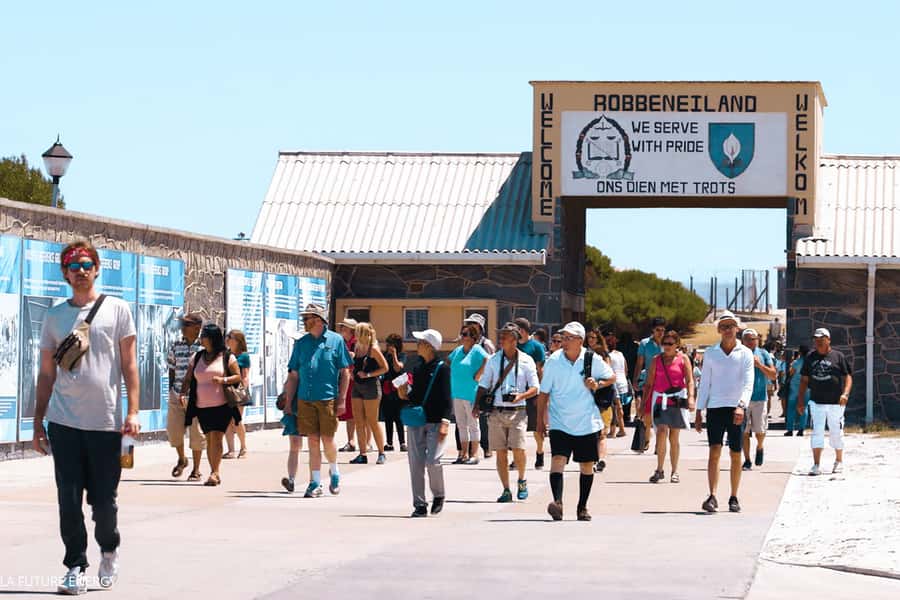
Keep your essentials simple. Bring a passport or ID card. If you’re traveling with children, they’ll need proof of date of birth.
Plan for weather sensitivity. The ferry is subject to sea and weather conditions, and cancellations can happen. If that occurs, you can reschedule at the Robben Island ticket counter based on availability, or request a refund through the booking channel you used. For rescheduled trips, you’ll handle your own way to the Waterfront.
On the day itself, expect English interpretation from the live guide. The tour content is structured, so there’s less room for wandering off on your own.
Food is not included, so plan your day around that. You’ll likely want to eat before you go or pick something up after you return to the Waterfront area.
And don’t forget the one “hidden” practical point: the day moves from bus to ferry to bus to prison walking. Wear comfortable shoes and plan for wind on the water.
Should You Book This Robben Island Tour?
Book it if you want a guided, organized route that reduces timing stress and gives you a prison visit framed by firsthand storytelling. If you’re short on time in Cape Town and want one history experience that’s direct and memorable, this is a strong pick.
Skip it or consider other options if:
- You’re very price-sensitive and know you can handle tickets and timing on your own.
- You get seasick easily and don’t want to deal with a potentially rough crossing.
- You’re traveling on a day where weather conditions are a big gamble for you.
If you’re on the fence, I’d say this: Robben Island isn’t an attraction you should rush. A tour like this helps the day stay coherent so you can focus on what matters once you’re inside the prison.
FAQ
How long is the Robben Island ferry tour from Cape Town?
The tour duration is 5 hours.
Where is the hotel pickup available?
Pickup is included from central Cape Town areas including Camps Bay, Sea Point, Green Point, City Centre (CBD, Gardens, Tamboerskloof, Oranjezicht), Woodstock, and the Waterfront.
What’s included in the price?
Included are hotel pickup in central Cape Town, accommodation in central Cape Town, a live English guide, the ferry ticket to Robben Island, plus the island and prison tour.
What’s not included?
Hotel and accommodation drop-off is not included, and food and lunch are not included.
Do I need a passport?
Yes—bring a passport or ID card.
Is the tour wheelchair accessible?
Yes, it is wheelchair accessible.
What group size is this tour?
It’s a small group limited to 12 participants.
What happens if the ferry is canceled due to weather?
If the ferry is canceled, you can reschedule directly at the Robben Island ticket counter (subject to availability) or apply for a refund through the booking channel.
What language is the live guide?
The live guide speaks English.
Do children need anything special?
Children require proof of date of birth.