REVIEW · CAPE TOWN
Nelson Mandela’s Robben Island Prison Museum Cape Town City Tour + Ferry Tickets
Book on Viator →Operated by Raw African Safaris · Bookable on Viator
Prison gates and city streets, all in one day. What I like most is the time-saving ferry + transport plan that keeps you moving without getting stuck in admin lines, and the way the day pairs Mandela’s story with Cape Town’s cultural neighborhoods. You’ll also get a small-group feel (up to 8 people), which matters when the day is long and emotionally intense.
One drawback to plan for: lunch and drinks aren’t included, and Robben Island is a serious, schedule-driven day. If you’re the type who needs lots of buffer time, this route may feel packed.
In This Review
- Key things to know (before you go)
- A tough day, built efficiently
- Getting to Robben Island: pickup, ferry, and less stress
- Robben Island Prison Museum: where Mandela’s years become real
- Bo-Kaap (Cape Malay Quarter): color with context
- Company’s Garden: Dutch-era Cape survival, in one park
- Castle of Good Hope: the oldest colonial fort on the radar
- District Six Museum: a neighborhood erased and remembered
- The guiding factor: what makes the day feel human
- Price and what you’re really buying
- Pacing and practical expectations for an 8-hour day
- So, should you book it?
- FAQ
- How long is the tour?
- What’s the start time and where does it begin?
- Is hotel pickup included?
- What does the price include?
- Is lunch included?
- What happens on Robben Island?
- How big is the group?
- What is the cancellation policy?
Key things to know (before you go)
- 8-hour loop that connects Robben Island with Bo-Kaap, Company’s Garden, the Castle of Good Hope, and District Six Museum
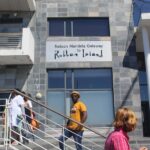
- Round-trip ferry transfers from the Nelson Mandela Gateway at the Clock Tower
- Robben Island tours led by people with lived experience, such as ex-prison warders or ex-prisoners
- Hotel pickup and drop-off, so you don’t waste the morning figuring out where to meet
- District Six Museum entry is included, helping you get in without extra ticket hassle
- Maximum of 8 travelers, which keeps the day manageable in packed city stops
A tough day, built efficiently
This is the kind of Cape Town day that makes sense if you’re short on time. You don’t just see landmarks from the outside—you get the full Robben Island experience, then you pivot to neighborhoods that explain how the city got shaped by apartheid-era policy.
The big win is logistics. You’re not bouncing around town trying to coordinate ferries and ticket counters. You’re routed from hotel pickup to the V&A Waterfront ferry area, then moved between dispersed sites by air-conditioned vehicle with bottled water included. For an 8-hour schedule, it’s unusually practical.
Also, this tour is priced as an all-in-one bundle: ferry tickets, museum entries, and transport are included. When you cost it out piece-by-piece on your own, you’re usually paying separately for boat passage, attraction admission, and a guide/driver plan that actually fits the day.
Getting to Robben Island: pickup, ferry, and less stress
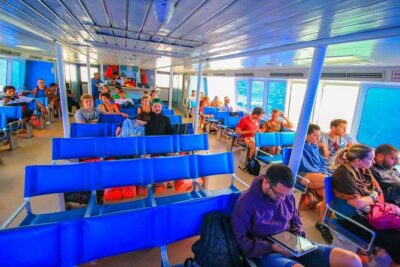
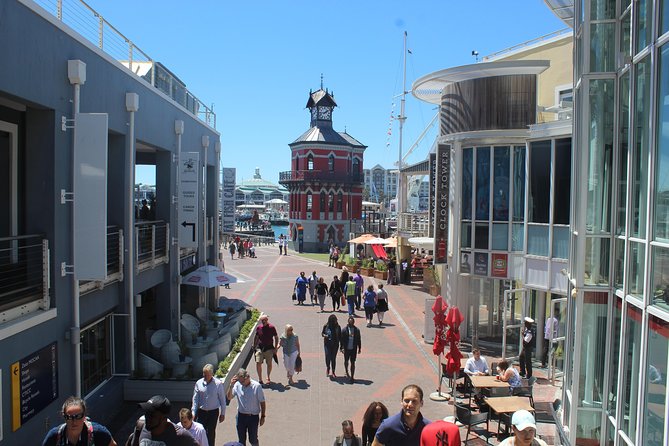
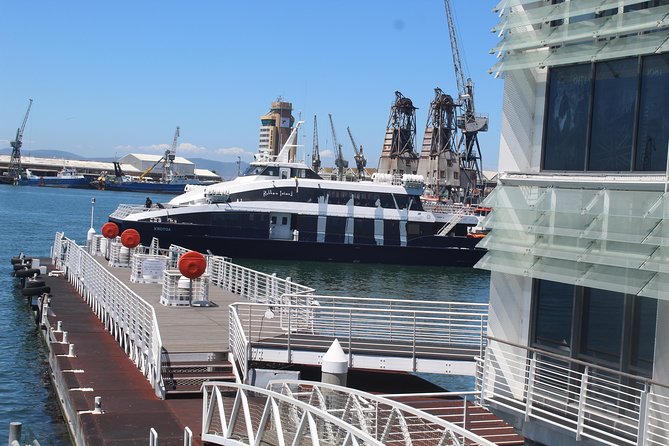
The day starts at 8:30 am, and the tour is set up around reaching the ferry smoothly. After pickup in Cape Town, you drive to the V&A Waterfront area and board the Robben Island ferry from the Nelson Mandela Gateway at the Clock Tower. That specific meeting/boarding point matters because it reduces guesswork.
Round-trip ferry tickets are included, so you’re not doing any last-minute ticket searching while the schedule moves on. On return, you’re back at the Waterfront and then transitioned to the next part of the day.
If you’re traveling solo or you hate wasting time on logistics, this is where the value shows. You’re paying for a plan that prevents small delays from turning into a wasted morning.
Robben Island Prison Museum: where Mandela’s years become real
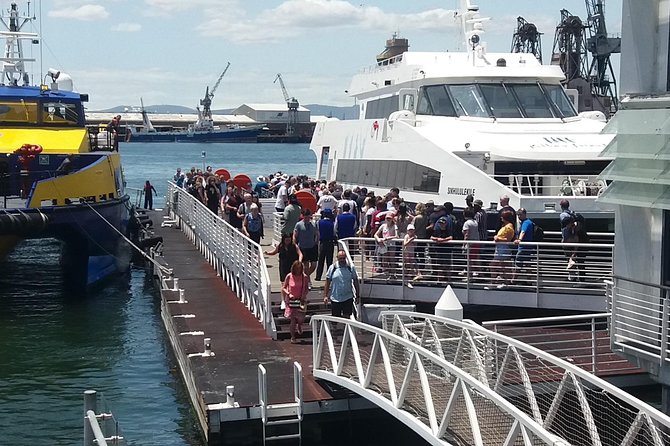
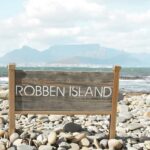
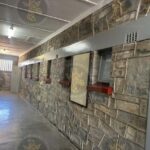
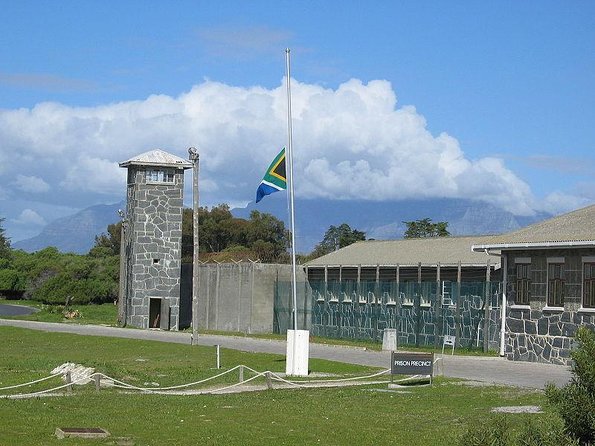
Robben Island isn’t a sightseeing stop—it’s a place that forces a reset. You’ll take the ferry to the island known worldwide as Nelson Mandela’s place of incarceration for 18 of his 27 years. The prison also served other purposes over time, including periods as a leper colony, and it’s described as a site of isolation, banishment, and imprisonment.
Here’s what makes the visit especially powerful: the tour inside the prison is conducted by people with direct connection to the island, such as ex-prison warders or ex-prisoners. That kind of guiding adds texture you won’t get from reading a sign. You’re hearing the story with details that land emotionally, not just facts.
Expect an emotional, informative museum experience. You’re given time for the island tour, then you return by ferry. You’ll likely want to go in mentally ready for heaviness. This is the day’s emotional anchor, and the rest of the itinerary works well because it helps you process what you see rather than treating it like a quick checkbox.
Practical note: the itinerary doesn’t include lunch, even though there’s a meal window built into the day. So plan for a meal purchase after you return from Robben Island.
Bo-Kaap (Cape Malay Quarter): color with context
After Robben Island, the tour shifts gears—still meaningful, just lighter in tone. You’ll visit Bo-Kaap, an area known for colorful houses and cobblestoned streets. It’s also the Cape Malay Quarter, and the neighborhood’s identity connects to early Muslim communities brought through slavery routes, with people imported from Malaysia, Indonesia, and other parts of Africa.
This stop is about more than photo spots. It’s a snapshot of Cape Town as a multicultural city, and it helps you understand that the apartheid story isn’t just about prisons and policies—it’s also about the lived communities that survived, adapted, and reshaped their neighborhoods.
The good part: this is a focused, time-limited stop (about an hour), so it doesn’t drag. The potential drawback: if you want to slow down for shopping, cafés, or deeper wandering, you may feel the time constraint. Use this hour to orient yourself and enjoy the streets, then plan extra time elsewhere if you love the area.
Company’s Garden: Dutch-era Cape survival, in one park
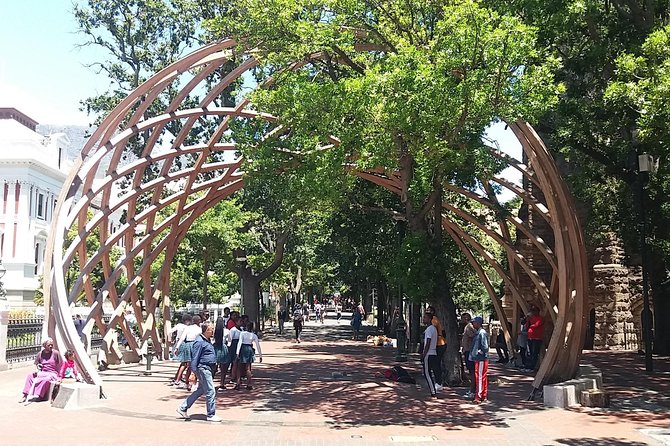
Then you land at Company’s Gardens, a central Cape Town heritage site. Created in the 1650s by the Dutch East India Company, it originally functioned as a practical refreshment station—growing produce and supporting ships around the tip of Africa after long voyages.
What I like about this stop is that it gives you a different kind of history: not only who ruled, but what kept the city functioning. You’ll see memorials, statues, and monuments, and the garden is framed as a historical resource rather than just greenery for strolling.
This is also a nice pacing break between the emotional museum stops. It’s only around an hour, so you get the overview without losing the rhythm of the day.
If you’re someone who dislikes moving quickly through outdoor stops, you might wish for longer. But as part of an 8-hour program, it works.
Castle of Good Hope: the oldest colonial fort on the radar
Next up is the Castle of Good Hope, a major Dutch-built structure in Cape Town constructed between 1666 and 1679. It’s widely known as the oldest standing colonial building in South Africa, and the tour framing puts it at the center of civilian, political, religious, and military life from about 1679.
You’ll also get museum elements connected to the castle, including the William Fehr Collection and a Castle military museum. This matters because you’re not just looking at walls—you’re connecting the building to how the Cape was governed and defended.
Even though it’s a relatively short stop, it’s a strong contrast after Robben Island and District Six. You’re seeing the infrastructure side of control and power, from forts and governance to people being moved and confined.
District Six Museum: a neighborhood erased and remembered
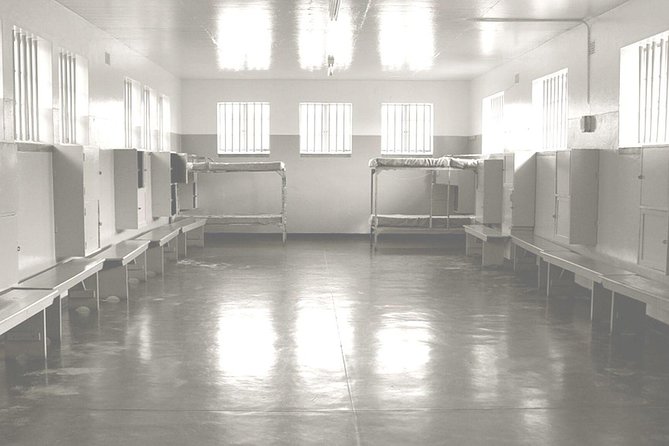
If Robben Island is about incarceration, District Six Museum is about forced removal. This museum is located in the former inner-city residential area of District Six and was established in 1994 as a memorial tied to the forced removals of about 60,000 multicultural inhabitants.
The tour experience at District Six is described as emotional and focused on the forced removals after apartheid-era decisions in the late 1960s. The museum is treated as a record of loss and a reminder of what policy does to real streets, real families, and real community ties.
This stop is included and timed at around an hour, which is exactly the right length for most people. You get enough time to take in the message without burning your whole afternoon.
If you’re sensitive to heavy topics, brace yourself here. The museum is meant to be felt, not just observed.
The guiding factor: what makes the day feel human
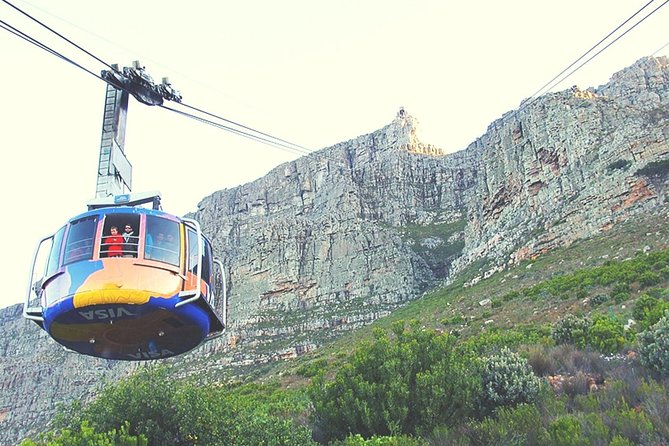
A city tour can turn into a bus ride with a checklist. This one has a better chance of feeling like a guided experience because Robben Island and District Six are both grounded in interpretation, not just architecture.
One name that pops up in feedback for this operator is Remmy—praised for being calm, organized, and responsive. In one story, there was a pickup mix-up at the start, and Remmy was described as quickly helping sort things out by phone and keeping the situation from spiraling. In other feedback, he’s credited with answering questions and making people feel safe and looked after before the day even started.
There’s also mention of a driver named Kuda in at least one itinerary-style account, which fits how smooth transport can make or break a long day.
You can’t control everything. But you can control your preparation: arrive early at the pickup point, keep your phone available, and double-check your start time so you’re not adding stress to an already serious day.
Price and what you’re really buying
The price is $171.49 per person for an ~8-hour outing. That sounds high until you look at what’s included:
- Round-trip Robben Island ferry tickets
- Admission to Robben Island Museum, District Six Museum, and the Castle of Good Hope
- Entry fee to a Diamond Museum
- Air-conditioned transport between stops
- Bottled water
- Hotel pickup and drop-off
When a tour includes transport plus ferry plus multiple admissions, you’re paying for structure. And that structure is the point. Robben Island alone is time-demanding; doing it “DIY” often means juggling ferry schedules, ticketing, and then trying to fit in multiple city stops without a driver plan that matches your pacing.
Also, the day’s average booking window is listed at 82 days in advance, which hints that this is a popular combination. If you plan to do it, I’d book sooner rather than later so you can lock in the slot you want.
What you’ll pay extra for: lunch and drinks. Budget for a meal after Robben Island and keep water handy if you’re the type who drinks a lot on museum days. Bottled water is provided, but it’s still a long day.
Pacing and practical expectations for an 8-hour day
The itinerary is built like this: a long Robben Island segment, then a series of about an hour each for the remaining stops. That totals roughly 8 hours, not including the natural travel between dispersed city areas.
Two practical takeaways:
- You’ll want comfortable shoes. District Six and Bo-Kaap involve walking on uneven surfaces.
- You should plan your energy. Robben Island is emotionally demanding, and District Six continues that theme.
The tour cap of 8 travelers also matters. In a small group, you tend to move more smoothly through museums and get more interaction with your guide. It’s not guaranteed personal time, but it improves the odds.
If you’re visiting Cape Town with limited time, this is a strong option. If you’re a slow traveler who wants deep neighborhood time, you might prefer splitting this into separate days (Robben Island one day, city museums another).
So, should you book it?
I’d recommend booking this if you:
- Want Robben Island and multiple major Cape Town landmarks in one day
- Appreciate hotel pickup/drop-off and a plan that handles the ferry
- Prefer a schedule that includes museum entry so you don’t spend your day in lines
I’d hesitate if you:
- Need lunch included or have strict dietary needs that require specific meal stops (since lunch and drinks aren’t included)
- Get overwhelmed by emotionally heavy museum content packed into a single afternoon stretch
If you’re doing Cape Town for the first time and you want the day to feel organized and meaningful, this tour is an efficient way to connect Mandela’s story to the city you’re standing in.
FAQ
How long is the tour?
It runs for about 8 hours.
What’s the start time and where does it begin?
The activity starts at 8:30 am at the Silo Hotel area on Silo Square at the V&A Waterfront. The tour ends back at the meeting point.
Is hotel pickup included?
Yes. Hotel pickup and drop-off are included.
What does the price include?
Return ferry tickets to Robben Island, entry fees for District Six Museum and the Castle of Good Hope, air-conditioned transport, bottled water, and the entry fee to a Diamond Museum are all included.
Is lunch included?
No. Lunch and drinks are not included.
What happens on Robben Island?
You take the ferry to Robben Island and join a guided museum visit. The tour is conducted either by ex-prison warders or ex-prisoners.
How big is the group?
The maximum group size is listed as 8 travelers.
What is the cancellation policy?
You can cancel up to 24 hours before the experience for a full refund. If it’s canceled due to poor weather, you’ll be offered a different date or a full refund.