REVIEW · CAPE TOWN
Cape Town: Robben Island Ferry and Guided Tour
Book on GetYourGuide →Operated by Oasis Inclusive Centre Travel and Tours · Bookable on GetYourGuide
Freedom lessons float on the Atlantic. This Robben Island visit connects the anti-apartheid struggle to real, human stories, guided by someone who lived parts of that history and brought you to Nelson Mandela’s prison cell. Add a scenic ferry from the V&A Waterfront and you get more than sightseeing; you get a guided lesson with specific places, not just general background.
I especially like the way the tour moves from landmark to landmark, including the prison yard and the limestone quarry where prisoners worked. The guide approach is the big win: you’re not stuck listening to a script; you’re hearing how conditions felt from the person doing the explaining. Bonus for your camera roll: Robben Island can also deliver penguins, seals, and birds, which creates an eerie contrast between nature and confinement.
One thing to plan for: the experience depends on ferry operations and weather, and there have been cases where Robben Island closures disrupted trips or caused last-minute changes. If you have tight schedule pressure, I’d build in buffer time and keep your day flexible.
In This Review
- Key things worth knowing before you go
- Clock Tower meeting point: start where Cape Town’s old harbor story begins
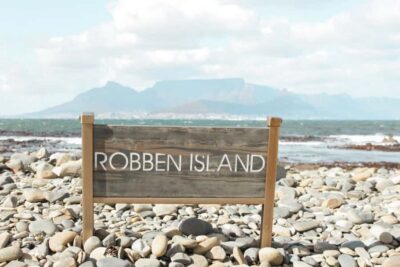
- Ferry from the V&A Waterfront: Atlantic views with Table Mountain overhead
- Guided Robben Island tour: what a former political prisoner adds
- Mandela’s cell plus the prison yard and quarry: the places you won’t forget
- Wildlife on Robben Island: seals and birds in the same frame as history
- Timing and pacing: how to plan your day around ferry and guided time
- Price and value: what $109 buys you (and what might go wrong)
- Who this tour is best for
- Should you book this Robben Island ferry and guided tour?
- FAQ
- Where does the tour start?
- How do you get to Robben Island?
- What languages are available for the guide?
- What stops are included on the island?
- How long does the island guided portion last?
- What should I bring?
- Is the tour wheelchair accessible?
- What can affect whether the ferry runs?
Key things worth knowing before you go
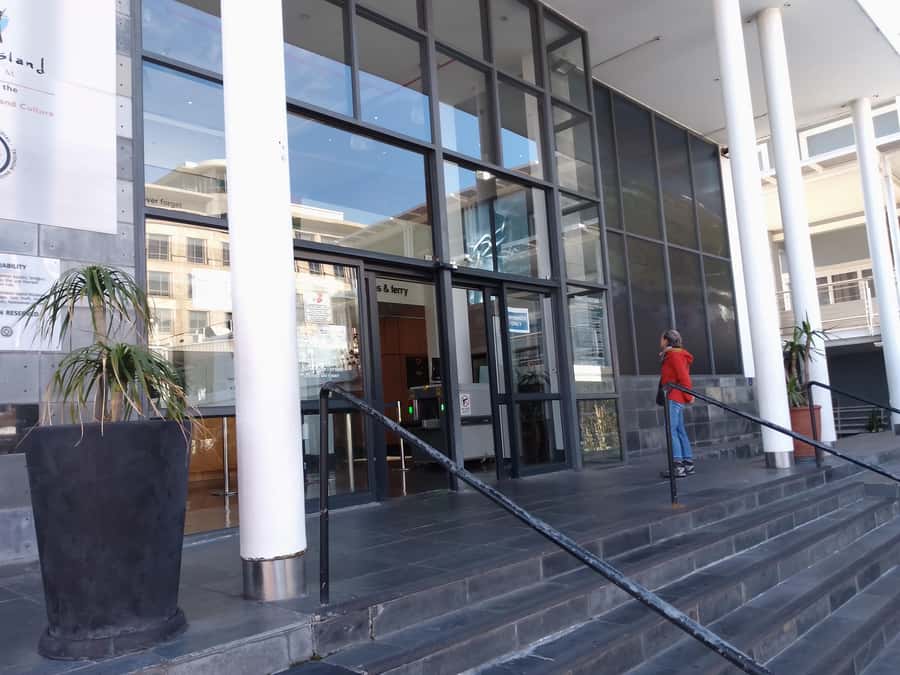
- A guide who’s often a former political prisoner gives you the story in plain, personal terms
- Mandela’s small cell is the emotional focal point of the visit
- You’ll see multiple prison landmarks, not just one stop photo
- The V&A Waterfront ferry ride sets the tone with Table Mountain and Atlantic views
- Wildlife sightings are part of the day, including penguins, seals, and birds
- Weather affects whether the ferry runs, so don’t treat it like a guaranteed fixed appointment
Clock Tower meeting point: start where Cape Town’s old harbor story begins
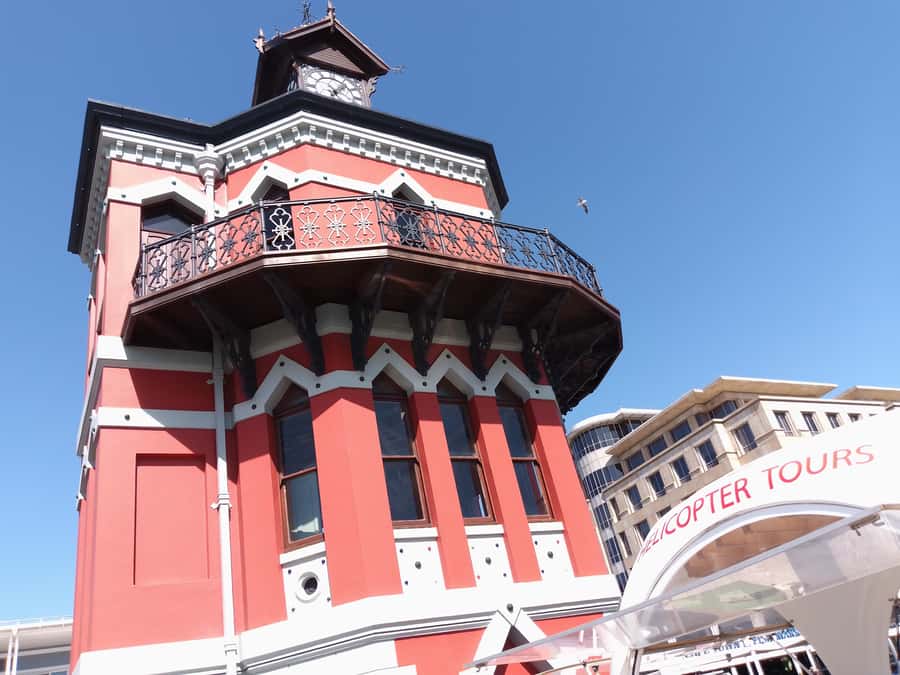
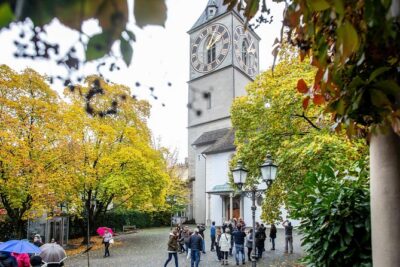
Your tour kicks off at the Clock Tower Retail Centre, a Victorian Gothic structure tied to Cape Town’s old harbor life. It was originally the Port Captain’s Office built in 1882, and the red walls are matched to the original color from the 1800s. There’s also a clock imported from Edinburgh, which is the kind of detail that makes you realize you’re starting in a place built for navigation and movement.
This matters because the whole day has a travel rhythm. You’re going from harbor to island, then back again, and this is one of those tours where getting the logistics right helps you absorb what’s coming next. Wear shoes you can walk in comfortably, because once you’re on the island you’ll want stable footing for uneven ground and outdoor walking.
If you’re prone to leaving everything to the last minute, give yourself a little extra time to find the meeting spot and settle in before you’re herded toward the next step.
Ferry from the V&A Waterfront: Atlantic views with Table Mountain overhead
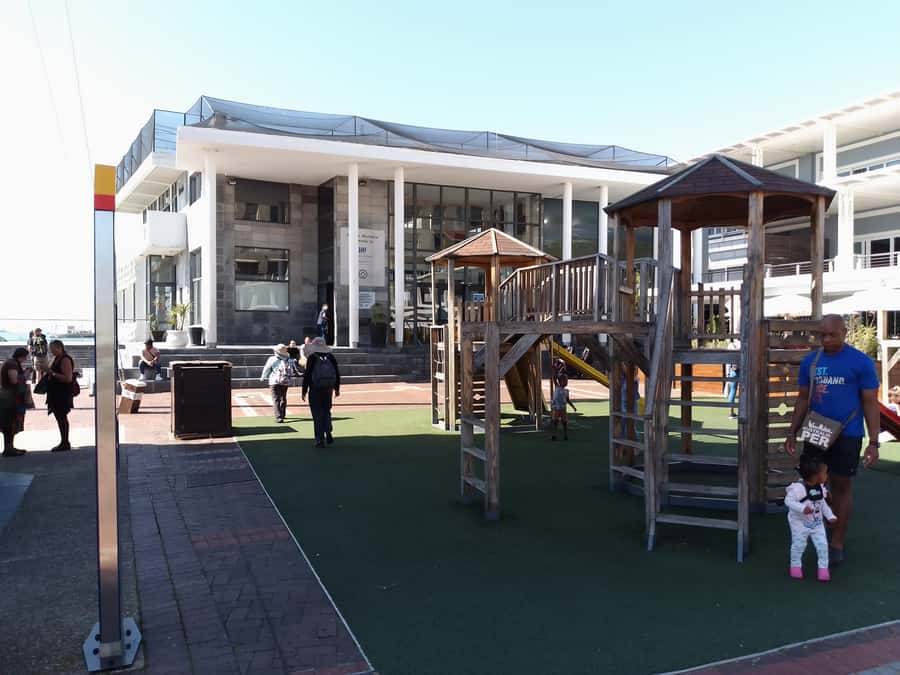
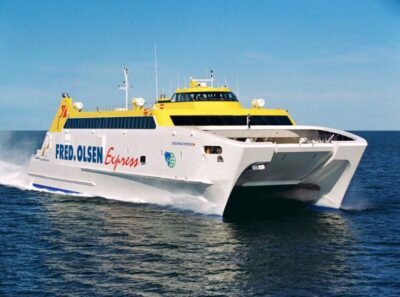
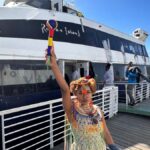
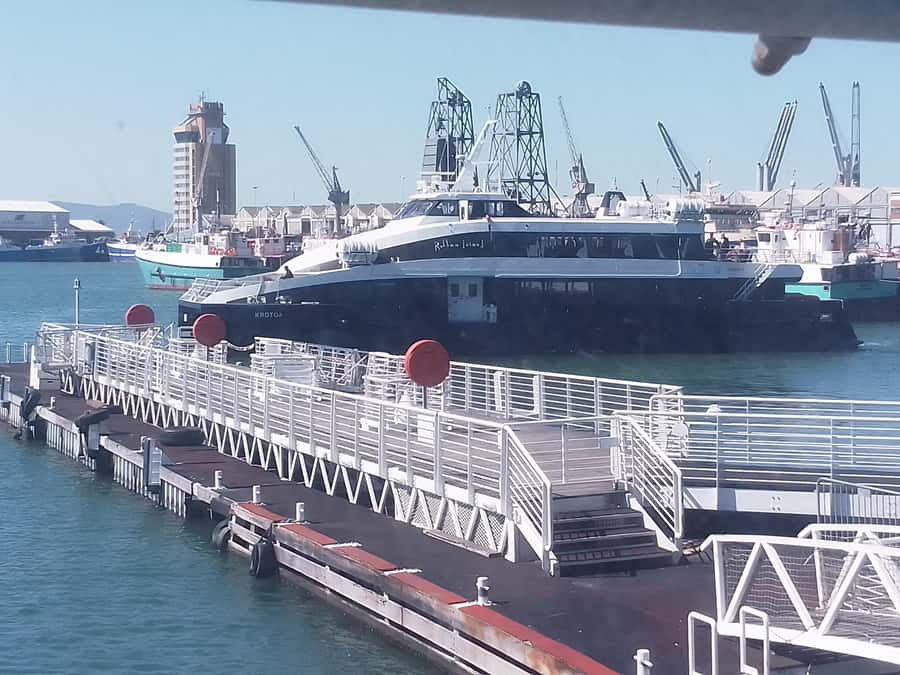
You’ll take a scenic ferry from the V&A Waterfront to Robben Island, about 30 minutes on the water. The route typically gives you big-window views over Table Mountain and the Atlantic coastline as you approach the island.
Even if you think you already know what Cape Town looks like, that ferry angle does something. It puts the city’s scale and coastline into perspective, and it makes the island feel separate—like you’re crossing into a different chapter of the same country.
Practical tip: bring sunscreen and a hat. Even on cooler days, ferry wind doesn’t stop sunburn. And yes, bring your camera, because the lighting from the water can be surprisingly good.
Guided Robben Island tour: what a former political prisoner adds
Once you arrive, you join a live English guided tour, led by someone who is often a former political prisoner. If you request it in advance, a French translator may be available for an additional cost.
This kind of guide role changes the feel of the day. You’re not just collecting dates. You’re being shown how places worked—where people waited, worked, and endured—while the explanation stays grounded in lived experience. You’ll notice how the guide connects physical space to human behavior: what guards controlled, what prisoners were denied, and what survival took.
You should also expect a teaching style that stays honest and direct. In past trips, guides have included people incarcerated in the 1970s, so the storytelling can carry a very specific personal timeline rather than just a broad overview.
Also, the tour visits multiple landmarks, so you’ll be walking the story forward instead of hopping on and off for one quick stop.
Mandela’s cell plus the prison yard and quarry: the places you won’t forget
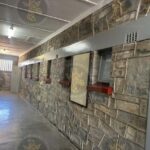
The most poignant stop is Nelson Mandela’s prison cell, a small room where he spent 18 of his 27 years incarcerated. Standing there is one thing. Understanding it—why it mattered, what it symbolized, and how it fit into the wider anti-apartheid fight—is the real impact.
But the visit isn’t only about one famous name. You’ll also see other key sites that help explain how the prison system functioned, including:
- the prison yard, where daily routines and restrictions played out
- the limestone quarry, where prisoners worked
- other landmarks that map the bigger story of apartheid and eventual liberation
For your brain, this structure is helpful. Instead of treating apartheid as an abstract “past,” you see it as systems built out of rooms, labor, schedules, and control. That’s why the Mandela cell hits so hard: it’s both a personal story and a piece of a larger mechanism.
One consideration: this is emotional territory. If you’re someone who gets overwhelmed in heavy-history settings, plan to pace yourself, take a breath when you need to, and don’t force constant photo-taking right at the emotional stops.
Wildlife on Robben Island: seals and birds in the same frame as history
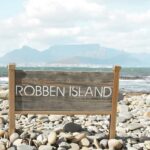
Robben Island isn’t only about prisons. The island is also a wildlife location, so you may spot penguins, seals, and various bird species during your visit.
This can feel strange at first, like watching nature continue while people’s suffering gets explained nearby. But it’s also part of what makes the day more realistic. The island isn’t a museum room; it’s a living ecosystem shaped by ocean, weather, and habitat.
If wildlife matters to you, bring the small comforts that help you enjoy the moment: binoculars if you have them, or at least be ready for quick camera shots when animals appear.
And if you’re not a wildlife person? The main takeaway still counts: the tour gives you a sense of place beyond the prison buildings.
Timing and pacing: how to plan your day around ferry and guided time
The ferry portion is about 30 minutes, and the island part includes a guided tour lasting around 3 hours. That means you should plan for a half-day style commitment rather than a quick walk-through.
In a place like this, pacing matters. Too much rushing makes the story harder to absorb. Too much loitering can cut into the guided portion that connects all the stops.
So I’d plan your day with the expectation that you’ll be outside for a meaningful chunk of time. That means:
- comfortable shoes
- hat and sunscreen
- your passport or ID card (a copy may be accepted, but bring the real thing too if you can)
- camera ready when lighting and wildlife line up
If you’re visiting Cape Town alongside other attractions, avoid cramming this right before or right after something you can’t reschedule.
Price and value: what $109 buys you (and what might go wrong)
At $109 per person, you’re paying for three big ingredients: the ferry ride, the guided interpretation, and access to the prison landmarks including Mandela’s cell. In other words, you’re not just buying transport—you’re buying context.
The value is strongest when the guide is particularly engaging and speaks from real experience. Even when the group moves at a similar pace as other tours, the narrative can still feel alive because the guide can focus on what mattered most to them personally.
Now for the balancing reality: operation depends on conditions. Weather can affect ferry service, and there have been cases where Robben Island closures interfered with trips. On top of that, one traveler reported a cancellation with a proposed refund that wasn’t processed immediately.
What you can do with that info:
- Keep your schedule flexible if possible.
- If you’re traveling from far away or on a tight itinerary, consider building in a backup day in Cape Town.
- If you’re the type who hates uncertainty, check the day-of situation through your booking channel before you commit other plans nearby.
Who this tour is best for
This is a strong fit if you want your history firsthand—place-based learning with a guide who can explain the anti-apartheid struggle through the lived experience of incarceration. It’s also a great choice if you like guided structure: the day moves from ferry ride to specific prison landmarks, so you aren’t left guessing what you’re looking at.
It’s also a good option if you care about wildlife. You’ll likely see penguins, seals, and birds while you’re there, which adds variety to the pacing.
If you’re looking for a purely relaxed sightseeing day with minimal emotional weight, this may feel like too much. The sites are powerful, and the tour’s tone tends to be serious.
Should you book this Robben Island ferry and guided tour?
Yes, if you’re ready for a meaningful, guided history visit and you value the added depth of a former political prisoner telling the story in context, not just in facts. The combination of ferry views, the Mandela cell stop, and the prison-yard-and-quarry route is the kind of package that stays with you.
But book with practical eyes. The operation is weather-dependent, and some trips have been impacted by closures. If you have only one day in Cape Town with no flexibility, I’d treat this as the “important plan” and protect it from other commitments. If you can add buffer time, your odds of a smooth, on-time experience go up—and you’ll enjoy the day more because you won’t be racing the clock.
FAQ
Where does the tour start?
The meeting point is the Clock Tower Retail Centre (Clock Tower), in Cape Town.
How do you get to Robben Island?
You take a scenic ferry ride from the V&A Waterfront to Robben Island.
What languages are available for the guide?
The guided tour is available in English. French translation may be available on advance request for an additional cost.
What stops are included on the island?
You’ll visit Nelson Mandela’s prison cell, plus other key historical sites such as the prison yard and the limestone quarry.
How long does the island guided portion last?
The Robben Island guided tour is listed as about 3 hours.
What should I bring?
Bring a passport or ID card (a copy may be accepted), comfortable shoes, a hat, a camera, and sunscreen.
Is the tour wheelchair accessible?
Yes, it is listed as wheelchair accessible.
What can affect whether the ferry runs?
The ferry operates when weather permits, so conditions can affect the tour.