REVIEW · DARWIN
Tiwi Islands Cultural Experience from Darwin Including Ferry
Book on Viator →Operated by AAT Kings · Bookable on Viator
One ferry later, you get real Tiwi culture. This full-day trip from Darwin to Bathurst Island brings you face-to-face with Tiwi stories through local guides and the Tiwi Museum. I love the community-led tone of the day, and I like that the museum gives you context before the hands-on cultural moments. The main consideration is timing: the Arafura Sea crossing is a long chunk of the day, so plan for a slower start.
You cruise from Cullen Bay and then step into Wurrumiyanga, a modern Tiwi community where stories are explained in person, not on a screen. With a small group (up to 20), the day stays conversational—good for questions, not just sightseeing.
On Bathurst Island, the cultural program centers on a smoking ceremony, hand weaving, and painting, plus time at the museum and Early Mission Precinct. Depending on the team running your day, you might hear from guides in the orbit of people such as Trevor or Cedric, with Tiwi presenters like Roma, Romy, Fred, or Steel.
In This Review
- Key things to know before you go
- From Cullen Bay to Bathurst Island: how the ferry sets the pace
- Wurrumiyanga welcome: what modern Tiwi community time feels like
- Tiwi Museum and the Early Mission Precinct: the context that makes the rest make sense
- Smoking ceremony, hand weaving, and painting: learning through participation
- Food and timing: billy tea, damper, and lunch around 1pm
- Price and value at $333.52: what you’re really paying for
- Should you book Tiwi Islands Cultural Experience with ferry from Darwin?
- FAQ
- What’s the duration of the Tiwi Islands Cultural Experience?
- Where do I meet the tour?
- Does the price include the ferry crossing?
- What time does the tour return to Darwin?
- What meals are included?
- What cultural activities are part of the day?
- What’s included in terms of transport on the island?
- Is there a limit on group size?
- What if the weather is bad?
Key things to know before you go
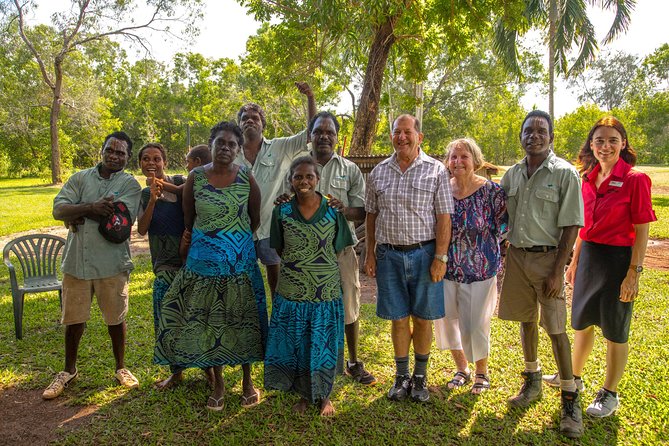
- Long ferry crossing: expect a couple of hours over the Arafura Sea, and build in patience for the day’s rhythm.
- Tiwi Museum + Early Mission Precinct: you get grounding in Tiwi dreamtime storytelling and early mission history before activities.
- Community-led cultural activities: smoking ceremony, hand weaving, and painting are the core experiences.
- Food is planned in: billy tea and damper for morning tea plus lunch are included, but timing can feel tight.
- Meet at Cullen Bay Ferry Terminal: no hotel pickup, so you’ll want an easy taxi/ride plan.
- Small group size: the max of 20 helps you feel included rather than shuffled along.
From Cullen Bay to Bathurst Island: how the ferry sets the pace
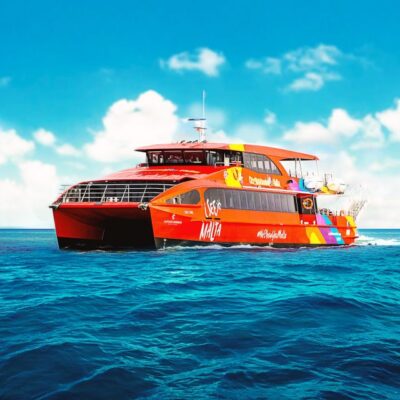
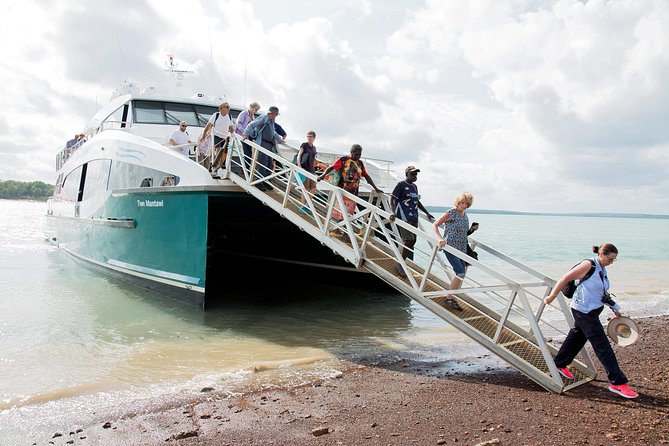
This trip starts at Cullen Bay Ferry Terminal in Larrakeyah, about a short drive from Darwin’s CBD. The early start (7:30am) is there for one reason: the ferry ride. You’ll take the Tiwi Mantawi on a cruise over to Bathurst Island, and it’s not a quick hop. Plan for a crossing that runs a bit over two hours, plus the usual “travel-day” slowdown when boats, weather, and boarding all have their own schedule.
That means your brain should switch from tourist mode to “day on island time.” Bring what helps you feel human: water, something light to snack on, and anything that makes waiting more comfortable. Some people also find they need to keep an ear out—boats and groups can mean it’s easier to miss bits of conversation if you’re not paying attention.
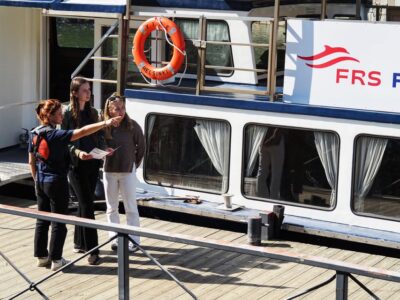
One useful practical detail: you’ll check in at the Sealink ticket booth on the upper platform with your itinerary copy marked off before you receive your ticket. It’s a simple step, but it’s worth doing smoothly so you’re not sprinting at the start of the day.
The good news? By the time you land, the day moves into a slower, more meaningful cadence.
Wurrumiyanga welcome: what modern Tiwi community time feels like
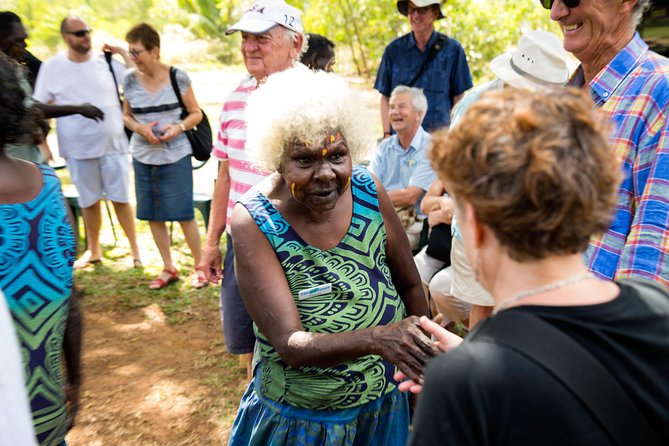
Once you arrive, you’re met by your local guide and taken into Wurrumiyanga—the place where Tiwi life is lived, not staged. This is one of the most valuable parts of the experience. Instead of learning about culture as a topic, you learn it as a set of everyday practices and relationships.
The tone here tends to be practical and people-first. You’re not just watching from the outside. You’ll hear about traditions and daily life through direct explanation, and you’ll get chances to ask questions as the group moves through the day. The small group size (max 20) helps, because you’re less likely to feel like you’re being moved along on a conveyor belt.
A “progressive, modern day” community setting also matters. It avoids the common trap of treating Indigenous culture as something frozen in time. You’re seeing how Tiwi identity stays strong while life evolves.
If you’re the type who likes to understand context—who asks why ceremonies exist and how they fit into community structure—this part will click for you.
Tiwi Museum and the Early Mission Precinct: the context that makes the rest make sense
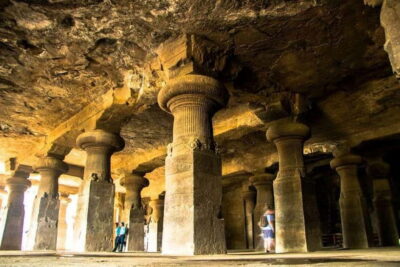
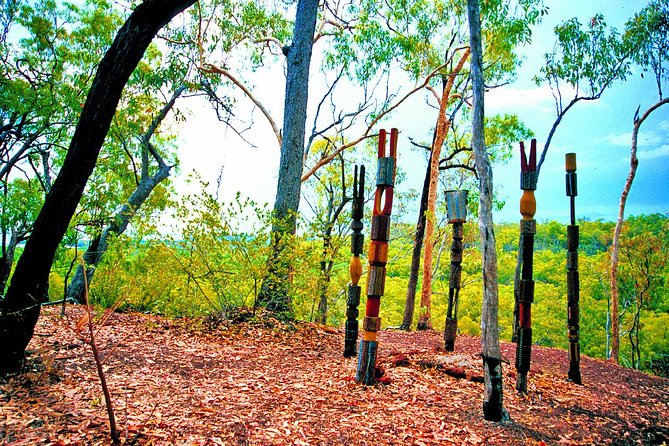
The day includes a visit to the Tiwi Museum, and it’s not just a walk-through. You’ll see displays of traditional art and depictions of Tiwi dreamtime stories, along with a look at how the Tiwi people experienced early mission days. Then you move through the Early Mission Precinct, where you’ll hear background that helps link stories, history, and community memory.
I like this order. You’re not handed a list of activities first. You get the framework—what the stories are, why art and ceremony matter, and how historical events shaped everyday life. Once you understand that groundwork, things like painting and cultural demonstrations land with more meaning.
Expect the museum stop to be a big “learn and look” block, not just quick viewing. If you’re someone who normally rushes through museums, give yourself permission to slow down here. This is the stop that can turn a nice day out into a genuinely clarifying experience.
Smoking ceremony, hand weaving, and painting: learning through participation
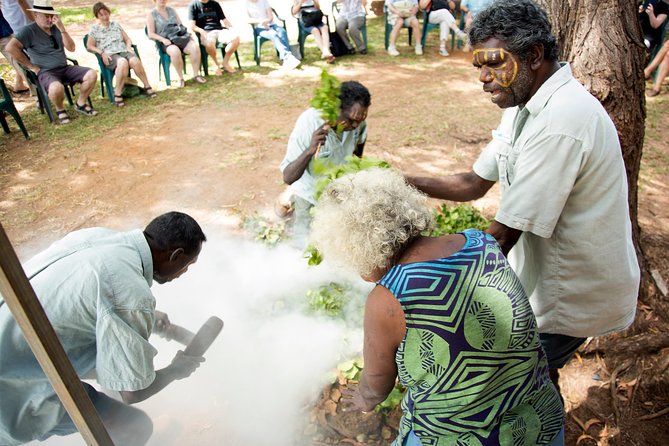
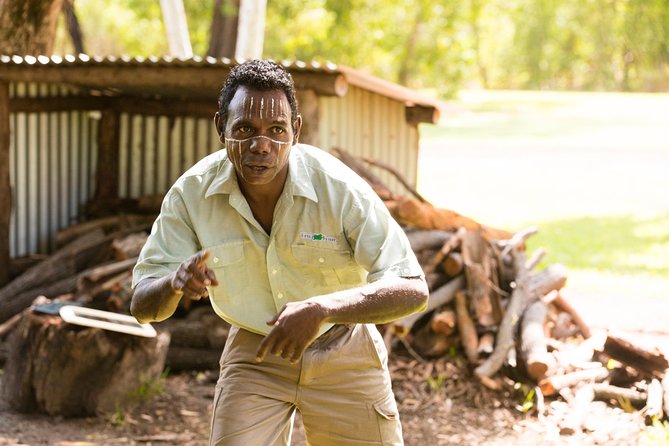
After you’ve built context, the program shifts into cultural experiences. The headline inclusions are a traditional smoking ceremony, hand weaving, and painting—plus time to watch and learn through cultural explanations delivered by local people.
This is the part many people rate highest because it feels active. You’re not just receiving facts; you’re seeing the work, hearing the story behind it, and connecting language to action. A smoking ceremony, in particular, tends to feel like a moment of significance rather than entertainment. The point isn’t to turn it into a photo op—it’s to understand what the ceremony represents and how it relates to wellbeing and respect within community life.
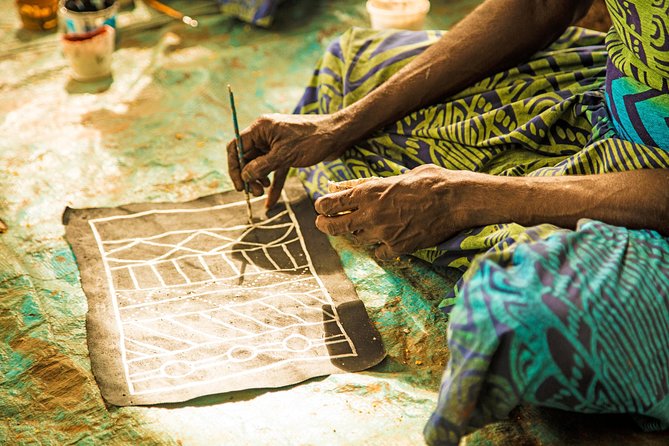
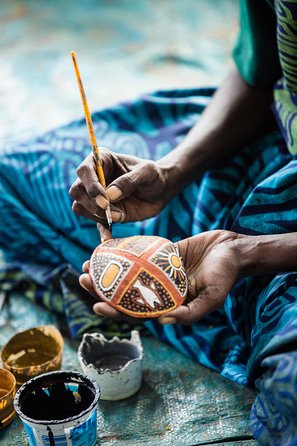
Weaving and painting are similarly grounded in skill and meaning. You may see locals painting shells and explain how designs connect to stories and identity. Depending on the team on your day, presenters and guides you might hear from include Tiwi community members such as Fred or Steel, while the guiding voice might be someone like Trevor or Cedric.
Two practical notes to keep expectations realistic:
- Hearing can vary. Group settings can make it hard to catch every word, especially on transport.
- Time at each activity is structured. If you love slow, unhurried crafting sessions, you may feel there’s not enough time to go deep into every art step.
Still, for most people, this is the heart of the trip.
Food and timing: billy tea, damper, and lunch around 1pm
Food is part of the included package: morning tea includes local billy tea and damper, and lunch is also provided. Nutrition is handled well enough that you shouldn’t have to hunt for snacks right after arriving.
But the timing can feel more compressed than you’d expect on paper. Lunch is typically served around the early afternoon (around 1pm has come up as a practical marker), and sometimes the billy tea and damper can land close to lunch time depending on how the day runs. That’s why I’d treat this like a “long morning” with food included—but still pack a small personal snack just in case you get hungry before lunch.
Lunch itself has been described as fresh and enjoyable, often eaten outdoors in a simple, comfortable setup. You’ll do best with a relaxed attitude: this is not a fancy restaurant meal. It’s part of the day’s flow, designed to keep you ready for the cultural program.
Comfort tips that matter: wear something breathable for the island heat, and bring a light layer because mornings and boats can feel cooler than you expect.
Price and value at $333.52: what you’re really paying for
At $333.52 per person, this isn’t a budget day trip. So the question is value: does the package justify the cost?
Here’s what you’re getting that drives value:
- Round-trip ferry from Darwin to Bathurst Island (the big logistical cost)
- Air-conditioned minivan transport on the ground
- Experienced driver guide
- Lunch + morning tea (billy tea and damper)
- Tiwi Museum visit included
- A small group cap (max 20), which usually improves the quality of interaction
Where value can feel uneven is expectations. This is a full-day schedule with structured activities, not unlimited village time or a long, slow art workshop. Also, the ferry crossing takes real time, and on some days weather can affect sailing or timing—so your best value strategy is to treat it as a planned cultural experience, not a strict itinerary with zero flexibility.
Who should feel it’s worth it? People who want a guided, community-led introduction to Tiwi culture with context and hands-on elements, and who are okay with a long, structured day.
Who might balk? If you mainly want scenery, you might feel the day is more about learning than roaming. If you want lots of time to linger at every art step, plan to take your main photos quickly and your questions slowly.
Should you book Tiwi Islands Cultural Experience with ferry from Darwin?
If your goal is to understand Tiwi culture from the inside—through museum context, guided storytelling, and participation in activities like a smoking ceremony and painting—this is a strong choice. The day is built around local voices and structured learning, with the ferry making it genuinely convenient from Darwin.
I’d book it if:
- You want a cultural day that’s more than watching from afar
- You’re comfortable with a long boat day and an early start
- You like museums and history that connect directly to living traditions
I’d think twice if:
- You hate long travel days and tight schedules
- You need lots of free time to wander at your own pace
- You’re sensitive to hearing challenges in group settings and long transport
If you go in with patience for the ferry timing and a curious mindset for the stories, you should come away with a clearer view of Tiwi life—and a better appreciation for why the arts and ceremonies matter.
FAQ
What’s the duration of the Tiwi Islands Cultural Experience?
The tour runs for about 10 hours 15 minutes (approx.), from the morning departure until it returns to the meeting point in the late afternoon.
Where do I meet the tour?
You meet at Cullen Bay Ferry Terminal in Larrakeyah, NT 0820. Hotel pickup and drop-off are not included.
Does the price include the ferry crossing?
Yes. Return ferry from Darwin to Bathurst Island is included, along with the guided day program and museum visit.
What time does the tour return to Darwin?
The tour returns to Darwin at approximately 17:45, which is timed to leave enough room for later departures (for example, flights around 21:00).
What meals are included?
Morning tea is included (local billy tea and damper), and lunch is also included.
What cultural activities are part of the day?
The day includes visits and guided cultural experiences such as a traditional smoking ceremony, hand weaving, and painting, along with time at the Tiwi Museum.
What’s included in terms of transport on the island?
Transport by air-conditioned minivan is included, along with an experienced driver guide.
Is there a limit on group size?
Yes. The maximum group size is 20 travelers.
What if the weather is bad?
The experience requires good weather. If it’s cancelled due to poor weather, you’ll be offered an alternative date or a full refund.