REVIEW · DUBLIN
Ferry to Ireland’s Eye in Howth
Book on Viator →Operated by Howth Cliff Cruises · Bookable on Viator
Nothing beats a quick wild side trip.
This ferry to Ireland’s Eye from Howth turns Dublin’s city rhythm into salt air, bird calls, and real coastal scenery in a matter of minutes. I love how much nature you get for the time you spend, especially with chances to spot puffins, gannets, and seals in their home waters. I also like the idea of a west-facing, secluded beach where you can actually go for a swim. The one real drawback to keep in mind: landing on the island can be rocky and a bit of a hands-and-feet moment, so moderate fitness helps.
The crossing itself is quick and scenic, with views tied to Howth Head cliffs as you approach the drop-off point. Expect about 20 minutes each way on the ferry, and then enough time on the island to do the highlights without rushing. If you’re hoping for puffins to be front-and-center on cue, plan for wildlife sightings that vary with conditions and timing.
In This Review
- Key Things I’d Pay Attention To
- Ireland’s Eye: The Most Efficient Nature Escape From Howth
- Ferry Ride from Howth to Ireland’s Eye: Short, Scenic, and Practical
- The Landing on Ireland’s Eye: Where Your Feet Matter
- Wildlife Realities: Puffins, Gannets, and Seals Without the Hype
- Swimming on the Secluded West-Facing Beach
- How the Island Time Fits Into 1–3 Hours
- Price and Value: What You Really Get for $36.20
- Where the Tour Starts (and Why It’s Easy to Use)
- Who This Ferry Trip Is For (and Who Might Skip)
- Should You Book the Ferry to Ireland’s Eye?
- FAQ
- How long is the ferry trip to Ireland’s Eye?
- Where does the tour start and end?
- What is included in the price?
- Are snacks included?
- What wildlife might I see on Ireland’s Eye?
- What should I bring if I want to swim?
- How big is the group?
- When should I book?
- What happens if weather is bad?
Key Things I’d Pay Attention To
- Quick 20-minute crossing that keeps your day flexible
- Real wildlife potential: puffins, gannets, and seals
- A swimming option on the island’s secluded west-facing beach
- Rocky landing considerations (bring your steady-foot mindset)
- Small group size (max 28) for a calmer feel than big tours
Ireland’s Eye: The Most Efficient Nature Escape From Howth
Howth is close enough to Dublin to feel like an easy day plan, but it still has that “you’re at the edge of the sea” vibe. This ferry makes it even better because you skip the long overland mission and go straight to the island drop-off by boat. The payoff is a protected coastal sanctuary setting that feels removed from traffic, even though you’re only in the area briefly.
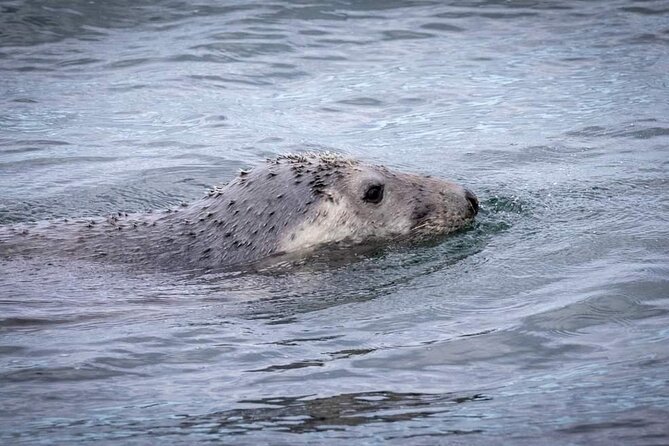
The island’s appeal is simple: sea birds overhead and along the cliffs, seals in the water, and that sense of wild space you don’t get in the city. It’s also a place with limited access in parts, which matters—because it helps protect nesting areas. In plain terms, you’re not there for a theme-park stroll. You’re there for a nature visit.
If you want a quick reset—fresh air, changing views, and a break from pavement—this is built for you. I’d especially recommend it if you like coastal wildlife but don’t want a full-day commitment.
Ferry Ride from Howth to Ireland’s Eye: Short, Scenic, and Practical
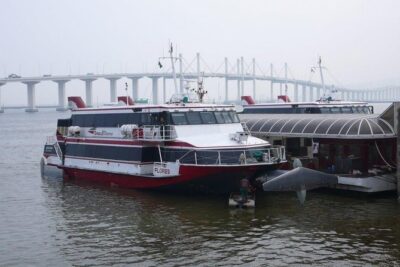
This is a direct shuttle ferry with a return ticket, and the boat time is about 20 minutes from the Howth pontoon to Ireland’s Eye. That “short and sweet” timing is one of the biggest reasons I think it works well for most schedules. You get the sea portion without eating the whole morning or afternoon.
On approach, the views help set the mood. You’ll see the Howth Head cliffs during the crossing, and the scenery feels more dramatic than typical shoreline walks. Even if wildlife sightings don’t go perfectly, the ride itself is still part of the value: moving water, coastal angles, and that open-sky feeling you can’t fake on land.
The tour runs for roughly 1 to 3 hours total, so it’s designed to fit into a bigger day in Dublin/Howth. Mobile ticketing makes it easier too—you won’t be juggling paper tickets in salty wind.
The Landing on Ireland’s Eye: Where Your Feet Matter
Here’s the part you should respect. The ferry lands at a drop-off point on Ireland’s Eye, and disembarking can involve rocky terrain and some uneven footing. One review called it at least as challenging as the booking description suggested, and that’s the theme you should take seriously even if you’re generally athletic.
The key idea: the captain helps passengers, but you still need to judge your own comfort. If your balance is great, you’ll likely feel fine. If you’re wearing slippery shoes, if you don’t like heights, or if you’re not confident on uneven ground, take that seriously before committing.
You might want to plan footwear accordingly—something grippy and worn-in helps. Also, don’t assume there’s a gentle landing for everyone. It’s a wild island with natural rock, not a cruise pier with railings and perfect steps.
Wildlife Realities: Puffins, Gannets, and Seals Without the Hype
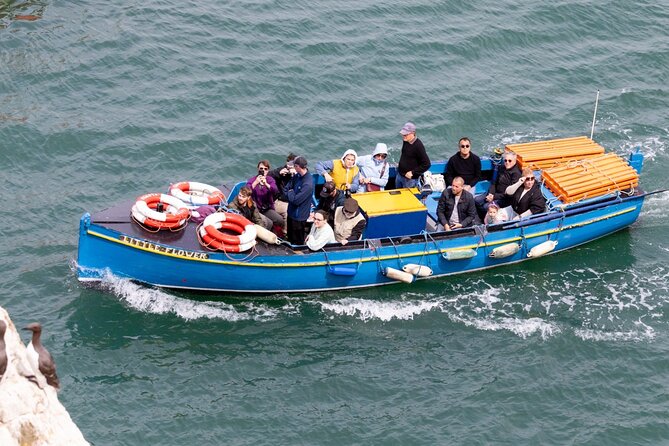
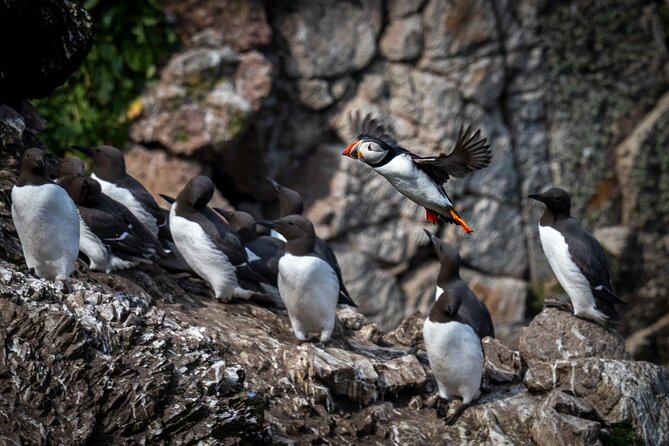
Ireland’s Eye is famous for sea birds, and the tour is built around that promise. You’ll have chances to spot puffins, gannets, and seals, and that’s genuinely exciting—especially when you’re looking at animals in their normal habitat instead of behind fences.
That said, wildlife isn’t a vending machine. One disappointment in the reviews was that puffins weren’t easy to see from the island, because they nest in cliff areas and often aren’t visible unless you hit the right angle and timing. In other words: you can do everything “right” and still not get a perfect puffin photo.
Here’s how to make the experience work anyway:
- Keep expectations flexible about where birds appear.
- Focus on the overall bird and seal activity, not just one species.
- If you have strong zoom or binoculars, you’ll be in a better position to notice movement on cliffs and in the water.
Also remember: nesting areas exist to protect birds, not to entertain humans. Limited visibility is part of that protection, so the best mindset is patient observation.
Swimming on the Secluded West-Facing Beach
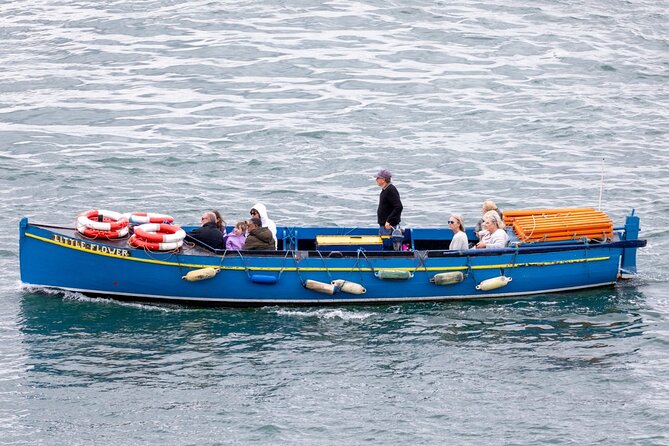
One of the standout highlights is the chance to swim in pristine waters at the island’s secluded west-facing beach. That’s not something you get on most quick island ferry trips. If you’re comfortable with coastal water, it can turn a short wildlife outing into a more full-body experience—cool water, salt air, and that feeling of being in the middle of nowhere for a little while.
Practical note: the tour description frames it as a swim opportunity, but the actual conditions can affect what’s comfortable. Bring swim gear if you want that option to be real, not theoretical.
If you’re not a swimmer, don’t worry—you can still enjoy the coast. But if you are, you’ll likely feel the trip is worth it for this single reason alone.
How the Island Time Fits Into 1–3 Hours
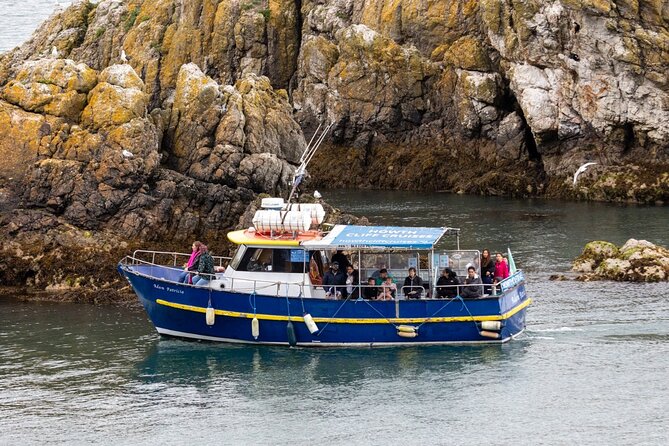
The total experience runs about 1 to 3 hours. That time window shapes how you should approach the island. This isn’t a “wander at will for half a day” plan. It’s more like: disembark, see what you can safely manage, then enjoy the coastal atmosphere, birds, and the beach option, before heading back.
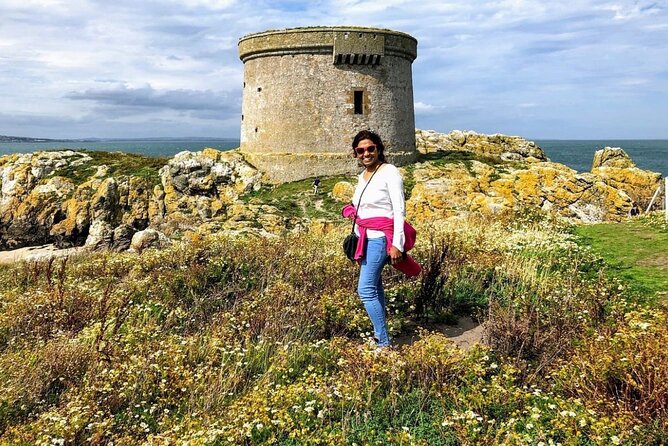
Also, because access to certain parts of the island can be limited to protect wildlife habitats, don’t count on circling every corner. Some areas may be off-limits or not accessible in the way you might expect from normal walking routes. One review noted there’s an old monastery building left from the past, but it wasn’t accessible either. So treat the island as a nature site first, and any built remnants as a bonus.
My advice for pacing: aim to do two things well—bird spotting and the beach—then spend any extra time where your energy allows. That keeps the experience satisfying instead of turning it into a rushed scramble.
Price and Value: What You Really Get for $36.20
At $36.20 per person, the question isn’t just whether it’s “cheap.” The real value comes from what’s included versus what you have to bring yourself.
What you get:
- Direct shuttle ferry to the island and back
- Return ticket
- Mobile ticket convenience
- Small-group feel (max 28)
What you don’t get:
- Snacks (so plan your own)
This is a good deal if you like coastal experiences and you want the boat transfer handled for you. The short ferry time means you aren’t burning hours just getting there. You’re paying for access: leaving Howth by sea and arriving at a protected island setting in one smooth chunk.
To maximize value, pack like you’re doing a mini expedition: water, a small snack if you’ll be out longer, and anything you might need for beach time. You’ll feel the difference if you’re not counting on the tour to provide food.
Where the Tour Starts (and Why It’s Easy to Use)
The meeting point is Howth Cliff Cruises / Ireland’s Eye Ferries at 16 W Pier, Howth Demesne, Dublin, Ireland. The activity ends back at the same place, which is convenient and reduces stress when you’re planning the rest of your day.
It’s also near public transportation, so you’re not stuck needing a car. For many people, that matters more than it seems. Howth can be straightforward, but hopping in and out without parking hassle makes the whole day smoother.
Who This Ferry Trip Is For (and Who Might Skip)
This works best for people who:
- Want a short, real nature break from the Howth/Dublin area
- Enjoy wildlife viewing and coastal scenery
- Are comfortable with moderate physical demands on uneven ground
- Like the idea of adding a swim to a sightseeing plan
It may be less ideal for people who:
- Are nervous about stepping onto rocky, uneven terrain
- Want guaranteed puffin visibility
- Prefer tours where every part is fully accessible with easy walkways
That negative review is a useful warning: disembarking can be harder than expected, and puffin viewing can be limited depending on where birds are at the time. If either of those points would stress you out, consider whether a boat ride that stays in the bay might fit your style better.
Should You Book the Ferry to Ireland’s Eye?
Book it if you want a focused, short nature trip with real coastal vibes and wildlife odds. This is the kind of outing that makes sense when you have limited time, but you still want more than a shoreline walk. The combination of the ferry transfer, bird-and-seal chances, and the west-facing beach swim makes it a strong value at $36.20.
Skip or rethink it if you’re only interested in puffins at close range and worry about rocky landings. Wildlife isn’t guaranteed, and the landing part is real terrain, not a gentle deck-to-shore transfer.
If you book, go in with the right mindset: steady footing, binocular/zoom-friendly expectations, and a plan to enjoy what the island offers today—not what photos promised last week.
FAQ
How long is the ferry trip to Ireland’s Eye?
The crossing takes about 20 minutes each way, and the overall experience lasts about 1 to 3 hours.
Where does the tour start and end?
It starts at Howth Cliff Cruises / Ireland’s Eye Ferries at 16 W Pier, Howth Demesne, Dublin, Ireland, and it ends back at the same meeting point.
What is included in the price?
You get a direct shuttle ferry with a return ticket.
Are snacks included?
No. Snacks are not included.
What wildlife might I see on Ireland’s Eye?
The highlights include chances to see puffins, gannets, and seals.
What should I bring if I want to swim?
The tour highlights a secluded west-facing beach for swimming, so you should bring swim gear and plan for conditions on the day.
How big is the group?
The maximum group size is 28 travelers.
When should I book?
On average, this is booked about 9 days in advance.
What happens if weather is bad?
This experience requires good weather. If it’s canceled due to poor weather, you’ll be offered a different date or a full refund.