REVIEW · SEATTLE
From Seattle: Round Trip by High Speed Ferry to Victoria, BC
Book on Viator →Operated by FRS Clipper · Bookable on Viator
A straight shot from Seattle to Canada. This high-speed ferry from Pier 69 to Victoria’s Inner Harbour saves you from a long drive and hands you big-water views as you cross Puget Sound and the Strait of Juan de Fuca.
I especially like the roomy economy seating and the chance to step on deck when the weather cooperates. I also like that there’s an onboard cafe plus duty-free shopping, so the ride doesn’t feel like a dead stretch.
One thing to consider: the sailing time is listed as about 3 hours, but your day-trip plans can get tight if the crossing runs longer.
In This Review
- Key things to know before you go
- Seattle to Victoria by High-Speed Ferry: the exact kind of time-saver you want
- Pier 69 check-in: documents and details that can make or break the day
- Crossing Puget Sound: comfort, deck time, and why the cafe matters
- A comfort heads-up
- Wildlife tip, but keep expectations flexible
- Reaching Victoria’s Inner Harbour: your arrival “mode” and what to do first
- A realistic Victoria day-trip plan (and the time math that keeps it fun)
- Check attraction schedules before you commit
- Price and value: what you really get for $192
- Luggage, seating, and upgrades: small rules that change the day
- Where the ride can feel better or worse
- Who should book this ferry from Seattle to Victoria
- Should you book this Seattle to Victoria ferry?
- FAQ
- FAQ
- Where do I meet the ferry in Seattle?
- What ID do I need to cross into Canada by sea?
- How long is the ferry ride?
- Is food included in the ticket price?
- How much luggage can I bring?
- Can I bring a pet or a bike?
- Can I upgrade my seating?
- What happens if the ferry is canceled due to weather?
- How far in advance can I cancel for a full refund?
Key things to know before you go
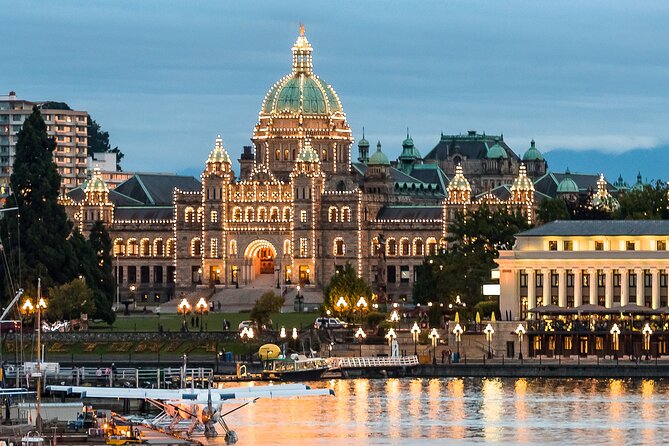
- Downtown arrival convenience: You land right at Victoria’s Inner Harbour, so you can start exploring fast.
- Passenger-only ferry: No cars allowed, so this is all about the crossing and being in Victoria on foot.
- Onboard options: A cafe and duty-free shops keep you fed and entertained during the ride.
- Seating comfort (and upgrades): Economy seating is included; Comfort and Vista Class upgrades are available.
- Border-ready requirements: You must have the right ID and provide passport details for booking confirmation.
Seattle to Victoria by High-Speed Ferry: the exact kind of time-saver you want
If your goal is Victoria without turning your day into a traffic-and-parking project, this ferry is built for that. You start in downtown Seattle and end downtown Victoria, and the water does the heavy lifting instead of the freeway.
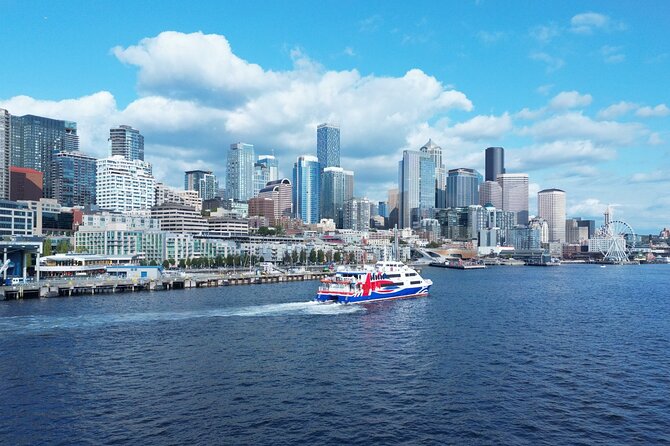
The route is a real cross-border commute: you board at Pier 69 and travel through Puget Sound and toward the Strait of Juan de Fuca before docking at Victoria’s Inner Harbour. That means the trip feels like a mini-escape, not just transportation.
Before anything else, plan around check-in. You’ll want to arrive about 1 hour before departure so you can board smoothly. You also need a mobile ticket, and you’ll get confirmation at booking time.
Pier 69 check-in: documents and details that can make or break the day
This isn’t a “show up and wing it” ride. You’ll cross the US/Canada border by sea, so your ID rules matter.
You need one of these to cross by land and sea: a US passport, passport card, Enhanced Driver License, or an Enhanced ID Card (EDL/ID). If you’re traveling by air, the rules are different: a passport card or EDL/ID won’t work for air travel, so double-check your overall plans if you’re mixing modes.
At booking time, you also have to provide citizenship in a special requirements box. Then you must enter full names and dates of birth exactly as they appear on passports. Your booking can’t be confirmed without those details.
One more border note that’s easy to overlook: the info states that people with a felony may be denied entrance into Canada, and it lists DUI as a felony in Canada. If that’s relevant for anyone in your group, it’s worth sorting out before you buy.
The practical tip: if your documents are in two different bags, keep them together. You’ll be handing over ID at the terminal, and you don’t want a last-minute shuffle.
Crossing Puget Sound: comfort, deck time, and why the cafe matters
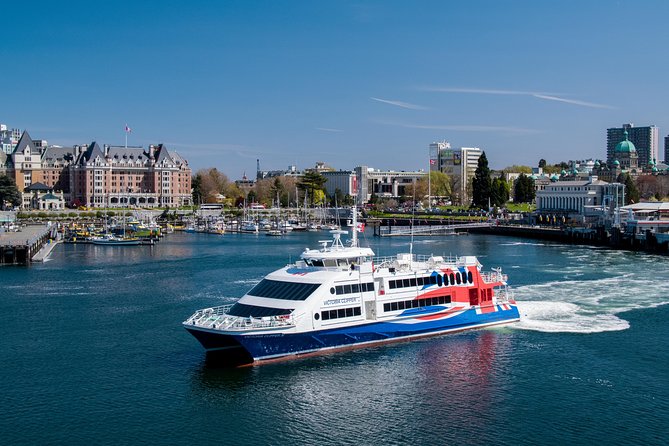
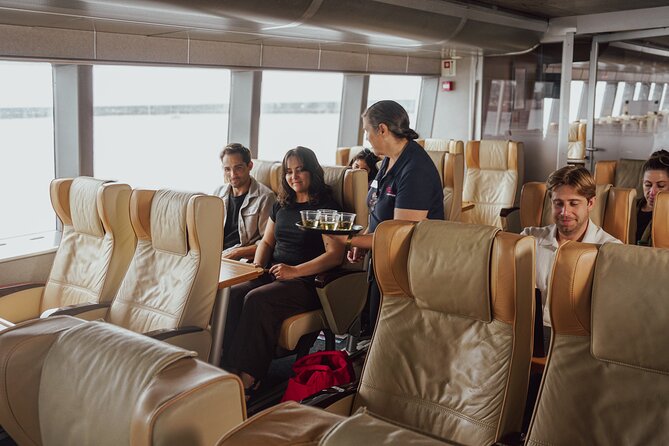
The sailing itself is designed to be easy. You sit in economy seating, which is included, and the seats are described as wide and comfortable with ample legroom. Some seats have tables, which becomes handy if you grab food or drinks on board.
You’ll have two main ways to pass the time:
- Indoor comfort with the cafe and shopping around you.
- Deck viewing for passing scenery and wildlife moments when conditions are good.
The cafe is part of the vibe, not an afterthought. You can buy food and beverages onboard (meals and drinks are not included in the ticket price). People talk about coffee and snacks, and one common practical takeaway is that food choices can get limited later in the trip, so if you want breakfast-type options, don’t wait too long.
Duty-free shopping is also there to keep your hands busy. It’s the sort of stop where you can pick up small gifts, luxuries, and souvenirs without packing extra stops into your itinerary.
A comfort heads-up
A few things can affect comfort, even on a smooth ride. One note from experience: the ferry temperature can feel a bit cold, so I’d pack a light layer. Also, if you’re the type who wants quiet time, note that there can be a lot of kids on board on some departures, including running around and noise during parts of the day.
Wildlife tip, but keep expectations flexible
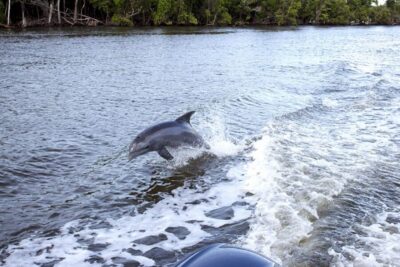
You might see wildlife on the way. One account notes that orcas were spotted from the ferry, and the ship slowed down for photos. That’s not guaranteed, but the point is: the crossing can be more fun than you’d expect if you’re willing to look up from your seat.
Reaching Victoria’s Inner Harbour: your arrival “mode” and what to do first
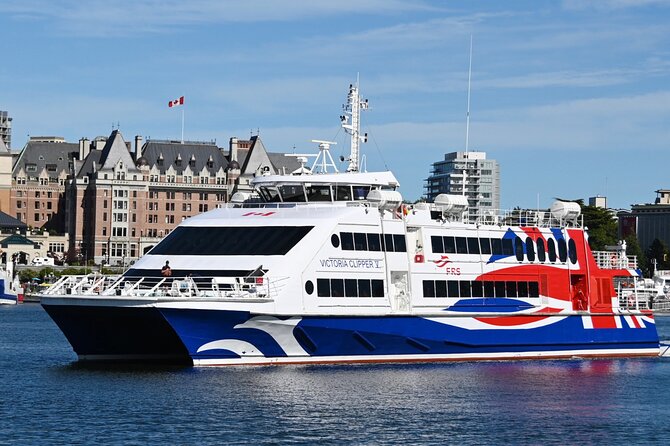
The best part of this ferry is the end point. You dock at Victoria’s Inner Harbour in downtown Victoria, which means you don’t need a bus tour just to get started.
As soon as you step off, you’re positioned for a self-guided day: shopping streets, viewpoints around the harbor, and the simple pleasure of walking in a different country. If it’s raining, you can still bounce between indoor spots without wasting time on long transfers.
I like arrival convenience because it lets you build your day around weather. If it’s clear, you can prioritize parks and harbor walks. If it’s gloomy, you can shift to shops and meals and still keep the day moving.
Also pay attention to the “board back” timing. The info is clear that you must return to the dock prior to departure time, and departure times can vary slightly based on the day of week and time of year. For a day trip, that flexibility is great for logistics, but it also means you shouldn’t treat your schedule like a fixed clock.
A realistic Victoria day-trip plan (and the time math that keeps it fun)
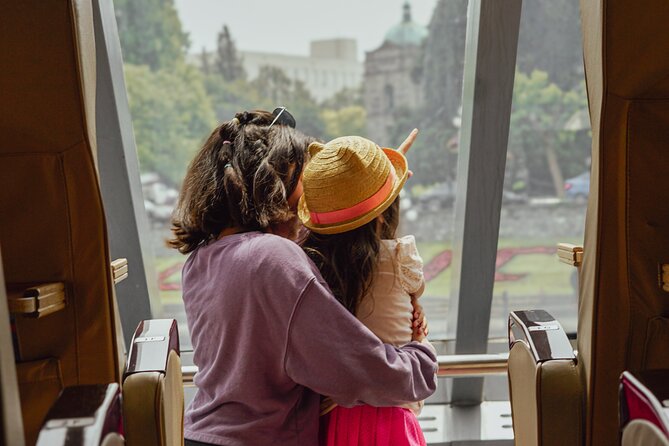
The ferry ride is listed as about 3 hours, round-trip ferry transportation included. In practice, your time in Victoria depends on whether the crossing stays close to the advertised pace.
Here’s the simple planning reality:
- If it’s close to 3 hours each way, you likely get a substantial sightseeing window.
- If it stretches toward something closer to 4 hours each way, your “on land” time shrinks fast, and you’ll need to pick fewer priorities.
So my advice is to travel with a plan that has options. Instead of trying to do everything in one day, choose a core loop in the downtown area and add one “farther-out” activity only if it fits your personal tolerance for schedule stress.
If you want “big-ticket” add-ons, you can pair the ferry with other tours in Victoria. The provided info doesn’t map those tours for you, but at least one plan example comes up: pairing with Butchart Gardens and even a higher-end experience like high tea. Another common pairing people use is a hop-on, hop-off bus to orient quickly and cover more ground.
Check attraction schedules before you commit
One helpful lesson from real-world timing: not every attraction operates every day. For example, a castle visit was attempted but it was closed on that day, so if you’re aiming for something specific, verify schedules ahead of time rather than assuming.
Price and value: what you really get for $192
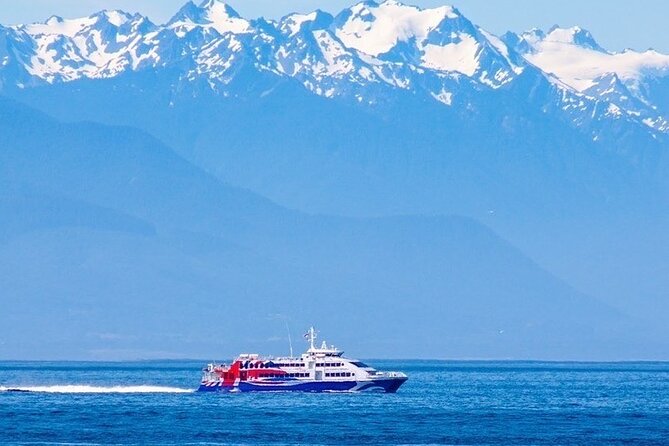
At $192 per person for round trip, you’re paying for speed, convenience, and border-ready transportation. This price is for the ferry itself, with several fees included in the total.
Included in the ticket:
- Round-trip ferry transportation Seattle ↔ Victoria
- Fuel surcharge
- Port fee
- Security fee
- Carry-on luggage
- Economy seating
Not included:
- Food and beverage (you purchase onboard)
- Checked luggage (listed as $20 per piece each way)
- Upgrades (Comfort & Vista Class are available for an additional cost through Clipper Vacations)
To judge value, I think in terms of what you avoid:
- You avoid most of the long-drive hassle (and the question of parking once you’re in Victoria).
- You get a straight route from downtown Seattle to downtown Victoria.
- You reduce decision fatigue. The ferry does the commute, and you use your energy on being in Victoria.
If you’re traveling light, this can be a strong deal. The carry-on limit is 1 small carry-on, so if you’re bringing more than that, checked luggage fees can add up quickly.
If you’re the type who cares about comfort, the upgrade option is worth researching early. Comfort and Vista Class are available, and people who upgrade often do it because they want a quieter, roomier ride. Your mileage depends on what “comfort” means to you.
Luggage, seating, and upgrades: small rules that change the day
The luggage rules are straightforward, but they’re the sort of detail that can surprise you at the worst time.
- You’re allowed one small carry-on.
- Checked luggage costs $20 per piece each way.
- Autos are not allowed because this is a passenger-only ferry service.
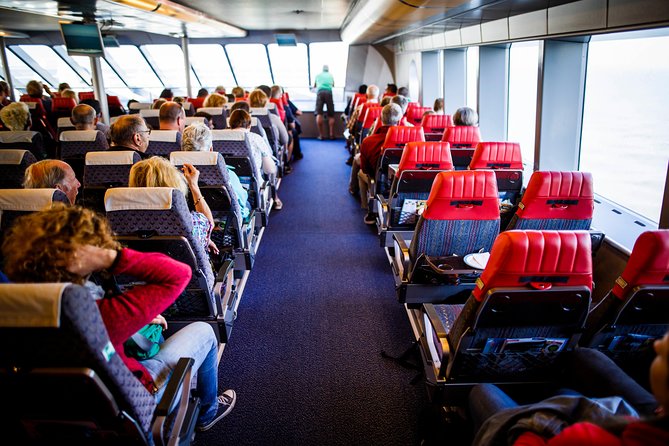
Seating is where you’ll feel the difference most. Economy seating is included, and some seats have tables, which makes buying onboard food and drinks more practical without hunting for a spot elsewhere.
If you want an upgrade, Comfort and Vista Class seating is available. The info says to call Clipper Vacations for pricing and availability. That’s useful if your departure is popular and you’re trying to lock in better seating early.
Where the ride can feel better or worse
A couple of practical comfort notes show up in the real-world experience:
- If you want the best “people watching” or scenery time, deck access is key, but weather can limit it.
- If you’re sensitive to noise, be aware that some sailings have lots of kids onboard and it can get loud during parts of the trip.
Who should book this ferry from Seattle to Victoria
This ferry fits best if you want:
- A day trip that stays low-stress
- Downtown access in both cities
- A comfortable ride with a cafe and shopping onboard
- The flexibility to explore Victoria on your own once you arrive
It also helps if you’re traveling in a way where you don’t need a car. Since autos aren’t allowed, you won’t be using this for road trips—this is for people who want to walk, take local transit, or use tours once in Victoria.
If you need maximum quiet, you might prefer a sailing that’s known for fewer family-heavy crowds, but the data you have here doesn’t guarantee that. So for noise-sensitive folks, I’d plan to bring ear protection and a layer for temperature.
Should you book this Seattle to Victoria ferry?
Yes, if your main goal is a practical, fast link between downtown Seattle and downtown Victoria. The included price covers the heavy logistics, and the onboard cafe plus duty-free gives you a few built-in “keep busy” options during the crossing.
Book with extra planning care if you’re doing a tight day trip around one specific attraction. Crossing time is listed as about 3 hours, but schedule variations can compress your time on land. For me, that’s the only reason I’d hesitate, not the ferry itself.
FAQ
FAQ
Where do I meet the ferry in Seattle?
You board at 2701 Alaskan Wy, Seattle, WA 98121.
What ID do I need to cross into Canada by sea?
You need a US passport, passport card, Enhanced Driver License, or an Enhanced ID Card (EDL/ID).
How long is the ferry ride?
The duration is listed as about 3 hours (approx.), and departure times vary slightly by day of week and time of year.
Is food included in the ticket price?
No. Food and beverage are available to purchase, but they are not included.
How much luggage can I bring?
You’re allowed 1 small carry-on. Checked luggage costs $20 per piece each way.
Can I bring a pet or a bike?
Service animals are allowed. Bikes and dogs have restrictions, and you must advise the provider at booking if you need to bring a bike or dog on board.
Can I upgrade my seating?
Yes. Comfort and Vista Class seating is available for upgrade. Pricing and availability are handled through Clipper Vacations.
What happens if the ferry is canceled due to weather?
The experience requires good weather. If it’s canceled due to poor weather, you’ll be offered a different date or a full refund.
How far in advance can I cancel for a full refund?
You can cancel for a full refund up to 24 hours in advance of the experience’s start time.