REVIEW · SEATTLE
Seattle, WA to Victoria, BC High-Speed Passenger Ferry: ONE-WAY
Book on Viator →Operated by FRS Clipper · Bookable on Viator
Three hours, two countries, one catamaran. This one-way Seattle to Victoria crossing on the FRS Clipper is built for speed and big-water views, with duty-free shopping onboard because you’re leaving the US for Canada. You’ll glide across Puget Sound and the Strait of Juan de Fuca, then arrive right by Victoria’s Inner Harbour.
I love the downtown location of the Victoria arrival at the Bellville Terminal, which keeps your next step simple for dining and sightseeing. I also like the way the trip is run for passengers, including clear boarding guidance and onboard sight commentary (with one staffer named Jay getting special praise for being friendly and helpful).
The one drawback to plan around is that this is a passenger-only ferry. You can’t bring a car, and luggage is limited to a small carry-on unless you pay for checked bags.
In This Review
- Key things I’d plan for
- Seattle to Victoria by high-speed catamaran: the big idea
- Where you start and where you land in Victoria
- Boarding basics: mobile ticket, seat type, and what to bring
- The ride itself: speed, scenery, and whale-spotting slowdowns
- Duty-free shopping and onboard service: what you can do while crossing
- Seating classes: Economy vs. Vista and Comfort upgrades
- Arrival day in Victoria: make the first hour count
- Value check: is $136.50 a fair price for this one-way ferry?
- Who this ferry suits best (and who should rethink it)
- When your schedule needs a Plan B: weather and timing reality
- Should you book the Seattle to Victoria ONE-WAY FRS Clipper ferry?
- FAQ
- How long is the ferry ride from Seattle to Victoria?
- Where do I catch the ferry in Seattle?
- Where does the ferry arrive in Victoria?
- Is this a passenger-only ferry or can I bring my car?
- What documents do I need to cross into Canada by sea?
- How much luggage can I bring?
- Is duty-free shopping available onboard?
- Can I bring a bike or a dog?
- What happens if the ferry is canceled?
Key things I’d plan for
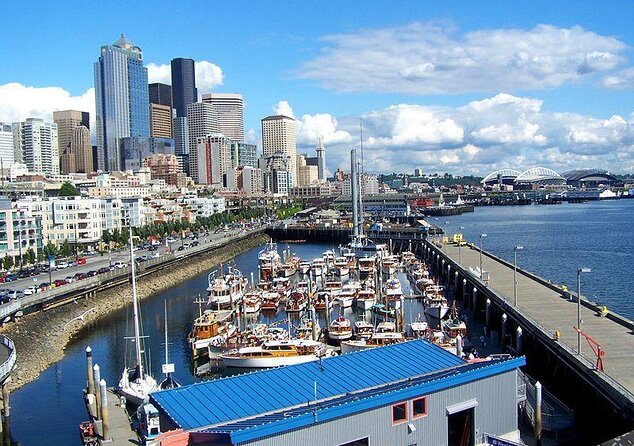
- Puget Sound and Strait of Juan de Fuca views for an easy, camera-friendly ride
- Duty-free shopping onboard since you’re crossing from the US to Canada
- Downtown Victoria arrival at Bellville Terminal (254 Belleville St.) for quick access to the Inner Harbour
- Food and drinks available for purchase if you want something more than the included seating
- Vista and Comfort class upgrades if you want better seats and perks
- You’ll go through border formalities in Canada, so passport details have to be right
Seattle to Victoria by high-speed catamaran: the big idea
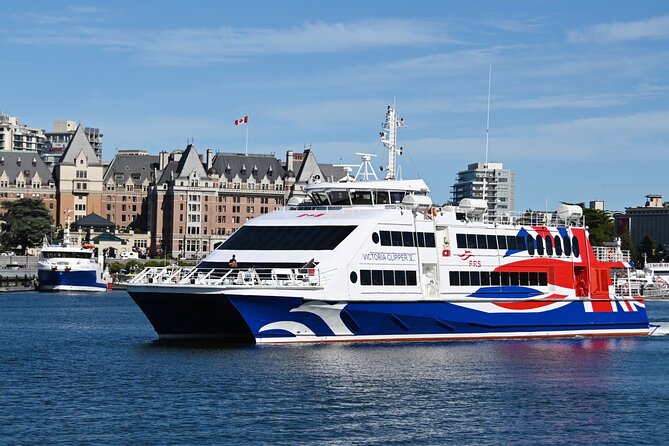
This crossing is a smart trade: you give up your car for a fast, focused trip that keeps you in the action the whole time. The FRS Clipper is a high-speed catamaran designed for passenger comfort, so instead of sitting in a vehicle and later wrestling parking, you get a direct hop to downtown Victoria.
The timing is also friendly for a day-planning mindset. You’re looking at just under three hours on the water, then you’re in place for Victoria’s Inner Harbour area without needing extra transit right after arrival.
Where you start and where you land in Victoria
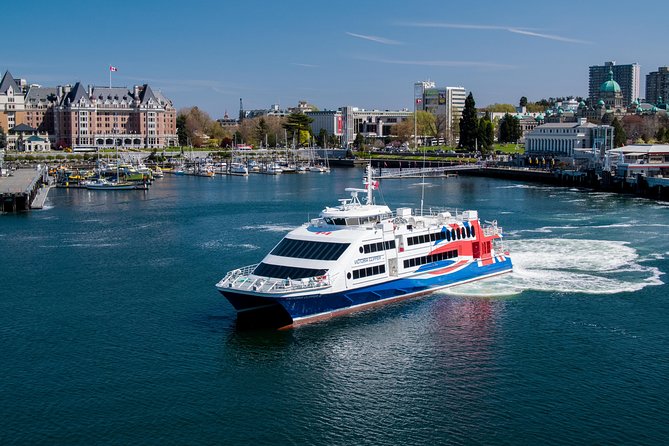
Your Seattle start point is 2701 Alaskan Wy, Seattle, WA 98121. This is the kind of terminal address you can actually plug into your day plan without guesswork.
In Victoria, the ferry docks at the Bellville Terminal at 254 Belleville St., Victoria, BC V8V 1X2, right in the Inner Harbour. That matters because Victoria’s most-used sights, restaurants, and shopping are walkable or a short hop from there. If you’re building a tight itinerary, having your ferry end downtown is a real value.
Boarding basics: mobile ticket, seat type, and what to bring
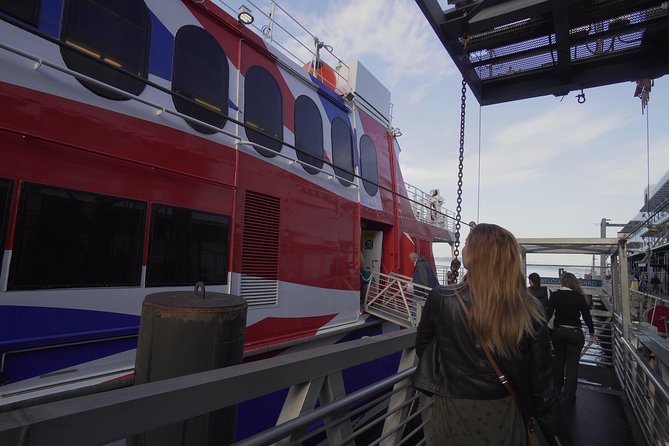
You’ll use a mobile ticket, which is convenient if you prefer not to dig through paper. Economy Class seating is included, and you can upgrade to Vista & Comfort class seating if you want a different seating setup.
That brings up a practical point: pick your seat based on how you want to spend the ride. If you want a lot of scenery and less fuss, higher-quality seating upgrades are worth considering. People who chose Comfort class in the past have reported getting free snacks and a better view, while still keeping the trip comfortable and organized.
Carry-on limits are where you’ll feel rules most clearly:
- You’re allowed 1 small carry on
- Checked luggage is available for $20 per piece
- Autos and other vehicles are not allowed (passenger-only service)
If you’re traveling with a lot of gear—think bulky souvenirs, multiple bags, or sports equipment—plan to pack smarter. The ferry is set up for quick, light travel, not hauling a full suitcase plus a shopping spree before you even arrive.
The ride itself: speed, scenery, and whale-spotting slowdowns
The core experience is the cruise across Puget Sound and the Strait of Juan de Fuca. You’re not doing a “maybe we’ll see something” tour; you’re on a route where ocean views are part of the package.
One of the nicest surprises on this kind of crossing is when the crew adjusts the ride for wildlife. On prior sailings, the ferry has slowed down so passengers could observe whales and take photos. If you’re camera-ready, this is exactly the moment to keep your lens handy and your arms inside when leaning toward the window.
Onboard motion also seems to vary with conditions, but the overall impression is that the ride tends to be smooth enough that sea sickness doesn’t have to be a deal-breaker. If you get queasy, you’ll want to be ready with your own plan; some trips have included nausea assistance onboard, which helps if you feel it coming.
Duty-free shopping and onboard service: what you can do while crossing
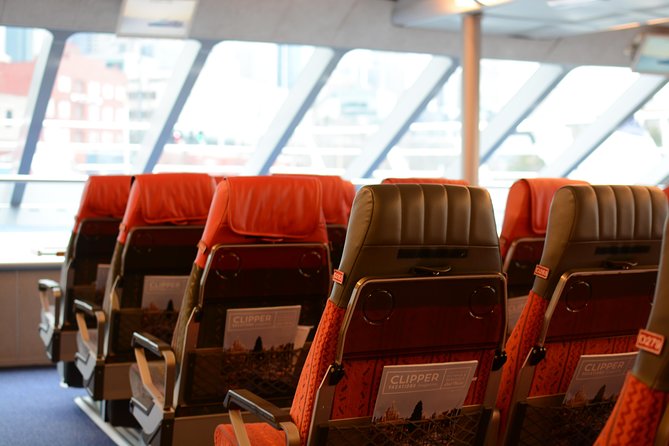
Because you’re crossing from the US to Canada, duty-free shopping is available on board. For many people, that turns the ferry from “just transportation” into a short break where you can actually browse—snacks, small gifts, and the usual Canada-bound impulse buys.
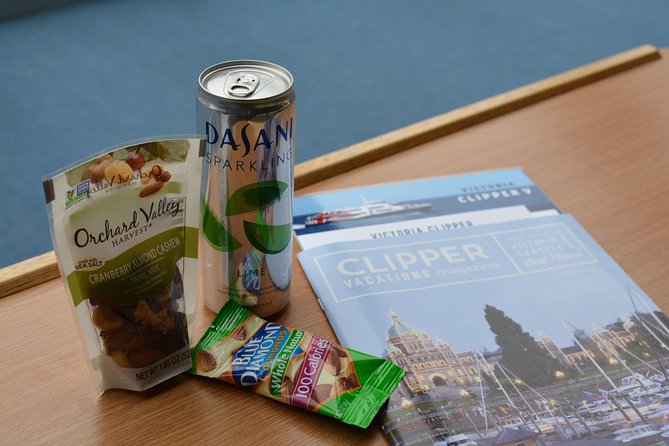
There’s also food and beverage service you can purchase onboard. The practical angle: treat onboard meals and drinks like you would any transport setting—convenient, sometimes good, but often priced higher than you’d pay on land. If breakfast or a full meal is part of your plan, expect the menu to be more limited than a restaurant and more expensive than a grocery stop.
If you like a simple rhythm, you can do this:
- Bring a small carry-on snack in case the timing hits your hunger
- Buy coffee or a light bite onboard if you want
- Save the bigger meal for Victoria, once you’ve got your bearings
Seating classes: Economy vs. Vista and Comfort upgrades
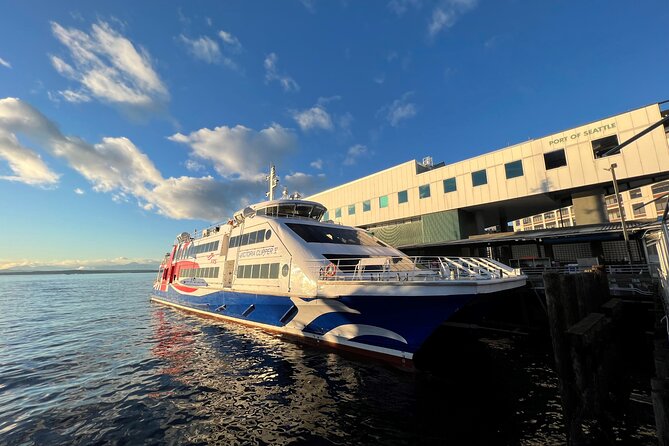
Economy Class seating is included, so you can absolutely do this crossing on the base ticket. But if you care about view quality, comfort, and a more “treated like a passenger” feel, upgrades can make a difference.
Vista & Comfort class seating are offered as upgrades through the provider, and pricing/availability depends on the sailing. Past passengers have also noted that Comfort class can come with perks like free snacks and a better view, which is the sort of upgrade that makes sense for a 3-hour trip. You’re not spending a whole day onboard—so if you’re going to pay extra, it’s usually because you want the ride to feel easier.
Arrival day in Victoria: make the first hour count
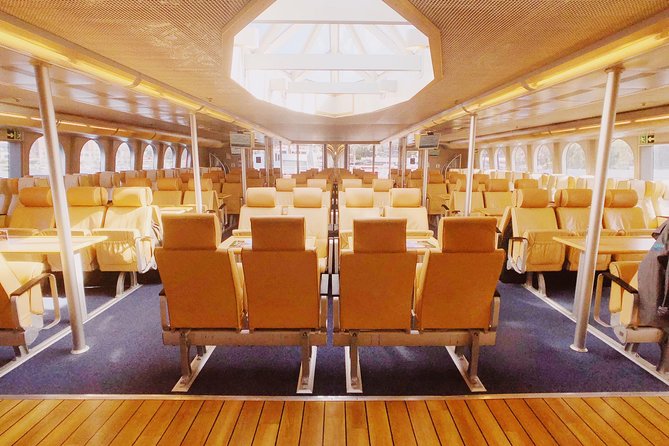
When the ferry docks at Bellville Terminal, you’re dropped into Victoria’s Inner Harbour area. That’s useful because it keeps the mental load low. Instead of figuring out a transit connection immediately after a border crossing, you can walk out and start your day.
This is a great window to do one practical thing fast: decide where you’re grabbing your first meal or coffee. If you’re heading to any downtown attractions, you’ll likely find them easiest to access from this terminal location.
You’ll also encounter helpful guidance onboard around what to do next. In the past, the crew has been praised for being knowledgeable at arrival into Canada and offering tips about what to see and where to go. So, if there’s an onboard announcement at the Canadian side, pay attention—it can save you time once you’re on foot.
Value check: is $136.50 a fair price for this one-way ferry?
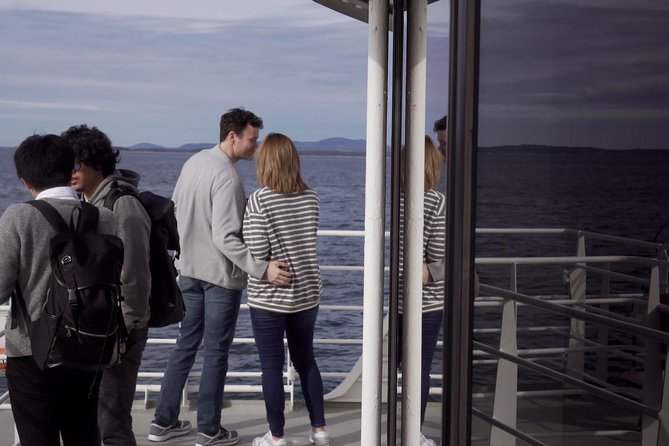
At $136.50 per person for a one-way crossing with an approximate 3-hour duration, this isn’t a budget gamble. But the value often comes from what you’re not dealing with:
- You’re avoiding a longer road plan with parking stress
- You get direct downtown arrival in Victoria
- You’re on a fast passenger-only service designed for views and comfort
You also gain onboard “extras” that you can actually use during the trip. Duty-free shopping and food/drink for purchase mean you don’t feel stuck in one lane. If you compare that to spending a full chunk of time in transit and then hunting for dinner, the price can start to look more reasonable.
Where you might feel the cost: luggage fees. Checked luggage is $20 per piece and you’re limited to a small carry-on. So the true cost of the trip depends on how much stuff you bring.
Who this ferry suits best (and who should rethink it)
This one-way ferry is ideal if you want:
- A fast Seattle-to-Victoria connection without driving into Canada
- Downtown Victoria arrival right away
- A trip that stays focused on the experience (views, duty-free, onboard service)
It’s also a good option for people who don’t want to handle cars at the border. Since autos aren’t allowed, the ferry naturally simplifies the trip for solo travelers, couples, and families who travel light.
It’s less ideal if you:
- Need to bring a car or large checked luggage
- Plan to travel with a lot of gear that will trigger extra luggage fees
- Are bringing a bike or a dog and need special permissions—restrictions apply, and you must advise at booking
Service animals are allowed, and the terminal is near public transportation, which can help if you don’t want to rely solely on rideshare or a private shuttle.
When your schedule needs a Plan B: weather and timing reality
This experience depends on good weather. If conditions cause a cancellation, you’ll be offered a different date or a full refund. That’s exactly what you want to hear when you’re planning a trip that hinges on timing.
Also remember: even on services that usually run well, delays can happen. Some past departures have run late, and one sailing was canceled close to departure. So if Victoria is part of a tight plan—like an event with a hard start time—build buffer time into your itinerary and keep your next steps flexible.
Should you book the Seattle to Victoria ONE-WAY FRS Clipper ferry?
Yes, if your top priority is a fast, straightforward link from Seattle to downtown Victoria with views you can actually enjoy. The ferry’s strongest selling point is simple: you leave the US in the morning (or whenever your sailing is), spend a little under three hours on the water, and arrive in the Inner Harbour area ready to walk into Victoria.
Book it with confidence if you:
- Travel light enough to fit the carry-on rules
- Want duty-free shopping and onboard food/drinks as part of the ride
- Prefer an easy arrival near restaurants and sightseeing
Skip or rethink it if your plan depends on bringing a car, bringing lots of luggage, or you can’t tolerate schedule changes. In those cases, the passenger-only setup and the weather dependency are the friction points.
If you can work within those limits, this is one of the cleanest ways to switch countries without adding extra hours of travel stress.
FAQ
How long is the ferry ride from Seattle to Victoria?
The crossing is about 3 hours (approx.).
Where do I catch the ferry in Seattle?
The Seattle terminal address is 2701 Alaskan Wy, Seattle, WA 98121.
Where does the ferry arrive in Victoria?
It docks at the Bellville Terminal, 254 Belleville St., Victoria, BC V8V 1X2.
Is this a passenger-only ferry or can I bring my car?
This is a passenger-only ferry service. Autos and other vehicles are not allowed.
What documents do I need to cross into Canada by sea?
A US Passport, Passport Card, Enhanced Driver License, or an Enhanced ID Card (EDL/ID) is required to cross by land and sea. For air travel, a Passport is required, and Passport Card/EDL/ID are not valid for air travel.
How much luggage can I bring?
You’re allowed 1 small carry-on. Checked luggage is available for $20.00 per piece of luggage. (Checked luggage is not included.)
Is duty-free shopping available onboard?
Yes. Duty-free shopping is available because the route crosses from the US into Canada.
Can I bring a bike or a dog?
Restrictions apply with bikes and dogs. You must advise the provider at booking if you need to bring a bike or dog onboard.
What happens if the ferry is canceled?
If the experience is canceled due to poor weather, you’ll be offered a different date or a full refund. The experience can also be canceled if a minimum number of travelers isn’t met, with a different date or a full refund offered.