Zurich’s hills and water make this tour fly. It strings together tram rides, funiculars, a Lake Zurich ferry, and a cable car or train to the viewpoint—so you see the city the way locals move. I especially liked the public-transport hopscotch and the storytelling from guides like Patricia and Greg, who helped the stops click fast.
One thing to know up front: there’s a lot of steep uphill walking. The tour is rated for moderate fitness, and if your pace slows on hills, it can feel long—plus there’s only a short lunch break on your own.
In This Review
- Key things to know before you go
- Entering Zurich via trams, trains, ferries, and cable cars
- Start at the Swiss National Museum, then go up fast
- Polyterrasse and ETH: science views with a city backdrop
- Niederdorf and Old Town lanes: cobblestones, churches, and shopping pauses
- Lindenhof Hill: history dating to 80 BC
- Bellevue Square near the Opera House: quick lunch, then back outside
- Bürkliplatz ferry on Lake Zurich: slow down on purpose
- Felsenegg or Uetliberg: cable car or train and the Planetweg trail
- Price and value: what you actually get for $114.95
- Timing, pacing, and the reality of hills
- Weather check: when the viewpoints shine
- Group size and guide style: small enough to feel personal
- Who should book this Zurich transport-and-views tour?
- Should you book this tour?
- FAQ
- How long is the Zurich Tour via Trams, Trains, Ferries and Cable Cars?
- What time does the tour start?
- Where is the meeting point?
- Where does the tour end?
- Is the tour in English?
- Is lunch included?
- What’s included in the price?
- Does the tour run in any weather?
- How big are the groups?
- Is the tour accessible for people with mobility issues?
Key things to know before you go
- A real mix of transport: funicular, trams, ferry on Lake Zurich, and cable car/train to the hills
- Big-view anchors: Polyterrasse for ETH-area panoramas, then Felsenegg or Uetliberg for Alps-and-lake sightlines
- Old Town highlights in a tight loop: Grossmünster, Fraumünster, and St. Peter’s famous clock face area
- A playful stop at Planetweg: the solar system walk helps break up the sightseeing pace
- Small group size (max 16): easier questions and more guide attention
- Weather matters: it’s designed as a good-weather day for viewpoint clarity
Entering Zurich via trams, trains, ferries, and cable cars
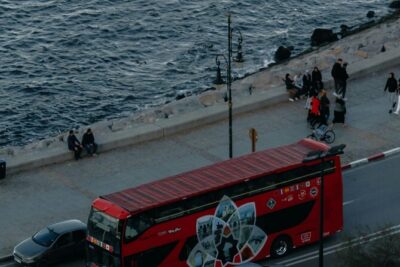
This is the kind of tour that makes Zurich feel efficient without making it feel rushed. You’re not stuck on one bus for hours. Instead, you hop between modes—trams for the city grid, a ferry for the lake air, and a cable car or train to get above the rooftops.
What I like most about this approach is that it’s practical. Zurich is built for public transit, and your ticket choices would add up quickly if you tried to DIY all these hops alone. Here, the transportation costs are covered, so you can focus on looking up—literally.
Start at the Swiss National Museum, then go up fast
You meet at the Swiss National Museum (Museumstrasse 2) at 9:45 am. The walk-to-views rhythm starts immediately with a funicular ride up to Polyterrasse. It’s a smart opener because it gets you oriented before your feet get tired.
Also, it’s a mobile-ticket tour with a small cap of 16 people. That matters in Zurich. Narrow streets and busy stops can turn into bottlenecks fast, so a smaller group is a nice quality-of-life detail.
Polyterrasse and ETH: science views with a city backdrop
Polyterrasse is a panoramic terrace in front of ETH, Zurich’s famous technical institute. You spend about 30 minutes here with an admission ticket included, and the big payoff is the view. You get a sense of how the city layers over the water and hills.
This stop is more than a photo moment. The guide frames ETH’s role in education, science, and innovation, so the scenery feels connected to something real, not just postcard angles. If you like learning how places work—why certain neighborhoods thrive—this is a good start.
Tip: bring a jacket or at least a layer. Even in fair weather, viewpoints can feel cooler once you’re up off the street.
Niederdorf and Old Town lanes: cobblestones, churches, and shopping pauses
After Polyterrasse, the tour walks into the Old Town vibe, starting with the Niederdorf district. This is where Zurich’s medieval-styled lanes, boutique shops, and café culture start to feel like a living town instead of a list of landmarks.
From there, you work through the Old Town with major sights in range, including the Grossmünster and Fraumünster areas. You also spend time around St. Peter’s Church, which is known for having Europe’s largest clock face. If you’re the kind of person who likes to spot details in plain sight, this church clock is a memorable stop.
One practical point: Old Town sections can be slippery and slow in rain. Some guides keep the pacing tight when weather shifts, but the walking does add up.
Lindenhof Hill: history dating to 80 BC
Next comes Lindenhof Hill, a calm park-like overlook in the heart of Zurich. You’ll get around 20 minutes here, with a chance to step out of the street motion and reset.
What makes Lindenhof worth the climb (or at least worth the effort) is the mix of history and viewpoint. The area is associated with roots that go back to 80 BC, and the view gives you a different “map view” of the city than the earlier terrace.
Photo-wise, it’s a great spot to grab a clean shot of rooftops and river/lake directions before you head toward the lake itself.
Bellevue Square near the Opera House: quick lunch, then back outside
You head to Bellevue Square by the Opera House for a short lunch break. You get about 30 minutes, and the lunch itself isn’t included—you’re on your own for food.
This is the spot where pacing really matters. In busy weather, 30 minutes can disappear fast if you’re trying to order and find seating. I’d plan for fast choices: something you can eat while standing or somewhere nearby rather than hunting for the perfect café chair.
If you’re traveling with someone who needs more time to rest, this is also where you can quietly adjust expectations. Treat it as a reset, not a long meal.
Bürkliplatz ferry on Lake Zurich: slow down on purpose
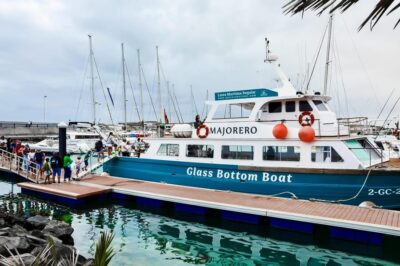
After the city stops, the tour becomes calmer at Bürkliplatz. You board the ferry for a relaxing Lake Zurich cruise for about 1 hour, with the admission ticket included.
This is one of the most enjoyable changes of pace on the itinerary. The boat gives you time to look at Zurich from the water without craning your neck or negotiating sidewalks. You also get a different sense of distance between neighborhoods—something you can’t see well from tram windows.
If you’re the type who gets “tour fatigue” near the middle of a day, the ferry is a good medicine. It breaks the walking pattern and gives you fresh air without needing extra steps.
Felsenegg or Uetliberg: cable car or train and the Planetweg trail
The final phase takes you to one of Zurich’s local viewpoint hills: Uetliberg or Felsenegg. The tour includes the short ride—either by train or aerial cable car—and about 2 hours total at the destination area.
Here’s what you’re really going for:
- sweeping panoramas over Zurich and the lake
- a chance to look toward the Alps when visibility is good
- the Planetweg trail, a scaled-down solar system walk
That Planetweg detail is genuinely fun because it mixes science-friendly curiosity with an easy, scenic path through the forest. It turns the viewpoint stop from a one-and-done lookout into a wandering experience.
When weather is clear, it’s the kind of place where you naturally slow down. When it’s cloudy, you still get fresh air and forest calm, but the big-distance views may be reduced. Plan to dress for outdoors; you’ll be outside during this portion.
Price and value: what you actually get for $114.95
At $114.95 per person, the value comes from two things: transport coverage and guided time.
This tour includes:
- local professional guide
- transportation costs for funicular, tram, ferry, bus, cable car, train
- admission tickets at key stops
So while the price looks like a single line item, it’s really paying for lots of separate “Zurich add-ons” that would otherwise stack up if you tried to piece everything together. The guided narration also protects your time. In a city like Zurich, it’s easy to wander into the wrong lane or miss what to look for.
Duration is listed at about 5 to 6 hours. That’s a good length for a concentrated hits tour—long enough for two major view areas and a real lake segment, but not so long you feel stuck all day.
Timing, pacing, and the reality of hills
This is where you need to be honest with yourself.
The tour involves walking with uphill and downhill sections. It’s described as moderate fitness, and the feedback points are consistent: seniors and people with heart conditions found the hills challenging, and one person’s tour experience ended early because a steep section was too much for their friend.
The good news? There’s flexibility inside the day. One review notes there was a lift option for people who didn’t want to climb a very steep hill. That’s not a blanket guarantee for every situation, but it does suggest you can ask the guide about options on the day.
If you have mobility limits, this tour specifically says it’s not for people with walking or mobility issues. So if that’s you, skip it and choose a more accessible city format.
Weather check: when the viewpoints shine
The tour requires good weather. That doesn’t mean one cloud will ruin it, but it does mean the viewpoint payoff is built for clear skies.
You’ll get the most out of Polyterrasse and the hill viewpoint if you can see far. If the day turns gray or rainy, you’ll still enjoy the walk and the ferry, but you may not get the full “Alps and wide city” effect.
Bring a rain layer and be ready to trade “perfect photos” for “good memories” if visibility drops.
Group size and guide style: small enough to feel personal
The maximum group size is 16. That tends to make the experience feel less like a cattle call and more like a guided walk. When the group stays together, stops feel smoother.
Guides come through in the best way. I saw strong praise for Patricia’s friendliness and answers during the day, Greg’s communication and expertise, and Vanessa’s knowledge and personable style. That matters because Zurich landmarks can feel straightforward on a map—but they’re more interesting when someone points out what to notice and why it matters.
Who should book this Zurich transport-and-views tour?
This is a great fit if you:
- like public transit and want to use it as part of the sightseeing plan
- want a guided route that connects major Old Town sights to viewpoints
- enjoy lake time on the water
- can handle hills and uneven streets for several hours
It’s less ideal if you:
- have difficulty with steep uphill walking
- need lots of rest time
- have mobility limitations
If you’re traveling with a senior who might struggle, consider splitting plans: they could do a slower day around the lake and Old Town, while you do this full tram-and-cable-car route with someone else who can manage the climb.
Should you book this tour?
I’d book it if you want a well-paced day that mixes city icons, lake air, and hilltop views using Zurich’s own transport system. The $114.95 price is easiest to justify when you remember you’re paying for transport and included admission together, while a guide keeps the day organized.
Skip it if hills are a problem for you or if you want a low-walking experience. Also, if rain is likely, be ready for less-than-perfect views and adjust your expectations.
If you’re mid-fit and willing to work a little for the panoramas, this tour is a very Zurich way to spend half a day.
FAQ
How long is the Zurich Tour via Trams, Trains, Ferries and Cable Cars?
It runs about 5 to 6 hours.
What time does the tour start?
The start time is 9:45 am.
Where is the meeting point?
You meet at the Swiss National Museum, Museumstrasse 2, 8001 Zürich.
Where does the tour end?
The tour ends at Zurich HB (Main Station), at Bahnhofplatz, 8001 Zürich.
Is the tour in English?
Yes, it’s offered in English.
Is lunch included?
No. There is a lunch break, but lunch itself is not included.
What’s included in the price?
A local professional guide, transportation costs (funicular, tram, ferry, bus, cable car, train), and admission tickets at specified stops.
Does the tour run in any weather?
It requires good weather. If it’s canceled due to poor weather, you’ll be offered a different date or a full refund.
How big are the groups?
The tour has a maximum of 16 travelers.
Is the tour accessible for people with mobility issues?
No. It’s not for people with walking or mobility issues, and it’s suitable for travelers with moderate physical fitness. Service animals are allowed.