REVIEW · TARIFA
Tangier Private Tour from Tarifa with Express Ferry
Book on Viator →Operated by Tours in Tangier · Bookable on Viator
One ferry ride, and Africa begins. This private Tangier day from Tarifa is built around the speed of an express ferry and a packed-but-doable set of stops once you reach the Strait, including hilltop Casbah viewpoints and time to wander the Medina.
I especially like the hands-on flow: your guide is waiting outside the port with a sign, and you’re kept moving without feeling rushed. I also love that the day includes a camel moment at Achakkar Beach, so the trip isn’t only monuments and museums.
The main thing to weigh is that the schedule runs about 9 to 10 hours, and two big add-on sights (Hercules caves and the Tangier American Legation Museum) are listed as not included. If you want a totally fixed-fee day with zero surprises, this might feel a bit tight.
In This Review
- Key highlights you’ll notice right away
- Express Ferry from Tarifa: fast crossing, fewer headaches
- Cap Spartel lighthouse: the Strait’s big viewpoint stop
- Caves of Hercules: mythology with a real visual concept
- Achakkar Beach camels: an easy, fun break in the route
- Perdicaris Park and the independence square: stories in the landscape of time
- Tangier Casbah: castles on the hill and Dar el Makhzen gardens
- Musee de la Kasbah, Moshe Nahon Synagogue, and Tangier’s link to Europe
- Tangier American Legation Museum: a likely extra you may choose
- Medina of Tangier and Petite Socco: 3 hours to smell, shop, and eat
- What’s included, what costs extra, and how to plan your day
- Should you book this Tangier tour from Tarifa?
- FAQ
- How long is the Tangier Private Tour from Tarifa?
- Is this tour private?
- What’s included in the price?
- Does the tour include pickup?
- Are tickets for everything included?
- What language is the tour guide?
- What is the cancellation policy?
- Are service animals allowed?
Key highlights you’ll notice right away
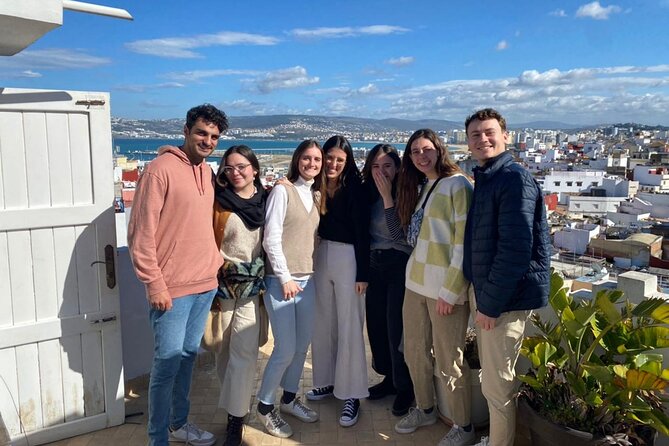
- Port pickup with a name sign so you don’t waste time figuring out who you’re meeting
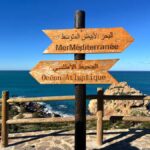
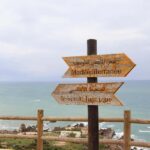
- Cap Spartel lighthouse views over the meeting point of the Mediterranean and the Atlantic
- Hercules Caves story options including the Map of Africa sea entrance idea
- Achakkar Beach camel ride mixed into a seaside stop
- Tangier Casbah and Dar el Makhzen gardens from the hilltop fortress area
- Medina Petite Socco time for real wandering plus lunch (tagine)
Express Ferry from Tarifa: fast crossing, fewer headaches
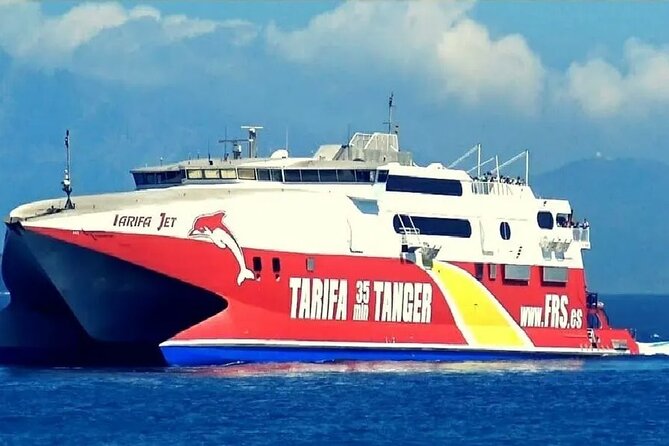
This is a full-day format, so the ferry is the heart of the experience. You start in Tarifa and use the express crossing to get to Tangier with less “dead time” than a slower route. On the Tangier side, it also helps that your driver/guide meets you outside the port holding a sign with your name—small detail, big stress reducer when the port area is busy and your group needs to move together.
I also like the rhythm of the day: you’re not just dumped into a city and left to figure it out. The plan includes a clear flow from ferry arrival into quick scenic stops, then deeper time in the Casbah and Medina. You’ll also have tea/coffee in the mix, which matters when you’re spending most of the day on the move.
A practical note: because the day is long and ferry timing matters, I’d treat this as a do-it-fully day. If you’re trying to squeeze other plans around it, leave some breathing room before and after.
Cap Spartel lighthouse: the Strait’s big viewpoint stop
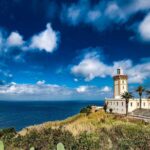
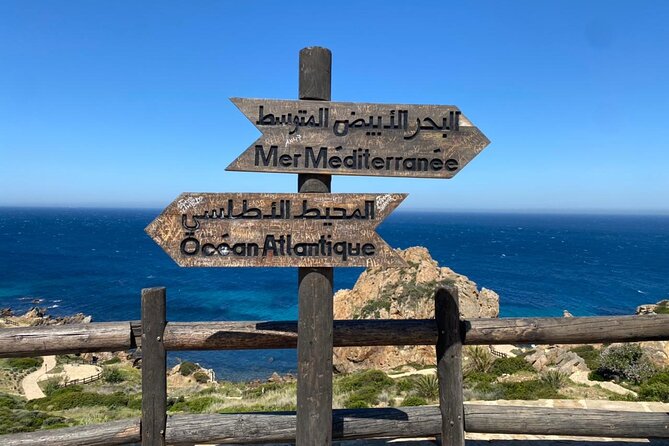
Cap Spartel is a short stop, but it’s a strong one because it gives context to where you are. The lighthouse marks the northern entrance to the Strait on Spain’s side, and you get the kind of sea view that makes the whole crossing feel real. You’ll look out toward the meeting point of the Mediterranean Sea and Atlantic Ocean, which is exactly the geographic hinge that explains why Tangier has always been a crossroads.
Why this stop is worth it even though it’s “only” about 25 minutes: it’s your chance to orient. After seeing the waters from this vantage point, the rest of the day’s story—Europe linking with Africa, trade, culture, and geography—makes more sense as you move inland.
Caves of Hercules: mythology with a real visual concept
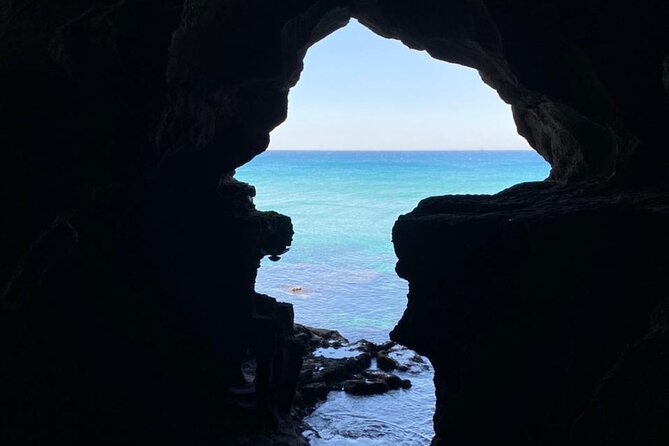
Next comes the Caves of Hercules stop. The cave is described as having two entrances—one facing the sea and one facing land. The sea entrance is known as the Map of Africa, with a belief that the Phoenicians created it, and that the Africa-shaped form shows up when you view it from the sea. Even if you don’t care about the legend angle, the “two-entrance” layout is the kind of detail that makes the stop feel intentional.
Here’s the important catch: admission for the Hercules caves is listed as not included. So if caves are a must for you, plan on paying that extra cost during the day. Also, because it’s a cave visit layered into a long schedule, wear shoes that work well for uneven surfaces and keep your camera ready—this is the sort of place where quick angles can be more memorable than long lingering.
My advice: if you enjoy myth-and-views type stops, it’s a good add-on. If you’d rather spend more time in the Medina or skip cave-style sites, you can mentally treat this as optional.
Achakkar Beach camels: an easy, fun break in the route
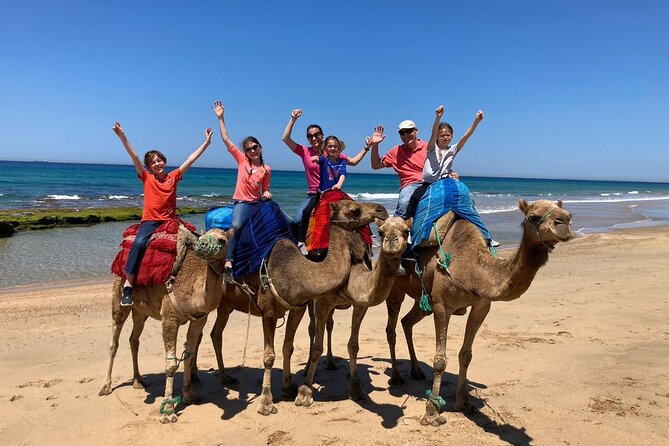
Then the day turns playful at Achakkar Beach. You get time to greet camels, and there’s an opportunity to hop on for an optional ride along the Atlantic coast. The experience notes a camel ride in the included features, so in practice you should be able to do the camel moment without hunting it down yourself.
This stop is valuable because it changes the pace. After museums and historical squares, you get open-air time and a hands-on activity. It’s also the kind of experience that works well for photos without needing to be a “photography person.”
If you’re riding, listen closely to the guide in your group. It’s usually the small instructions—how long you’ll ride, how to behave around the animals, and where to stand—that make the experience smoother.
Perdicaris Park and the independence square: stories in the landscape of time
One stop you might enjoy if you like human-interest history is Parc Perdicaris, described as Arrrmelat Forest or Forest Leglawi. The park’s name ties to an event from 18 May 1904: the kidnapping of the American wealthy Perdicaris by Mulai Ahmed Raisuli. Even though your time here is around 25 minutes, the fact that the park is named after a specific incident adds a sharper edge than a generic “look at trees” break.
From there, you move to the Place du Grand 9 Avril 1947. It’s named for the moment King Mohamed V delivered a speech appealing for independence. This is one of those stops where you’re not there for an attraction ticket—you’re there for understanding. A square like this helps translate political history into a place you can actually stand in, which is often more satisfying than reading dates on a page.
Tangier Casbah: castles on the hill and Dar el Makhzen gardens
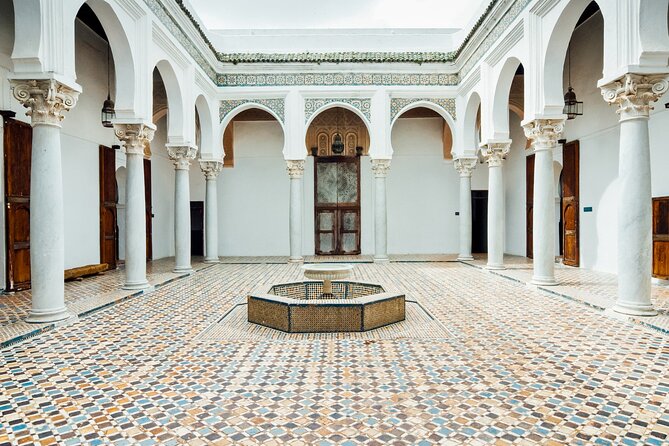
Now you get into the Casbah area, and the vibe changes fast. Tangier Casbah is described as a complex of castles on top of the hill overlooking the city. Sultan Moulay Ismail built his palace here, and the gardens are part of his 17th-century palace, called Dar el Makhzen.
This stop is included with admission, and it’s one of the best places in the day to slow down a bit (even if your schedule says otherwise). You’re in the setting where power lived—so you get a strong sense of why Tangier was historically strategic and why rulers cared so much about controlling the view and the routes.
The practical value: Casbah sites help you “read” the city. When you can visualize elevation, fortifications, and gardens as part of a palace complex, Medina wandering later feels less random and more connected.
Musee de la Kasbah, Moshe Nahon Synagogue, and Tangier’s link to Europe
The route continues with the Musee de la Kasbah, described as representing Tangier’s historical role linking Africa and Europe. The logic here is geography: because Tangier sat in a position for exchange in the Mediterranean, it became a connector of cultures, traders, ideas, and people. With about 25 minutes, you’re not going to read every label, but you’ll get a sense of the big picture behind the sights you’re seeing.
Next is the Moshe Nahon Synagogue, constructed by Moise Nahon, chief of an important family of bankers. Again, you’re not just looking at a building. You’re seeing how finance and community shaped Tangier’s social fabric. This is one of those stops where the included admission matters, because it turns a quick sight glance into a proper visit.
These two museum/religious architecture stops give you variety without sending you too far off course. They also help if you want your day trip to feel more like understanding a city than just collecting photos.
Tangier American Legation Museum: a likely extra you may choose
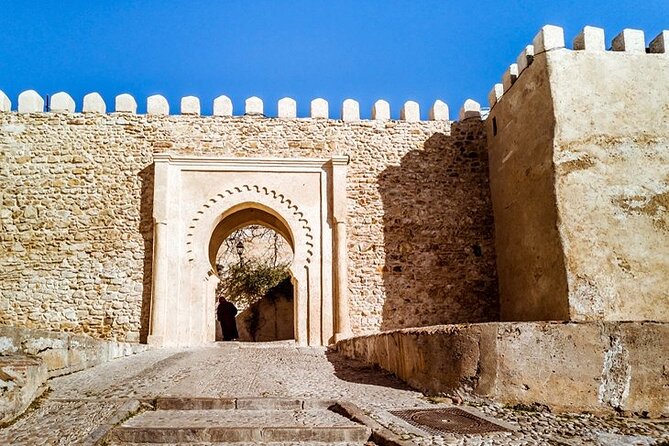
The Tangier American Legation Museum is another highlight tied to diplomacy and culture. It’s described as the first American public property outside the United States, and it commemorates historic cultural and diplomatic relations between the United States and the Kingdom of Morocco.
But admission for the American Legation Museum is listed as not included, so you may need to pay separately if you want to visit. This matters because it turns the day into a choice: do you prioritize the museum time, or do you prefer to put that extra money toward other parts of the day—especially the Medina time where shopping and food can become the main event.
If you’re a museum person who likes diplomacy stories, it’s worth considering. If your priority is street-level Tangier and you’re already getting museum content in the Casbah area, you might decide to skip and keep your energy for Medina.
Medina of Tangier and Petite Socco: 3 hours to smell, shop, and eat
The biggest block of time is saved for the Medina of Tangier, and that’s smart. You get about three hours here, with a focus on Medina Petite Socco—once one of the greatest souks in Morocco. It’s described as a place tied to writers, diplomats, famous people, businessmen, and bankers who had offices around Place Petite Socco.
What I like about this part is the way it’s described as both commercial and social. You’re not only seeing “market stalls.” You’re seeing the evidence of former wealth: cafes, hotels, shops, and casinos, all signaled as part of the area’s past. That context helps you notice things as you wander instead of just moving from one storefront to another.
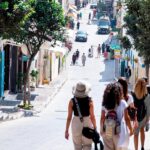
Lunch is also built into this time. The day includes lunch, described as the best tagine in town. You’ll also have time to explore colorful craft shops and markets. This is where your personal taste matters—some people want to shop for handmade items, some want a slow stroll, and some mainly want to eat and take in the atmosphere. A 3-hour window is a gift on a day trip.
What’s included, what costs extra, and how to plan your day
Here’s the simple breakdown of what you’re likely to count on versus what you may pay for:
Included features and services:
- Air-conditioned vehicle and private transportation
- Ferry tickets for the crossing from Tarifa
- Tea/coffee
- Lunch
- Camel ride
- Admission tickets for the Casbah area, Musee de la Kasbah, and the Moshe Nahon Synagogue
- Mobile ticket and English-speaking guide
- Pickup offered, including from ferry/cruise ships and other convenient points
Add-on items (listed as not included):
- Hercules caves (admission not included)
- Tangier American Legation Museum (admission not included)
Because two admissions are not included, I’d treat that as your “on the day” budgeting area. Decide ahead of time if you care about caves specifically (Map of Africa story) and if the American Legation Museum is a priority for you. That way you won’t be making choices while you’re tired at the end of a ferry day.
Should you book this Tangier tour from Tarifa?
I think this is a great choice if you want a guided day trip that actually connects the dots. You’re getting sea views at Cap Spartel, a myth-linked cave option, a camel moment, Casbah hilltop sights with museums and synagogue visits, and then a real chunk of Medina time with lunch.
Book it if:
- you like guided history with good stop variety
- you want an easy ferry-based day plan with private transport
- you’re happy making two add-on choices (Hercules caves and the American Legation Museum)
Skip it (or consider alternatives) if:
- you prefer a totally fixed, no-extra-admission day
- you don’t like long days (this runs about 9 to 10 hours)
- you’d rather stay longer in one area instead of moving through several
If you like well-paced sightseeing with time to actually experience Tangier streets, this one hits the sweet spot.
FAQ
How long is the Tangier Private Tour from Tarifa?
It’s about 9 to 10 hours.
Is this tour private?
Yes. It’s a private tour/activity, and only your group participates.
What’s included in the price?
Ferry tickets, air-conditioned vehicle and private transportation, tea/coffee, lunch, and a camel ride are included.
Does the tour include pickup?
Pickup is offered, including from ferry and cruise ships, and you’ll meet your driver/guide outside the port holding a sign with your name.
Are tickets for everything included?
Admission is included for the Casbah sights such as the Tangier Casbah, Musee de la Kasbah, and Moshe Nahon Synagogue. Hercules caves and the Tangier American Legation Museum are listed as not included.
What language is the tour guide?
The tour is offered in English.
What is the cancellation policy?
Free cancellation is available up to 24 hours in advance for a full refund.
Are service animals allowed?
Yes, service animals are allowed.