
REVIEW · PICTON
InterIslander Ferry – Picton to Wellington
Book on Viator →Operated by Interislander · Bookable on Viator
Cook Strait feels like a bonus day. The InterIslander Picton-to-Wellington ferry turns transit into a proper cruise, starting in Queen Charlotte Sound and finishing with Wellington Harbour views.
I love two practical things here: the viewing decks make it easy to catch scenery without committing to a tour bus schedule, and the baggage allowance is generous for a one-way crossing.
One consideration: your sightseeing depends a lot on weather. On cold, windy days, you may spend more time indoors and less time out on deck.
In This Review
- Key things to know before you go
- Cook Strait without the airport grind
- Picton departure: stairs, check-in timing, and where to wait
- Queen Charlotte Sound to open water: what the 3.5 hours actually feels like
- The calm start in Queen Charlotte Sound
- The Cook Strait portion: views, but expect the elements
- Wellington arrival: landing near the city, then straight into Te Papa mode
- On-board comfort: decks, lounges, movie screens, and kids spaces
- Where to spend your time
- Movie theatre and other extras
- Premium Lounge: comfort upgrade, with a few practical trade-offs
- Food on the ferry: good options, plus coffee lines to plan around
- What you can bring: baggage allowance and why it can affect your packing
- Vehicles, bikes, and sporting gear: adding your next leg to the trip
- Weather, schedules, and why flexibility matters
- Who this ferry suits best
- Should you book the InterIslander Picton to Wellington ferry?
- FAQ
- How long is the InterIslander ferry from Picton to Wellington?
- How much does the Picton to Wellington ferry cost?
- Can I travel with a vehicle or do I have to travel on foot?
- What baggage allowance is included?
- Is food included in the ticket price?
- Are bicycles and sporting gear allowed?
- Are service animals allowed on the ferry?
- Is smoking permitted inside the ship?
- What happens if the ferry is canceled due to poor weather, or if I cancel?
Key things to know before you go

- Queen Charlotte Sound first: calmer, sheltered water and shoreline scenery before the ferry reaches open Cook Strait.
- Multiple ticket styles: travel on foot or with a vehicle, depending on what you’re planning next.
- Viewing decks are the point: you can roam between decks and lounges during the 3.5-hour crossing.
- Baggage rules matter: it’s 2 items up to 23 kg each, with strict size limits for over-weight-and-over-size bags.
- On-board food is purchase-only: cafes and a bar are available, and lines (especially for coffee) can be long.
- Bring layers: even in good weather, the decks can feel chilly and breezy.
Cook Strait without the airport grind
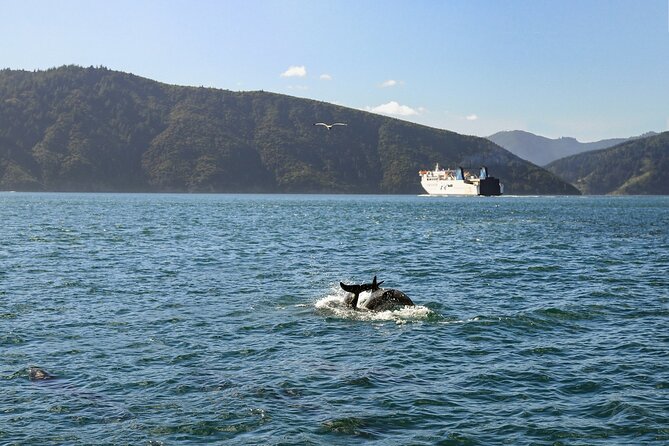
The Picton to Wellington crossing is a classic New Zealand “in between” journey: you leave the South Island behind, then arrive at the North Island capital by sea. Instead of dealing with flights and airport delays, you get a relaxed, timed departure and a moving view the whole way.
At about 3.5 hours on the water, it’s long enough to feel like a day plan (read, wander, eat), but not so long that you’ll be stuck on repeat. The price you’ll see for this sailing starts around $58.77 per person, and that can feel like good value because you’re paying for transportation plus a real chunk of scenery—and you also get a solid baggage allowance.
The ferry also serves a practical role: it connects your South Island plans to Wellington activities and onward travel without adding airport stress or the famously rough-feeling Wellington flight experience people talk about.
Picton departure: stairs, check-in timing, and where to wait
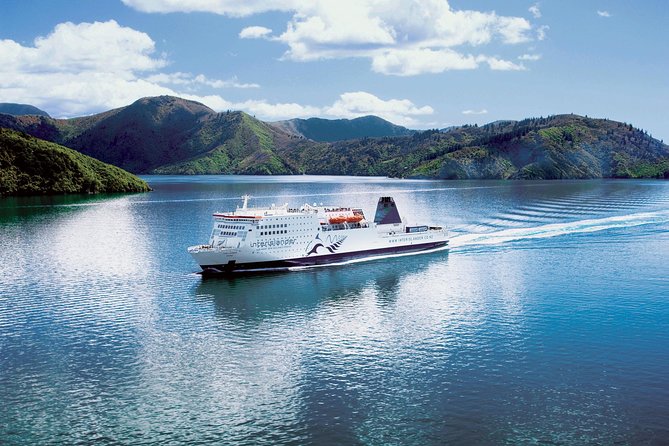
Most ferries are easy once you find the terminal flow. Picton is a little more physical than you might expect. The walk and the boarding route can involve stairs and ramps, so plan for that. If you’re traveling with rolling luggage, it’s still manageable—but go in ready to move.
Here’s the timing tip that saves headaches: allow extra time to check in. One trip went wrong for people who drove to Picton and didn’t notice they needed to be checked in 60 minutes before departure. That’s the kind of detail that turns a smooth day into a tense one.
After check-in, you may wait in a departure lounge area for about an hour. That means it helps to have an offline plan (book, downloaded podcasts, snacks you brought yourself if that’s your style). On board, there’s plenty to do, but the pre-boarding window can be long if you arrive too close to departure.
Queen Charlotte Sound to open water: what the 3.5 hours actually feels like
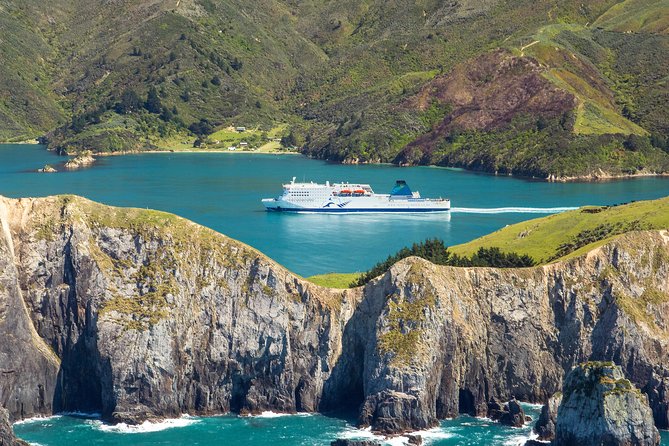
This crossing is really two different scenes in one.
The calm start in Queen Charlotte Sound
You begin with a cruise through Queen Charlotte Sound, where you’re surrounded by water and shoreline tucked among forested hills. It’s the “settling in” part of the ride. If you’re the type who likes slow travel—looking out instead of rushing to the next stop—this opening segment is why many people choose the ferry at all.
The Cook Strait portion: views, but expect the elements
Once you reach Cook Strait, the water opens up. That’s when the bigger horizons show up and the ferry becomes more of a true crossing. On smooth days you can get gorgeous deck time; on rougher or windier days you’ll feel it faster, and you’ll probably head inside more often.
One honest thing to plan for: this is not a guided sightseeing cruise with a narration and guaranteed wildlife. It’s a working ferry crossing. The views can be stunning, but they are mostly just “you’re in the right place at the right time,” especially when weather is clear.
Wellington arrival: landing near the city, then straight into Te Papa mode
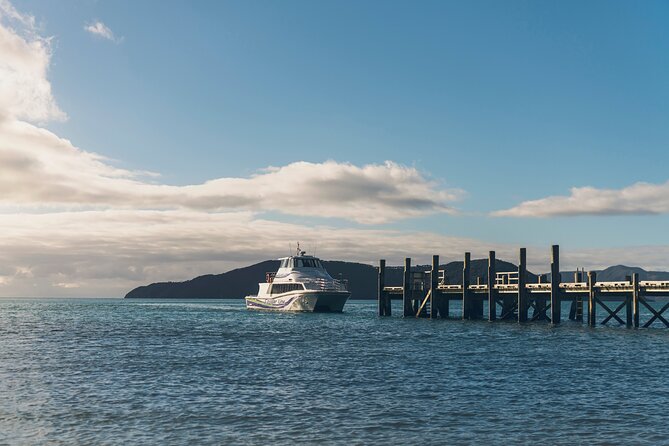
When you arrive, the destination is Wellington Ferry Terminal on Aotea Quay (Pipitea). That location is handy because Wellington is built for walking and short hops between attractions.
A big draw is that you can go from boat mode to city mode quickly. If you’re aiming for major sights, Te Papa Tongarewa Museum is right in the mix of the kind of attractions people connect their ferry arrival to. From there, it’s easy to roll into restaurants, shopping, and theatre planning.
If you want a simple approach: treat the ferry as the start of your Wellington afternoon or evening. You’ve already done the long travel step. Once you step off, you’re free to choose how fast you want to move.
On-board comfort: decks, lounges, movie screens, and kids spaces

The InterIslander fleet for this service includes two vessels: Kaitaki and Kaiārahi. Depending on which ship you’re on, you may find slightly different onboard features, but the overall setup is consistent.
Where to spend your time
You’ll have access to viewing decks, lounge areas, and observation spaces. The best strategy is to keep moving with the scenery: check out the open deck when the weather looks friendly, then retreat indoors when it turns cold or windy.
There are also kid-friendly touches like children’s play areas and a nursery, which makes the crossing easier for families who don’t want everyone trapped in seats for 3.5 hours.
Movie theatre and other extras
Some ships offer a movie theatre, plus cafes and a fast-food takeaway bar. On off-peak sailings, some facilities may have limited opening hours, so don’t assume every option is available at the exact time you’d like it.
Premium Lounge: comfort upgrade, with a few practical trade-offs
Premium Lounge shows up in the real-world decision-making for this crossing. People who book it often do it for a calmer, more comfortable seating setup and for an upgraded onboard experience.
That said, there are trade-offs. Some reports describe Premium Lounge as small with seating that isn’t ideal for everyone. There can also be extra attention to guidance for first-timers who aren’t sure where to go.
Also note the age rule: youths aged 17 and under are not permitted in Premium Lounge, and children aged 2 to 17 have a child rate. Kids 15 and younger must travel with an adult.
If you’re deciding between standard and Premium, I’d base it on your travel style:
- If you want more comfort and less wandering, Premium can be worth it.
- If you’re happy to move between decks and lounges, standard may feel just fine—especially on a clear day.
Food on the ferry: good options, plus coffee lines to plan around

Food and beverages are not included in the base fare. You can buy meals and drinks onboard through the cafes and bar areas, and there’s also fast-food takeaway service.
In practice, the food seems to land in the “solid and convenient” category. One tip worth taking: if coffee matters to you, plan around the possibility of long lines. It’s one of those simple logistical realities on sea crossings.
If you want to keep things easy, eat on board and use the crossing time as part of your day rhythm. That way you’re not trying to squeeze a meal into your first hours after arrival in Wellington.
What you can bring: baggage allowance and why it can affect your packing

This ferry is much easier if you pack with the baggage rules in mind up front.
Here’s what’s included:
- 2 × 23 kg baggage allowance per person (two items)
- Viewing decks access is included
- A key detail: the allowance is two items, not a single heavy bag with unlimited pieces.
There are also strict limits:
- An individual baggage item can’t exceed 23 kg
- And it can’t exceed 200 linear centimeters in size (height + length + width)
Bigger items (including backpacks) must be checked in at the Picton terminal, then picked up at the port of arrival via carousels. For safety reasons, weight limits have no exceptions, so weigh your main bags before you head to the terminal.
If you’re also considering a vehicle: the service supports traveling with a car, but bikes and sporting gear may have extra fees charged at the terminals.
Vehicles, bikes, and sporting gear: adding your next leg to the trip
InterIslander lets you travel either on foot or with a vehicle, using different ticket types based on what you need next in New Zealand.
For bikes and sports equipment, expect extra charges. The exact cost per item isn’t stated here, but the rule is clear: sporting gear and bicycles may incur a fee payable at the terminals.
If you’re bringing pets, kennels for traveling animals can be purchased at the terminal. (There’s also a limited number of kennels, so don’t wait until the last minute once you’ve committed to traveling with an animal.)
Weather, schedules, and why flexibility matters
This experience requires good weather. If the sailing is canceled due to poor weather, you’ll be offered another date or a full refund.
Even without cancellation, timing can shift. Some reports mention delays and even rescheduled departures. That’s not a reason to avoid the ferry—it’s a reason to keep your plan sensible around arrival and onwards connections.
One more practical note: onboard services like WiFi may not be reliable on some sailings. Plan as if you’ll be offline at least part of the time and bring reading material or downloaded entertainment.
Also, InterIslander has daily service between Picton and Wellington, but schedules can change without notice—so check your day before you leave.
Who this ferry suits best
This crossing is ideal if you want:
- A scenic, low-stress alternative to flying into Wellington
- A timed day trip without committing to a separate tour
- Comfortable onboard options for a 3.5-hour ride
It’s also a good fit for people who are driving the South Island and want a smooth transition to Wellington with their car. If you’re walking on, you’ll still enjoy the crossing, and you can treat Wellington as your reward after you arrive.
Families can work well here too, because there are kids play options and nursery space. Just remember the child rules around adult accompaniment and Premium Lounge access.
Should you book the InterIslander Picton to Wellington ferry?
Book it if you want your transportation day to count. This crossing gives you a real change of scenery: Queen Charlotte Sound to Cook Strait to Wellington Harbour, plus viewing decks and onboard comfort that make the time pass quickly.
Skip or reconsider if:
- You’re the kind of traveler who hates cold and wind and you only enjoy views from outdoors. Weather can change your experience.
- You’re very strict about food timing. Meals are available for purchase, and coffee lines can slow things down.
If your plan is flexible and you like the idea of trading airport hassle for a moving view, this is one of the most practical ways to connect the islands—and a surprisingly enjoyable way to arrive in Wellington.
FAQ
How long is the InterIslander ferry from Picton to Wellington?
The crossing takes about 3 hours 30 minutes (approximately).
How much does the Picton to Wellington ferry cost?
The price shown is $58.77 per person.
Can I travel with a vehicle or do I have to travel on foot?
You can choose either to travel with a vehicle or on foot, depending on the ticket type you select.
What baggage allowance is included?
You get 2 × 23 kg baggage allowance (two items). There are strict weight and size limits per item.
Is food included in the ticket price?
No. Food and beverages are available to purchase on board.
Are bicycles and sporting gear allowed?
Bicycles and sporting gear may be carried but can incur a fee, payable at the terminals.
Are service animals allowed on the ferry?
Yes, service animals are allowed.
Is smoking permitted inside the ship?
Smoking is not permitted inside the ship, apart from designated areas.
What happens if the ferry is canceled due to poor weather, or if I cancel?
The experience requires good weather. If canceled due to poor weather, you’ll be offered a different date or a full refund. Free cancellation is available up to 24 hours in advance for a full refund.