REVIEW · TARIFA
From Marbella: Tangier Day Trip with Ferry, Camel & Souks
Book on GetYourGuide →Operated by Lost in the Souk · Bookable on GetYourGuide
Tangier hits hard, even in a single day. I love the guided Medina for its real-world shop-and-cafe feel, and the camel ride along the Atlantic makes the day feel like more than just sightseeing.
The only big consideration is the pace: it’s a long day with walking on uneven streets and some uphill areas, so bring comfy shoes and keep your passport ready for the ferry.
In This Review
- Key things I’d circle
- From Marbella to Tarifa: the ferry link that sets the day’s rhythm
- Entering Tangier the right way: Ville Nouvelle and the European side
- The California District drive: palace views and fancy villas
- Into the green edge: eucalyptus, photo stops, and Cap Spartel’s big views
- Camel ride by the Atlantic: what you’re signing up for
- Kasbah District uphill: when alleys become a lesson
- Medina and souks by specialty: shop smarter with a guide
- Meals and pacing: what’s included, and how it feels at $648 per person
- Guide quality makes or breaks days like this
- Who should book this Tangier day trip (and who should skip it)
- Should you book this Marbella to Tangier day trip?
- FAQ
- FAQ
- What’s the total duration of the trip?
- Where are pickup and drop-off available?
- How do we get from Spain to Morocco?
- How long is the ferry ride?
- What time in Tangier is guided?
- What languages does the live guide speak?
- What meals are included?
- Is a camel ride included?
- Do I need a passport?
- Is the tour wheelchair accessible?
Key things I’d circle
- A private, guided day in Tangier with an air-conditioned minivan to move between neighborhoods
- Ville Nouvelle architecture + the California District: European planning on one side, palace-villa views on the other
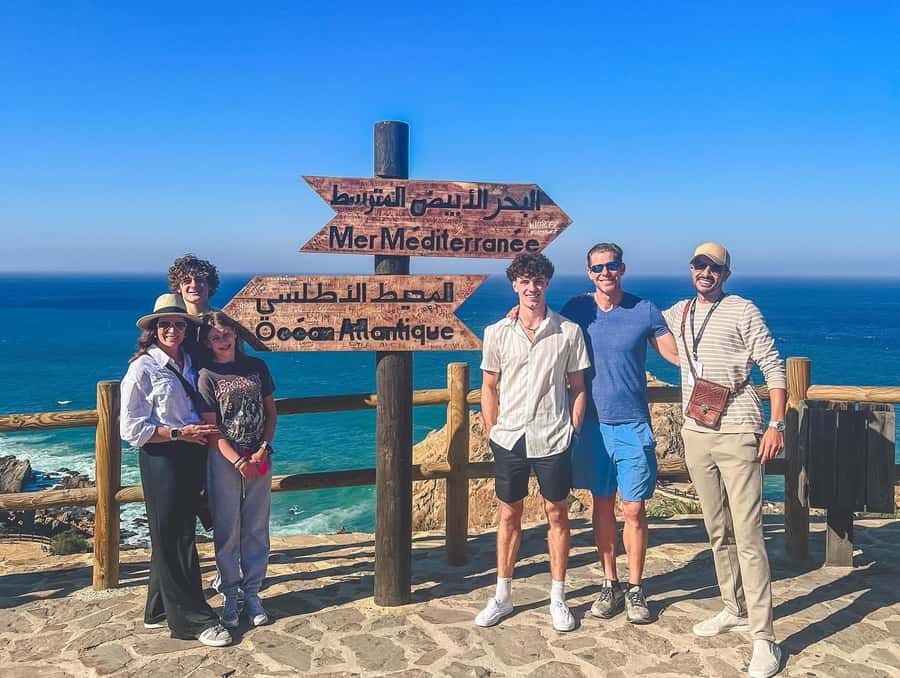
- Cap Spartel and the Atlantic coastline: forest drive, photo stop, then lighthouse views across to Spain
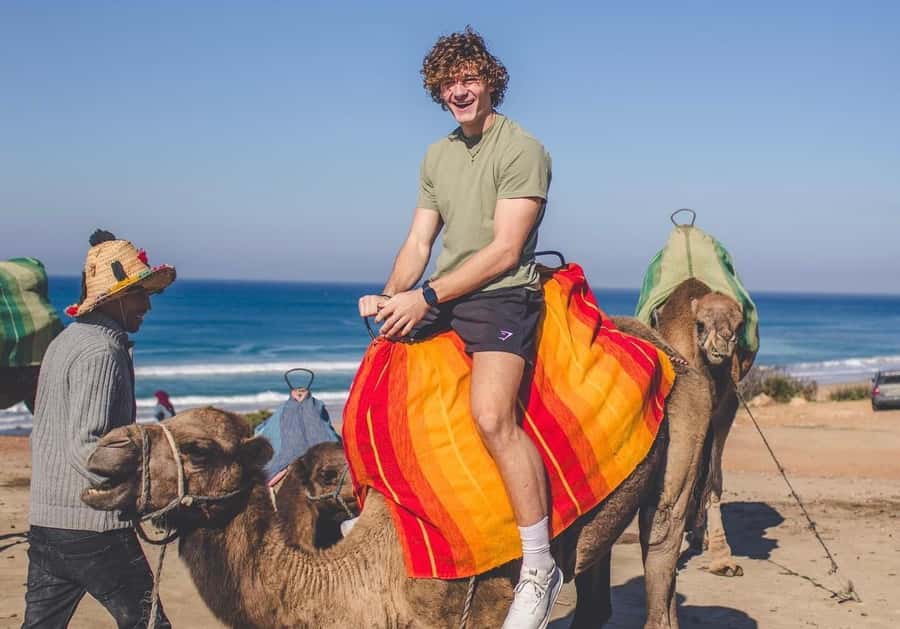
- Camel ride experience at the sea, with a scenic coast route before you head back uphill
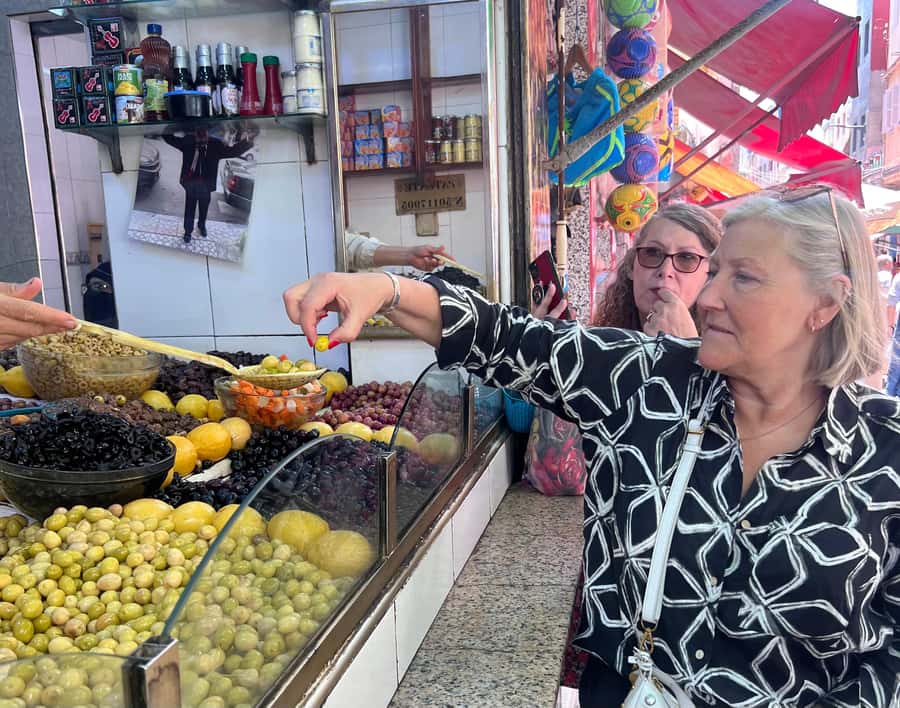
- Kasbah District alleys + Medina souks by specialty: spices, leather, olives, antiques, chandeliers, and more
- Strong guide energy: examples include Hamid and Mohammad, praised for charm and strong cultural explanations
From Marbella to Tarifa: the ferry link that sets the day’s rhythm
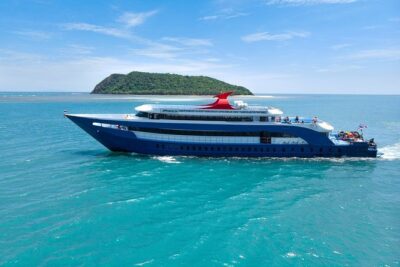
This trip is built around one simple idea: you get a full Tangier day without turning your whole schedule upside down. You’re picked up from your accommodation in Marbella (or Estepona), then driven to Tarifa for the ferry crossing to Morocco.
The ferry ride is about an hour each way, which matters because it keeps the day from feeling like pure travel. Once you arrive in Tangier, your guide meets you at the port and takes over right away, so you don’t waste time figuring things out on your own.
You should expect a fairly structured day. That’s the trade-off for having transport, guide, and tickets wrapped into one package. If you like wandering with no plan, you might find the schedule a touch firm—but if you want maximum Tangier in 10 hours, this format works.
Entering Tangier the right way: Ville Nouvelle and the European side
Tangier isn’t one vibe. It’s a city of contrasts, and the “Ville Nouvelle” is where that contrast becomes obvious. You’ll drive through this European-leaning part of town to see the architecture style and learn how the city grew into a meeting point of cultures.
This is where the guide explanations really pay off. You’re not just looking at buildings; you’re hearing how Tangier’s location and history shaped what people built and why. If you’ve ever wondered why Tangier feels half European in parts and wholly Moroccan in others, this is the section that makes it click.
There’s also a strong “living city” angle here. Your guide frames Tangier as a place where Muslims, Christians, and Jews have lived side by side, and that context changes how you read the streets—what you notice, what you ask, and what you’ll remember later.
The California District drive: palace views and fancy villas
Next comes the California District, a neighborhood known for its larger homes and sea-facing grandeur. You’ll pass by villas, mansions, and palaces, including the Royal Palace, while the scenery keeps shifting from architecture to viewpoint.
This part feels like a moving photo tour. You get the height, the ocean air, and a sense of how tangential Tangier can be to European minds—people often remember it for beauty, but the guide helps you also see the planning and status behind it.
A potential downside: if you’re hoping for long walking time between neighborhoods, this section is mostly driving. It’s designed for getting you efficiently from one “chapter” of Tangier to the next.
Into the green edge: eucalyptus, photo stops, and Cap Spartel’s big views
One of the most memorable pieces of the route is the drive west through a “spongy” forest mix—think eucalyptus, mimosa, cypress, and umbrella pine—followed by a winding, sea-sprayed road. It’s a change of texture from street level city life to something calmer and more open.
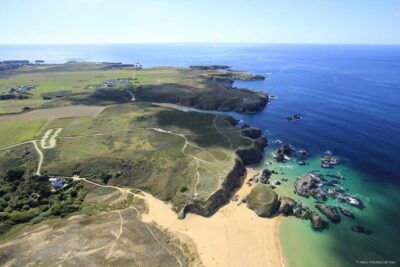
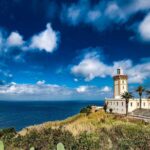
You’ll have a short break for pictures in Perdicaris Park, then continue on toward Cap Spartel, where the coast opens up against an ancient cliff. On the northwest point of mainland Africa, you get expansive views looking out toward the coast of Spain, with the lighthouse on the edge of everything.
This is one of those stops that’s simple but important. It gives you a geographic anchor for the whole day. By the time you’re back in the Medina and Kasbah later, you’ll understand the strait, the distance, and the sense of “two continents in one line.”
If it’s a windy or chilly day, plan accordingly. Coastal weather can change fast, even when Marbella feels warm.
Camel ride by the Atlantic: what you’re signing up for
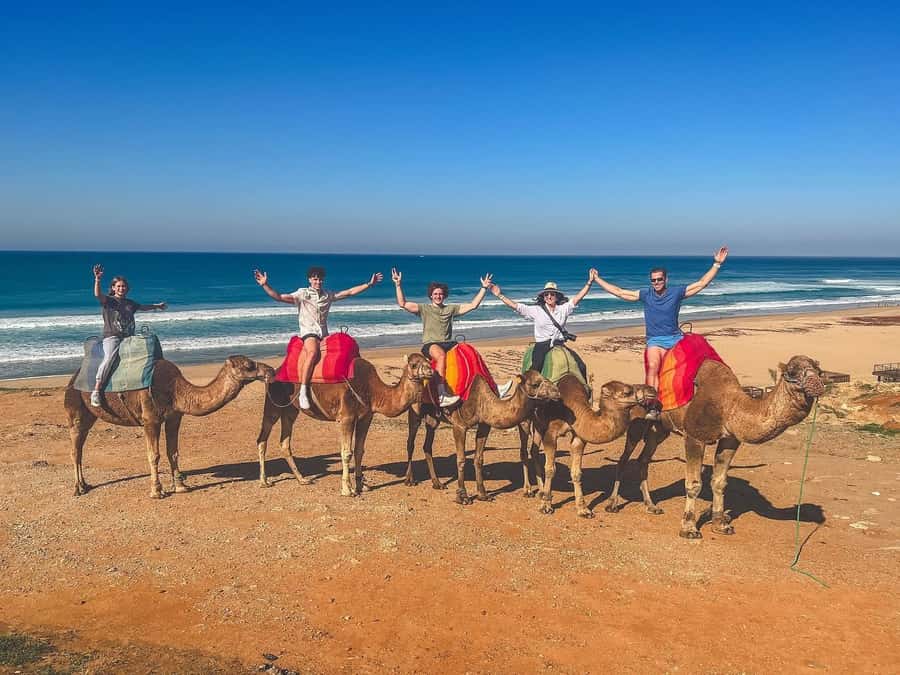
The camel experience happens along the Atlantic coastline. It’s not just a photo moment; it’s part of the story of how Tangier meets the sea. You’ll drive along the coast to the area where you enjoy the camel ride, then continue on afterward.
What to expect practically: the ride is included, but you’ll still want to treat this like an outdoors activity. Wear shoes with good grip because you’ll be on uneven ground around the riding area, and dress for weather because coastal conditions can shift.
The camel ride also breaks up the day nicely. After architecture, districts, and city streets, you get a physical, sensory contrast. It’s the kind of activity that turns “a long day of driving” into something you actually look forward to.
Kasbah District uphill: when alleys become a lesson
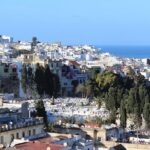
After the coastline, the route heads back into Tangier’s dramatic terrain with a drive to the Kasbah District. It sits uphill overlooking the Strait of Gibraltar, the Iberian Peninsula, and the Medina below, and that elevation makes it feel like you’re looking down into the city’s layers.
Then the tour turns into walking through intricate alleyways leading toward the Kasbah main square. This is where the guide’s role becomes more than logistics. Your guide explains Islamic religion and how architecture can be symbolic—so you’re not just moving from one pretty corner to another.
Even if you’re not the type to read history panels, you’ll still get value. The Kasbah is built uphill, shaped by defense, and organized around community movement. Understanding that “why” makes the maze feel purposeful instead of random.
Medina and souks by specialty: shop smarter with a guide
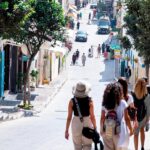
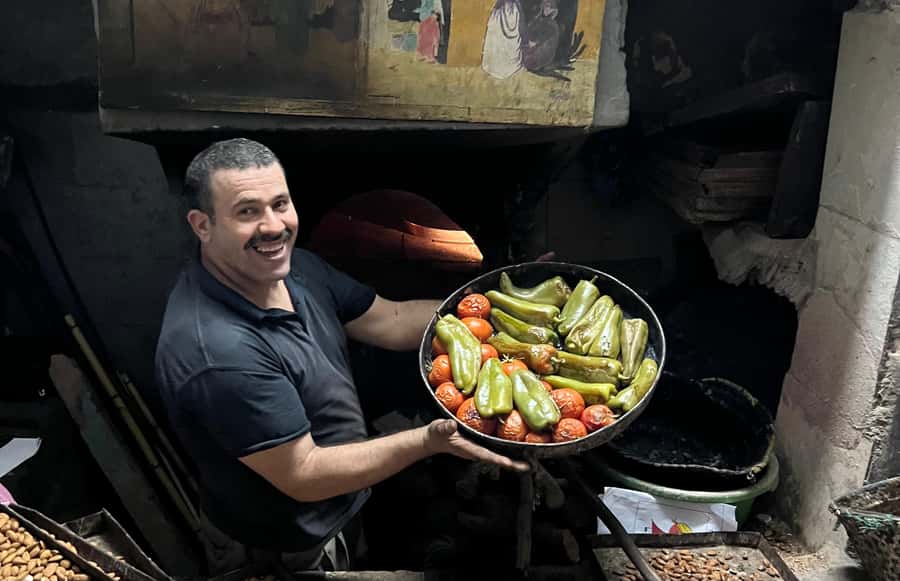
The Medina is where Tangier’s daily life shows up. You’ll explore with your guide through active streets with cafes and shops, and you’ll also see preserved heritage elements tied to local routines like communal ovens or bakeries, plus mosques and hammams.
One of the most practical parts: the souks aren’t just one long street of everything. They’re divided into sections by specialty—spices, antiques, vegetables, olives, leather, chandeliers, and more. With a guide, you can navigate this without guessing, and you learn what to look for depending on the neighborhood feel and the product.
This is also where I think the tour’s value shows up for shoppers. You’re not just being taken somewhere to browse. You’re being taught how the market is structured, which helps you avoid getting overwhelmed and helps you ask better questions.
You might also include a stop at the former American Legation, described as the first official overseas administration and a sign of long-established U.S.–Morocco diplomatic ties. Since it’s a “may include” item, don’t assume it’s guaranteed, but it’s exactly the kind of stop that gives the day more depth.
Meals and pacing: what’s included, and how it feels at $648 per person
You get breakfast in Tangier and lunch included, plus ferry tickets, round-trip transfers, air-conditioned transport inside Tangier, a personal guide, and the camel ride experience. The day also includes two ferry crossings—about an hour each—handled in a way that keeps you from doing DIY scheduling across borders.
So why does the price land at $648 per person for a 10-hour private-group day? In simple terms: you’re paying for convenience and time protection. Crossings, local guiding, and vehicle time inside Tangier are the kinds of things that cost more when you build them separately, especially if you want a coherent route like this (European districts, Atlantic coastline, Kasbah and Medina in one flow).
In a private group, the guide can also tailor pacing to your interests—more walking in the Medina if you want it, more vehicle time if you need breaks. That’s a hidden value that group-to-group tours often can’t offer.
The “feels like” reality: it’s a full day, not a relaxed half-day. If you hate being on a timeline, you might feel rushed during the transitions. If you like an efficient, curated route with real time for walking and photos, you’ll probably feel satisfied by the end.
Also note: the tour is not suitable for wheelchair users, and the streets involve uneven terrain and some uphill movement. If mobility is limited, you’ll want to rethink this one.
Guide quality makes or breaks days like this
Tangier can be confusing if you show up with only a map and no context. That’s why your guide matters so much here—especially for the Medina and Kasbah segments.
One positive signal from the guide-style examples shared for this experience: guides such as Hamid and Mohammad are praised for charm and a strong command of cultural and social life in Morocco and specifically Tangier. When a guide can explain how people live, shop, and worship, you don’t just watch the city—you understand the city’s logic.
You’ll also have language options: Arabic, English, and Spanish. That’s not a tiny detail. Shared language makes it much easier to ask follow-up questions in the moment instead of waiting until later.
Who should book this Tangier day trip (and who should skip it)
Book it if you want a structured Tangier snapshot that still includes the kind of experiences you can’t replicate easily on your own: a guided Medina route, a Kasbah walk with architectural explanations, and an Atlantic camel ride.
It’s also a good pick if you’re visiting the Costa del Sol and want a different day without committing to an overnight stay. You get European-style districts, coastal viewpoints, and local market neighborhoods all in one day.
Consider skipping or choosing something more flexible if:
- you need minimal walking and smooth sidewalks
- you dislike schedule-heavy travel days
- you want “free wandering” with no guidance
If you’re somewhere in between—curious but practical—this hits a sweet spot.
Should you book this Marbella to Tangier day trip?
I’d recommend it if you want Tangier with a plan and a guide, not Tangier as a puzzle. The mix of neighborhoods (Ville Nouvelle, California District, Cap Spartel, Kasbah, Medina) gives you a full picture of how the city shifts from European-influenced zones to steep old-town lanes, then back out to the sea.
It also makes sense for value if you count what’s included: ferry tickets, round-trip transfers, air-conditioned transport in Tangier, a personal guide, breakfast and lunch, and the camel ride. The day is priced like a “whole solution,” not a DIY add-up.
If you’re fit for some walking and you can handle a long day, this is the kind of trip that leaves you with clear images and better questions about what you’re seeing.
FAQ
FAQ
What’s the total duration of the trip?
The trip runs about 10 hours total.
Where are pickup and drop-off available?
Pickup and drop-off are offered at accommodations in Marbella and Estepona.
How do we get from Spain to Morocco?
You’ll drive from Marbella (via Tarifa) to the port, take a ferry to Tangier, and then return by ferry to Tarifa.
How long is the ferry ride?
The ferry ride is about 1 hour each way.
What time in Tangier is guided?
You’ll have a guided sightseeing portion in Tangier lasting about 6 hours.
What languages does the live guide speak?
The guide speaks Arabic, English, and Spanish.
What meals are included?
Breakfast in Tangier and lunch are included.
Is a camel ride included?
Yes, the camel ride experience is included.
Do I need a passport?
Yes. A passport is required for ferry travel.
Is the tour wheelchair accessible?
No, it is not suitable for wheelchair users.