REVIEW · AUCKLAND
Auckland: Tiritiri Matangi Island Ferry
Book on GetYourGuide →Operated by Explore Group New Zealand · Bookable on GetYourGuide
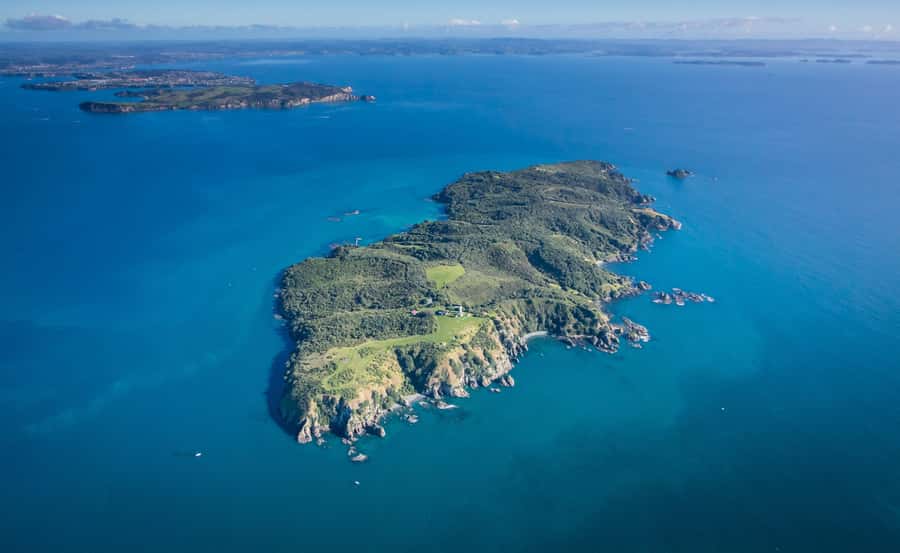
Birdsong hits fast on Tiritiri Matangi. This Auckland-area ferry ride lands you on a pest-free island sanctuary where native species like kōkako, tīeke/saddleback, and tuatara can show up while you walk, with the oldest working lighthouse in New Zealand as a real anchor point. Two things I like most are the way guides (including Vishnu, Malcolm Pullan, Tina, and Anne) help you spot and understand birds, and the chance to roam regenerating forest tracks that lead to quiet beaches; one catch is that there are no shops on the island, so you need to bring lunch and snacks.
The schedule is tight but doable: about 5–9 hours total, depending on whether you start from central Auckland or Gulf Harbour. If you’re short on time in Auckland, this is one of the easiest ways to get into a real native wildlife recovery story without extra driving.
In This Review
- Key highlights worth planning around
- Hauraki Gulf cruise to a true wildlife sanctuary
- Getting there: Auckland Viaduct vs Gulf Harbour start
- The ferry ride itself: comfortable, scenic, and practical
- Once you land: walking tracks through regenerating forest
- Bird sightings: where guides make the difference
- The oldest working lighthouse in New Zealand
- Beaches for swim and snorkel: quick planning that pays off
- The part that can be rushed: island time and track choices
- Price and value: what you’re actually paying for
- What to pack (and what not to do)
- Who this day trip suits best
- Should you book Auckland: Tiritiri Matangi Island Ferry?
Key highlights worth planning around
- New Zealand’s oldest working lighthouse on Tiritiri Matangi
- 80-minute Hauraki Gulf cruise (or ~25 minutes from Gulf Harbour) each way
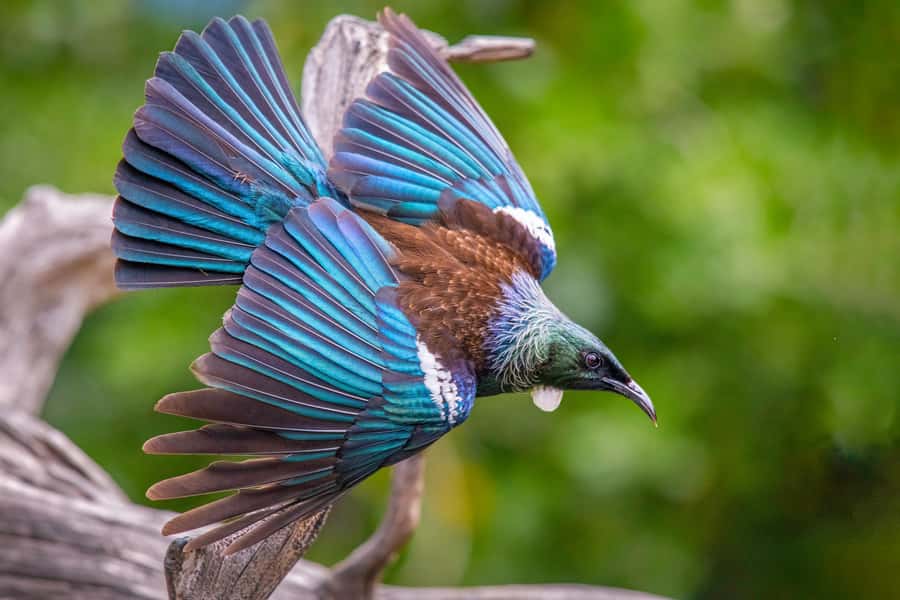
- Pest-free conservation sanctuary with native species you rarely see around Auckland
- Bird-focused guidance from English-speaking guides like Vishnu and Tina
- Beaches for swim or snorkel: bring swimwear and a towel
- Regenerating native forest walks with cliff-top viewpoints and quiet side tracks
Hauraki Gulf cruise to a true wildlife sanctuary
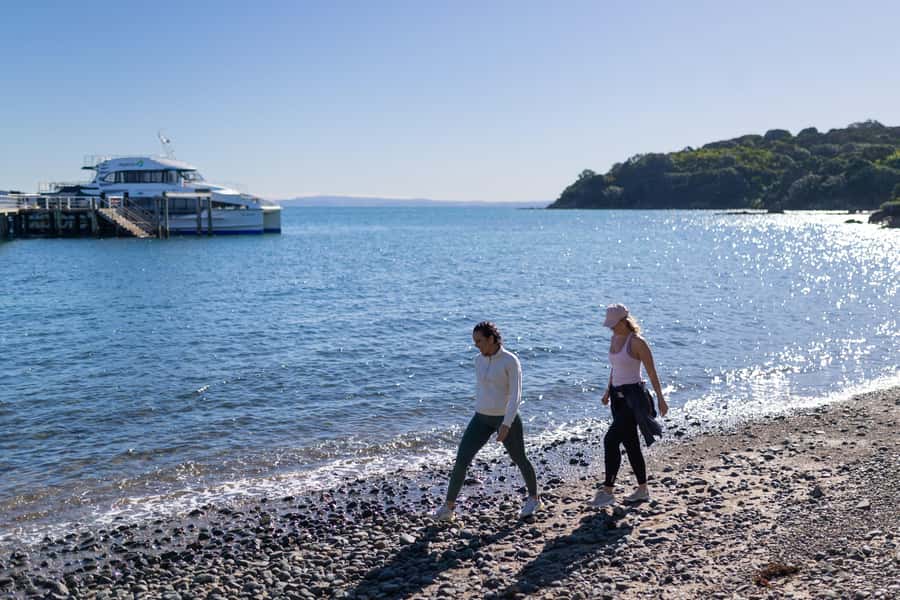
The best part of this trip is that it doesn’t feel like a sightseeing checkbox. You take a ferry through the Hauraki Gulf and land in an island sanctuary that’s been managed to protect native wildlife from pests. That matters because the island is specifically set up as a safe haven, so the odds of seeing rare birds are much better than in the mainland parks around Auckland.
On the water, the cruise is more than transport. You’re crossing Tikapa Moana (Hauraki Gulf), and you get the sense you’re heading away from city life even though you’re still close enough for a day trip. A lot of people also enjoy the practical comfort on board—there’s a bar for drinks and snacks, and you can spread out inside or outside depending on the weather.
Getting there: Auckland Viaduct vs Gulf Harbour start
You basically have two “front doors” to the same island day.
If you depart from Auckland, you check in at the Explore Booking Kiosk (diagonally opposite the Maritime Museum) and then ride the ferry from the Viaduct area. If you depart from Gulf Harbour, you meet at the top of the ramp at Gulf Harbour Ferry Terminal. The Gulf Harbour start is shorter—roughly 25 minutes to the island—so it’s a nice option if you want the island time to feel less rushed.
Timing is built around set departures. On Wednesday to Friday, Auckland departures are at 9:00am, with a Gulf Harbour connection at 9:55am, arriving at Tiritiri Matangi at 10:20am. Departing the island is 2:40pm, reaching Gulf Harbour around 3:05pm, and returning to Auckland by 4:00pm. On Saturday, Sunday, and public holidays, it’s 8:30am from Auckland (arrive 9:50am), then you return by 5:20pm.
This matters because you’re not just buying a ferry ticket—you’re buying a chunk of day you’ll spend mostly outdoors, on foot, in a place that rewards slow observation.
The ferry ride itself: comfortable, scenic, and practical
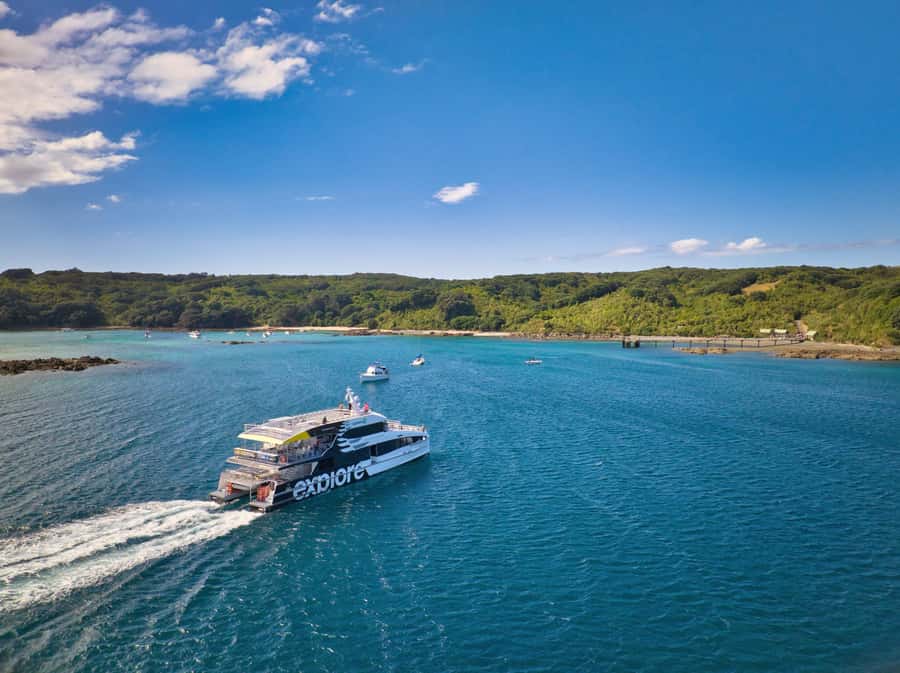
The cruise segments are about 80 minutes each way when you start in Auckland, or about 25 minutes each way if you start in Gulf Harbour. Either way, the trip is designed so you’re not stuck rushing paperwork or transfers. You simply check in, board, and enjoy the sea crossing.
Two practical tips help:
- Arrive early. The guidance is to get to the departure point about 30 minutes before departure so you’re not playing catch-up if lines form.
- Bring a layer. Wind and sea weather can change quickly in the Gulf, and at least one real-world account called the ferry windy (though still smooth).
If you like having options, the ferry’s bar for drinks and snacks is useful—especially since the island doesn’t have food outlets.
Once you land: walking tracks through regenerating forest
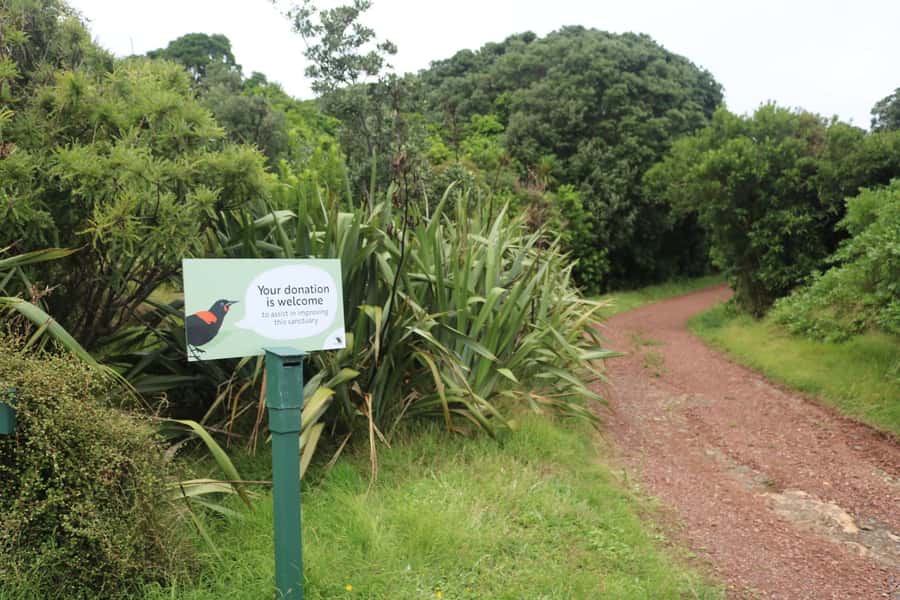
When you arrive at Tiritiri Matangi, the day shifts from “ride” to “wander.” You get access to the island’s walking tracks, and the island is known for regenerating native forest, dramatic views from cliff-top areas, and quiet beaches where you can reset your brain after birdwatching.
The island’s recovery work isn’t just a story—it shows up in what you experience. The goal is a pest-free environment, and that’s why native birds can survive and breed here. For you, the payoff is simple: you’re walking through an ecosystem that’s actively being restored rather than just admired from a distance.
You’ll also see why this island is famous locally: some of the species that can be hard to spot around Auckland in general have solid chances here. The list you’ll want in the back of your mind includes kōkako, tīeke/saddleback, and tuatara. Depending on your luck that day, takahē is a species many people hope to see, and it’s one of the reasons bird lovers book this trip first.
And yes, the tracks are “easy” in the sense that this is an island built for exploring on foot—but don’t treat it as a casual stroll. The island has real walking routes, and some folks find it tiring if they have ankle or mobility limitations. Also, this trip isn’t suitable for wheelchair users.
Bird sightings: where guides make the difference
On paper, this trip sounds like a self-paced nature walk. In practice, the human guidance is a big part of the value. A strong English-speaking guide changes your day from seeing birds to understanding why you’re seeing them.
Guides such as Vishnu are known for turning a walk into a living lesson—bird calls, native plants, and the island’s conservation story all tied together while you’re actually on the tracks. Others like Malcolm Pullan or Tina bring deep bird and plant knowledge and keep the group moving as a unit, so you’re not constantly lagging behind when someone spots a bird.
What that means for you: you’ll spend less time guessing, and more time looking where it counts. If you’re hoping for better sightings, arrive with a camera ready, but also be willing to stop. Birdwatching here works when you pause and listen, not just when you speed up for photos.
One small detail that shows how the island is set up: you may get extra chances to spot birds around feeders and a bird bath areas, and that can be a good strategy when the morning is active but you’re missing certain species.
The oldest working lighthouse in New Zealand
You’re not going to this island just for birds—one of the standout sights is the oldest working lighthouse in New Zealand. It gives the day a different kind of focus: maritime history that’s still actively part of the landscape of the island.
Even if you’re not a lighthouse person, this stop works because it’s physical and specific. You can orient yourself around it, and it breaks up the day so you’re not only in “walk, listen, repeat” mode. It’s also one of the places where the island feels most like it’s been charted by humans over time.
Beaches for swim and snorkel: quick planning that pays off
Tiritiri Matangi has quiet sandy beaches, and you get time to enjoy them—if you brought the right gear. The activity specifically encourages swim or snorkel, so don’t show up thinking you’ll just watch from shore.
Bring:
- Swimwear
- Towel
- Sunscreen and a hat
Since the island has no shops or food outlets, it’s smart to plan your beach time with your snack timing too. Pack your lunch in a sealed container and keep it easy to grab, because you don’t want to waste your best sun hours fumbling around.
One more practical point: watch your footwear. Comfortable shoes are the core recommendation because you’ll be walking tracks, but if you’re going into beach zones, you’ll want to make sure you can safely move between tracks and sand.
The part that can be rushed: island time and track choices
This trip is a day trip, so there’s always a trade-off between “see a lot” and “move slowly.” In real life, many people love the walks but wish they had longer. That’s not a flaw with the island; it’s just the nature of a ferry schedule.
So choose your pace. If you love wandering, aim to step off the main routes for quieter stretches, then return to the core trails when you want more frequent bird action. If you prefer clarity, stick to the better-signed paths and follow guide directions closely.
There’s also a practical navigation note worth taking seriously. One person found the Hobbs Beach / Hobbs Track area confusing, missing part of the beach route and ending up on a steeper climb back toward Ridge Road. The fix is easy: slow down there, check signage carefully, and if anything feels off, ask your guide rather than trying to “hero” it on your own.
Price and value: what you’re actually paying for
At $65 per person, this isn’t the cheapest ferry day from Auckland. But it tends to feel worth it because so much of the cost supports real conservation and a guided wildlife experience.
Here’s how the value stacks up:
- You get a guided day plus access to walking tracks, not just a boat ride.
- You’re paying for a conservation-led setting where native species can live in a way they can’t easily elsewhere near Auckland.
- You also get beach time plus the chance to see the oldest working lighthouse.
You do need to cover a key cost yourself: food and drinks. There are no outlets on the island, so you should budget for a packed lunch and snacks. The ferry’s bar can help with drinks and small snacks, but you shouldn’t plan on buying meals once you’re ashore.
If you’re the kind of traveler who enjoys nature, birds, and understanding how places like this get restored, this price often feels like a fair trade.
What to pack (and what not to do)
Good packing makes this day smoother. I’d treat this like a mini hike day plus a beach break.
Bring:
- Comfortable shoes
- Hat and sunscreen
- Swimwear and towel
- Camera
- Snacks and water
- A way to keep everything sealed (especially food)
Also follow the rules on site:
- No smoking
- No drones
- No bikes
- No littering
- Don’t feed animals
- Don’t touch plants
These aren’t just petty restrictions. They protect the pest-free environment and the fragile restoration work that makes sightings possible.
Who this day trip suits best
This is ideal if you:
- Love native wildlife and want a day that’s about living ecosystems, not just photos
- Enjoy guided interpretation, especially bird and plant explanations
- Want an Auckland-area adventure that stays close to the city but doesn’t feel like city sightseeing
It’s also a strong option for birdwatchers who care about species like kōkako, tīeke/saddleback, and tuatara. People often describe the island as peaceful and serene, and that calm is part of the appeal.
It may not suit you if you:
- Need wheelchair access (it’s not suitable for wheelchair users)
- Want a super-low-walking day
- Dislike bringing your own food and snacks
Should you book Auckland: Tiritiri Matangi Island Ferry?
I’d book it if you want a high-impact day trip with a clear focus: native birds, restored forest, a working lighthouse, and the option to swim. The bird sightings and the guide-led explanations are the real engine of the experience—people remember the moments when a tuatara shows up, or when bird calls suddenly make sense because someone is pointing them out.
Book it with one realistic expectation: it’s a day trip, so plan to walk, stop, and listen, but also accept that you won’t see everything. If you pack a lunch, wear solid shoes, and arrive early enough to get settled, you’ll get a calm, nature-heavy escape that feels a lot farther than the ferry suggests.
If that’s your style, this is a strong choice from Auckland.