REVIEW · VANCOUVER ISLAND
One-Way High-Speed Passenger Ferry: Victoria, BC to Seattle, WA
Book on Viator →Operated by FRS Clipper · Bookable on Viator
The water does the work for you. A fast, passenger-only ride that links Victoria’s Inner Harbour to downtown Seattle with big views and minimal fuss. I love how simple the logistics feel once you’re checked in, and I also like that you can choose Economy or Vista-style upper-deck seating for better scenery. One thing to plan for: you’re limited to one small carry-on, and checked luggage costs extra each way.
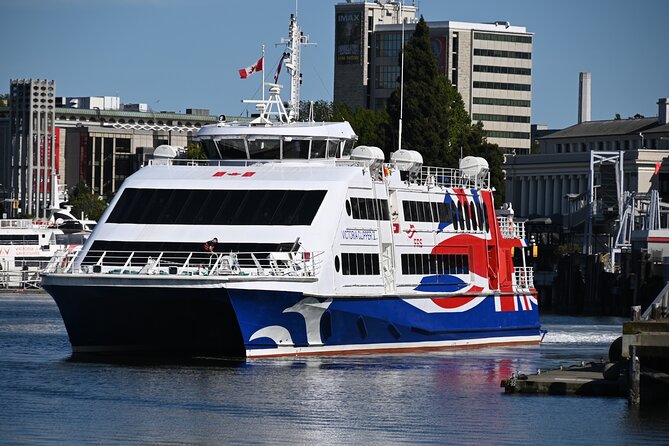
You’ll board the Clipper at Victoria’s Inner Harbour, settle into roomy seats, and ride through the Gulf Islands and Puget Sound before landing at Seattle’s Pier 69. You get onboard options like duty-free shopping and a food and drink menu you can buy from. And yes, you should expect it to be fast. That’s the point.
In This Review
- Key Things I’d Mark on Your Map
- Checking In at Victoria’s Inner Harbour (254 Belleville St.)
- Economy vs Vista Seating: Your Views Start Before You Leave
- The 3-Hour Crossing: Gulf Islands to Puget Sound to Strait of Juan de Fuca
- What You Can Do Onboard: Duty-Free and Food You Buy
- Arrival at Seattle Pier 69: You’re Dropped in the Right Place
- Border Paperwork You Can’t Skip (and Common Mistakes to Avoid)
- Luggage Rules: What’s Included and What Costs Extra
- Timing, Booking Pace, and the Real-Life Schedule Reality
- Price and Value: Is $136.50 Worth It?
- Who This Ferry Fits Best
- Should You Book This One-Way Victoria to Seattle Clipper Ferry?
- FAQ
- FAQ
- How long is the one-way ferry from Victoria to Seattle?
- Where do you depart from in Victoria?
- Where does the ferry arrive in Seattle?
- Is this ferry for passengers only?
- What’s included in the ticket price?
- What luggage can I bring?
- Can I bring a bike or a dog?
- What ID do I need to cross the border?
- Is there food or drinks onboard?
- Is there a cancellation option?
Key Things I’d Mark on Your Map
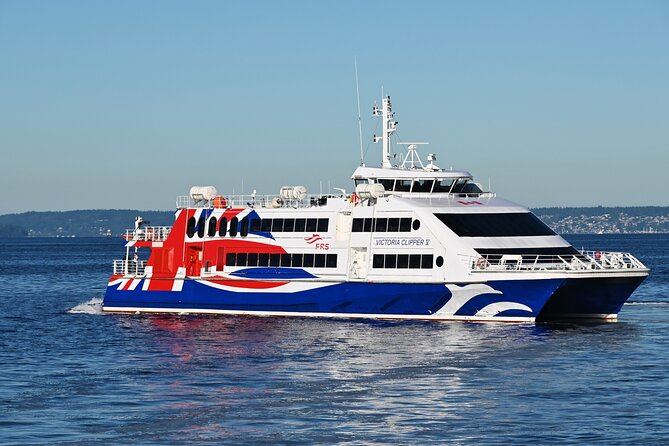
- Downtown Seattle drop-off at Pier 69 (right on the waterfront, close to other plans)
- About 3 hours on the water, so it’s a real alternative to driving stress
- Economy Class seats included, with an option to upgrade to Vista/Comfort seating
- Duty-free shopping plus a purchasable food and drink menu onboard
- Limited luggage rules: one small carry-on included; checked bags cost extra
Checking In at Victoria’s Inner Harbour (254 Belleville St.)
Your day starts at Victoria’s Inner Harbour area, at 254 Belleville St. That’s the key detail: you’re not hunting for some faraway terminal in the sticks. You’ll check in, then board the Clipper.
This is a passenger-only ferry. No cars, no autos, no vehicle transfer. So if you’re thinking about bringing a lot of gear like you would with a road trip, shift your mindset to a carry-on-friendly trip. The included baggage is intentionally light: one small carry-on item.
The ship is wheelchair accessible, and you’ll find the staff ready to guide you through boarding and disembarking. I’d still recommend arriving with a bit of buffer time, especially if you’re traveling with anything out of the ordinary (more on that below).
Economy vs Vista Seating: Your Views Start Before You Leave
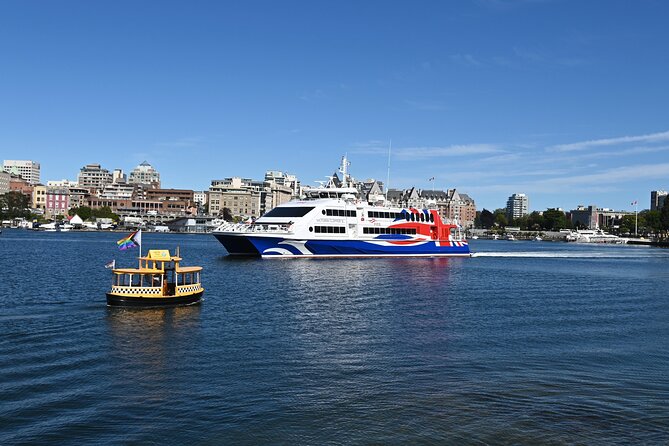
You have two main ways to sit for this one-way crossing:
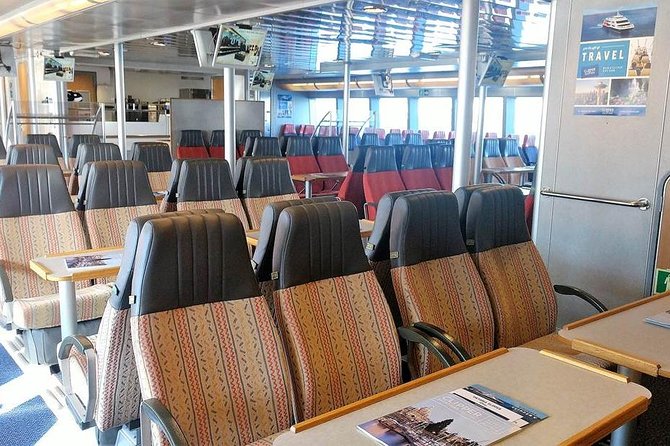
- Economy Class seating is included. You’ll be in the main cabin area.
- Vista Class (upper deck) is available as an upgrade. These seats tend to mean better scenery.
Why this matters in real life: on a high-speed ferry, you’re going to spend a lot of your trip looking out the windows or taking a short walk on deck. So if you care about views, picking the upper deck can be a worthwhile upgrade. If you don’t care about the “best seat” factor and just want comfortable speed, Economy does the job.
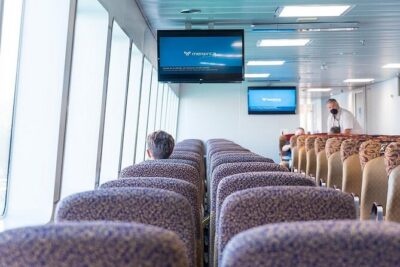
Also note how the seating experience is described: seats are comfortable, the boat feels spacious, and the upper deck is popular for obvious reasons (you’re closer to the open air and angles for looking out). If you’re traveling with people who want different priorities—some for photos, some for just relaxing—upgrading can help reduce the “who gets the window” argument.
One practical note: you’ll also see there are small conveniences onboard that make the ride easier, like clean bathrooms and seating setups that can include tables in some areas. That’s a big deal when your trip is fast and you want to stay comfortable for most of the journey.
The 3-Hour Crossing: Gulf Islands to Puget Sound to Strait of Juan de Fuca
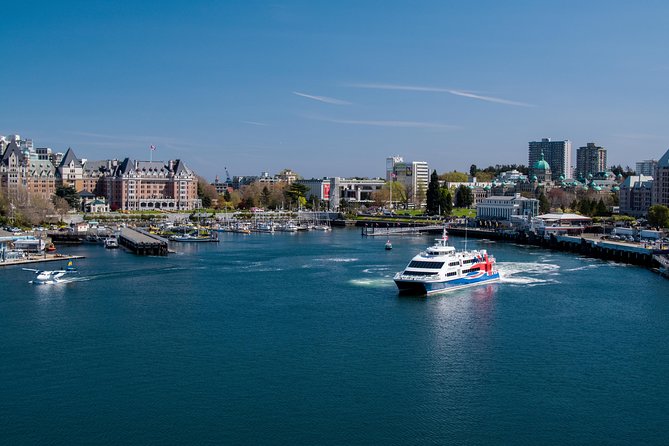
Once you pull away from Victoria, the ride is about one thing: getting to Seattle fast while watching the coast do its thing.
You’ll sail past:
- Gulf Islands
- Puget Sound
- Strait of Juan de Fuca
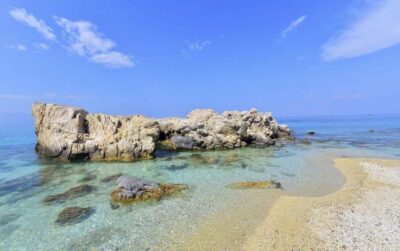
The route is scenic in a way that feels different from driving. Cars give you roadside stops. The ferry gives you continuous movement plus big “left side / right side” views as scenery slides by.
On timing, think in terms of about 3 hours end-to-end. That’s long enough to plan food or duty-free browsing, but short enough that you won’t feel stuck. It’s also why this works as a bridge trip—especially if you’re trying to connect other plans in both cities.
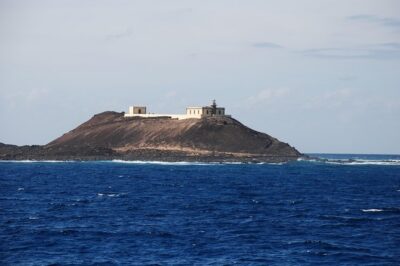
And yes, you may get lucky with wildlife. Some sailings include sightings like pods of whales during the crossing. You can’t bank on that, but it’s a real possibility on the waters you’ll be traveling through.
What You Can Do Onboard: Duty-Free and Food You Buy

This ferry is more than a seat-and-stare commute. You’ll have a chance to browse duty-free shopping onboard. It’s not meant to turn your crossing into an all-day mall run. But if you like picking up a small item (or just enjoy the novelty), it’s there.
Food and drink are available to purchase. The menu is described as offering locally sourced foods and drinks. So you can plan your comfort based on what you like:
- If you get hungry, plan to buy something onboard.
- If you prefer to eat before you board, you can treat the crossing like a smooth travel window.
A heads-up from real-world experiences: many people find the food options and drinks “pretty darn good,” and the onboard galley/bar area is part of the relaxing vibe. The boat is also set up so you can keep moving around a bit without feeling like you’re trapped.
Arrival at Seattle Pier 69: You’re Dropped in the Right Place
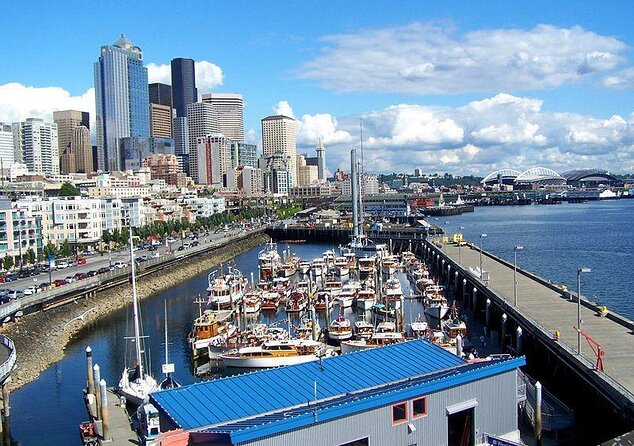
You’ll reach Seattle at Pier 69, with the Clipper terminal address listed as 2701 Alaskan Way, Seattle, WA 98121.
This matters because it’s the waterfront area and close to other choices for your next step. You’re not ending in a remote area that forces a long transfer. You can continue your day with city connections quickly.
That said, disembarking can still mean you’ll need to find your own way to your final destination. One common frustration is that leaving the pier can feel like it’s not perfectly placed for every hotel. So I’d plan on using local options—especially since the ferry terminal is described as near public transportation.
Also, the border process on arrival can be a slow moment. Customs can take time at Seattle, so don’t build a “must be somewhere exact” plan for the next hour unless you enjoy stress as a hobby.
Border Paperwork You Can’t Skip (and Common Mistakes to Avoid)
Crossing between Canada and the U.S. means your documents matter. For this route, you need one of these:
- US Passport
- US Passport Card (works for land/sea border crossings, not for air travel)
- Enhanced Driver License (EDL/ID) (also limited to land/sea, not air)
Also, the same idea applies in the other direction: you must have correct passport-level identification for border crossing by land and sea. The data also notes that a passport is required for air travel, and Passport Card/EDL/ID aren’t valid for air travel.
A big practical warning: when you book, you must provide your citizenship and your full name and date of birth exactly as they appear on your passport. Your booking cannot be confirmed without these details.
If your documents are in checked luggage, that can create a scramble. There’s a real example of staff helping when someone realized passports were packed away—so don’t assume you’ll be so lucky. Keep passport documents accessible.
Luggage Rules: What’s Included and What Costs Extra
Here’s the part that surprises most people—until they read it.
Included:
- One small carry-on item per passenger
Not included:
- Checked luggage is $20.00 per piece each way (so yes, the cost is round-trip if you check bags both ways)
The ferry also allows bringing one piece of luggage onboard, but the carry-on is the key included benefit. If you tend to travel with a “big bag energy” style, consider switching to a smaller setup for this leg.
You may also run into restrictions with certain items:
- Bikes and dogs have restrictions.
- If you need to bring a bike or a dog, you must advise at booking.
And because some people expect a car-ferry experience: again, this is passenger-only, so there’s no vehicle storage. Plan your gear accordingly.
Timing, Booking Pace, and the Real-Life Schedule Reality
This one-way ferry runs multiple departure times throughout the day. So you can usually find a sailing that fits your itinerary rather than forcing a single choice.
Booking pace: the service is typically booked about 45 days in advance on average. That suggests it’s popular enough that waiting too long could shrink your options—especially if you’re picky about seat category or departure time.
One practical tip: schedules can shift. If your travel date is close, I’d double-check the timing on your confirmation and any updates you receive. It’s not about expecting disaster. It’s about preventing a stupid day-of surprise.
Also, double-check what you booked. Seat upgrades exist, and misunderstandings can happen around seat category. If you want upper-deck Vista/Comfort, make sure that’s reflected clearly in your booking before you arrive.
Price and Value: Is $136.50 Worth It?
At $136.50 per person for a one-way crossing (about 3 hours), you’re paying for three types of value at once:
- Time savings vs driving (and avoiding the full road-trip rhythm of stoplights, routes, and border stress).
- Convenience: you go from Victoria’s Inner Harbour to a Seattle waterfront pier in one jump.
- Included basics: Economy seating, GST, fuel surcharge, and your carry-on are included.
In plain terms: you’re not buying luxury. You’re buying efficiency with pleasant scenery and a comfortable ride.
Upgrades are extra. So if your budget is tight, stick to Economy and spend the difference on a good meal once you land in Seattle. If you care about views and want the ride to feel more like a mini-vacation, upgrades can be money well spent.
Who This Ferry Fits Best
This ferry is a strong fit if you:
- Want a car-free way between the two cities
- Like the idea of seating comfort + big views
- Are traveling with a single carry-on mindset
- Want a straightforward border crossing that’s designed for passengers
It’s also a good option if you value organization. The experience is described as smooth, with helpful staff and clean facilities.
It may be less ideal if you:
- Need to bring a lot of checked luggage
- Are traveling with items that require special handling (bikes or dogs)
- Have a super tight schedule immediately after arrival, because customs timing can add delay
Should You Book This One-Way Victoria to Seattle Clipper Ferry?
I’d book it if your priority is a fast, easy connection with scenic payoff and minimal hassle. For the price, the combination of included seating, a carry-on, and a downtown Seattle arrival makes it practical—not just pretty.
I wouldn’t book it if you need lots of luggage or you’re the type who plans a “minute-by-minute” schedule right after crossing the border. Build in slack. Give yourself time to get through arrival formalities, then enjoy Seattle once you’re actually there.
If you do book, set yourself up for a smooth day: keep passport documents handy, confirm your seat level if you upgraded, and travel with a carry-on-first strategy. Then you’ll get what this ferry is best at—speed, comfort, and a very scenic few hours on the water.
FAQ
FAQ
How long is the one-way ferry from Victoria to Seattle?
It’s approximately 3 hours for the crossing.
Where do you depart from in Victoria?
You start at 254 Belleville St., Victoria, BC V8V 1W9 at the Inner Harbour area.
Where does the ferry arrive in Seattle?
The ferry docks at Pier 69, located at 2701 Alaskan Way, Seattle, WA 98121.
Is this ferry for passengers only?
Yes. This is a passenger-only ferry, and autos/vehicles are not allowed.
What’s included in the ticket price?
The included items are one-way ferry transportation, fuel surcharge, GST, Economy Class seating, and a carry-on.
What luggage can I bring?
You’re allowed one small carry-on item. Checked luggage costs $20.00 per piece each way.
Can I bring a bike or a dog?
There are restrictions for both bikes and dogs, and you need to advise at booking if you plan to bring either.
What ID do I need to cross the border?
A US Passport, Passport Card, Enhanced Driver License, or Enhanced ID (EDL/ID) is required for border crossing by land and sea. A passport is required for air travel (and Passport Card/EDL/ID are not valid for air travel).
Is there food or drinks onboard?
Yes. Food and beverages are available to purchase onboard, and there is also duty-free shopping.
Is there a cancellation option?
Yes. You can cancel for a full refund up to 24 hours in advance of the experience start time.