
REVIEW · COPENHAGEN
Walk & Canal Tour: Copenhagen Highlights + Changing of the Guards
Book on Viator →Operated by Go like a local · Bookable on Viator
Copenhagen has a way of hooking you fast, and this tour does it. You’ll start at Copenhagen Central Station and move through royal power, artful architecture, and waterfront myths, finishing at Amalienborg for the daily guard ceremony. I like how it mixes must-see sights with practical orientation, plus the canal ride gives you angles you simply don’t get on foot.
My favorite part is the pacing: short stops for stories and photos, then a relaxed ferry stretch along the harbor. You also get an easy win for first-time visitors, because the route helps you understand where things are and how the city is laid out. One possible drawback: the canal ferry can be full or canceled on some days, which can affect whether you reach every single stop on schedule.
In This Review
- Key highlights to look forward to
- Meeting at København H: A Fast Start in Central Copenhagen
- Tivoli, Glyptoteket, and the City’s Creative Side in 15 Minutes
- Christiansborg and The Black Diamond: Old Power Meets Modern Design
- Electric Harbor Ferry Views of Opera, Nyhavn, and Børsen
- Little Mermaid to Gefion Fountain: Myth With Great Walking Follow-Up
- Kastellet Star Fortress, Churchill Park, and Marmorkirken Views
- Amalienborg Square and the 12:00 Changing of the Guards
- Price and Logistics: Is $77.39 Worth It for 3 Hours?
- When the Ferry Changes Your Plan, You Still Have a Good Day
- Who This Tour Fits Best (and Who Might Want Something Else)
- Should You Book This Copenhagen Highlights Walk and Canal Tour?
- FAQ
- How long is the Walk & Canal Tour?
- How much does the tour cost?
- Where do we meet?
- Where does the tour end?
- Is the tour offered in English?
- Does the tour include a canal ferry ride?
- What if the ferry is full or canceled?
- Do we go inside Tivoli Gardens or Glyptoteket?
- How does the Changing of the Guards work for different tour times?
- Is the Amalienborg Palace Museum included?
- Is there free cancellation?
Key highlights to look forward to
- Small group, big coverage: up to 15 people, with a pace that keeps you moving but not sprinting
- A real local meeting point: inside Copenhagen Central Station by the analog clock and a 7-Eleven
- Ferry views built into the plan: the electric harbor ferry is free and gives you prime harbor sightlines
- Changing of the Guards timing: 12:00 at Amalienborg, with different viewing moments depending on your tour start time
- Myth + modern design: Little Mermaid to Gefion Fountain, plus modern Copenhagen architecture like The Black Diamond
- Back-up route if the ferry fails: you may walk extra distance if the ferry doesn’t run
Meeting at København H: A Fast Start in Central Copenhagen
This tour begins at Copenhagen Central Station, known locally as København H. Your guide meets you inside the main hall, right beneath the large round analog clock, next to the 7-Eleven. Pro tip: there are two 7-Elevens—aim for the one by the clock, and you’ll save time.
Why this start works: you’re dropped into the city’s most central transit hub first, so you instantly get your bearings. It also sets a good rhythm—within minutes you’re learning how Copenhagen connects people by rail, walking, and water, not just seeing landmarks from a distance.
Tivoli, Glyptoteket, and the City’s Creative Side in 15 Minutes
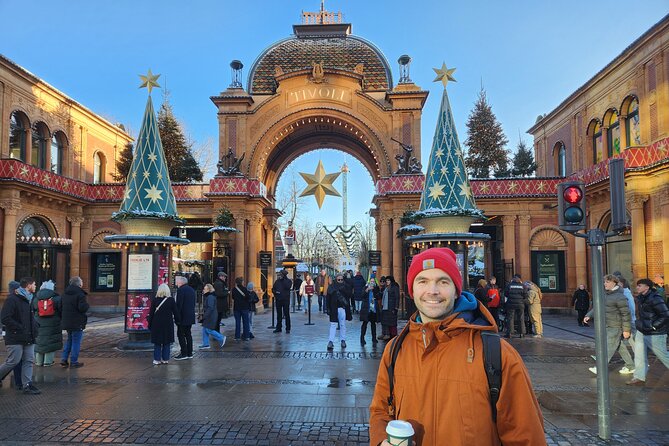
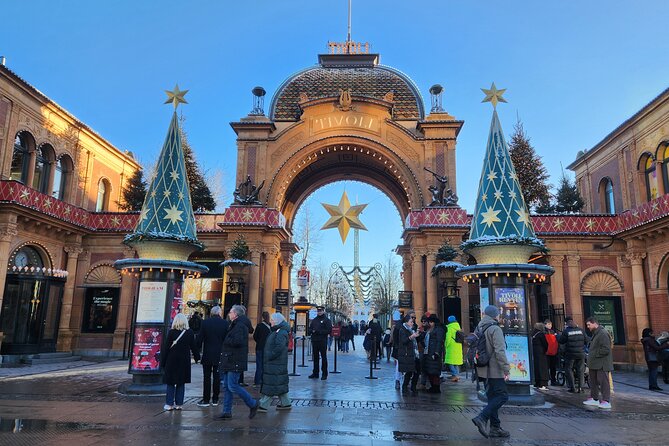
You’ll step outside Tivoli Gardens for a quick but telling look at Copenhagen’s playful streak. Tivoli is one of the oldest amusement parks around, and the guide adds context about why it matters culturally, not just as a rides-and-lights stop. If you’ve ever wondered how Danish design and creativity show up in everyday life, this is where that idea starts clicking.
Next up is Ny Carlsberg Glyptotek, better known by its name in Danish tours: Glyptoteket. Even if you don’t go inside, the building’s architecture and the glass dome are worth spotting. It’s the kind of stop that makes you think, Oh, Copenhagen takes art and design seriously—and then keeps proving it.
Short stops like this are a feature, not a bug. In about 20 minutes of walking and waiting, you get a feel for two sides of the city: charm and sophistication.
Christiansborg and The Black Diamond: Old Power Meets Modern Design
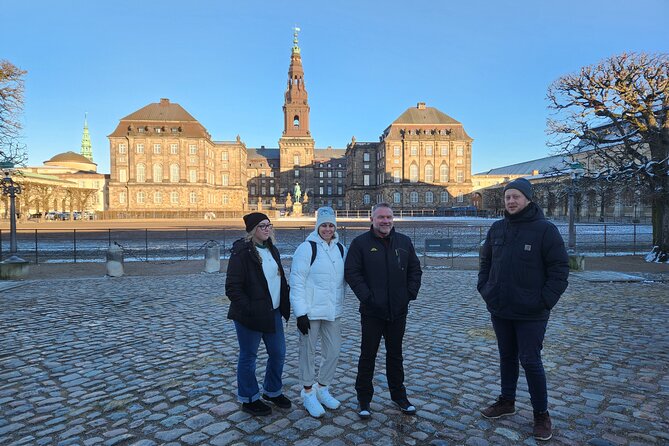
At Christiansborg Palace, you’ll stand in a place that has shaped Denmark for more than 800 years. The key point here is how one address holds multiple layers of authority: royal ceremony, parliamentary life, and the Supreme Court in one complex. The guide also explains the palace’s repeated rebuilds after fires, and how each rebuild reflects its era.
This part of the route makes the history feel practical. It’s not just dates; it’s a sense of continuity—how modern democracy literally sits on top of older power.
Then you finish this first walking stretch at The Black Diamond, the nickname for the modern library building by the waterfront. From the outside you’ll spot its black granite look and the way it reflects the harbor. This stop is a nice bridge: you move from royal and civic Denmark into contemporary Copenhagen culture, where studying, events, and waterfront life all share the same space.
Electric Harbor Ferry Views of Opera, Nyhavn, and Børsen
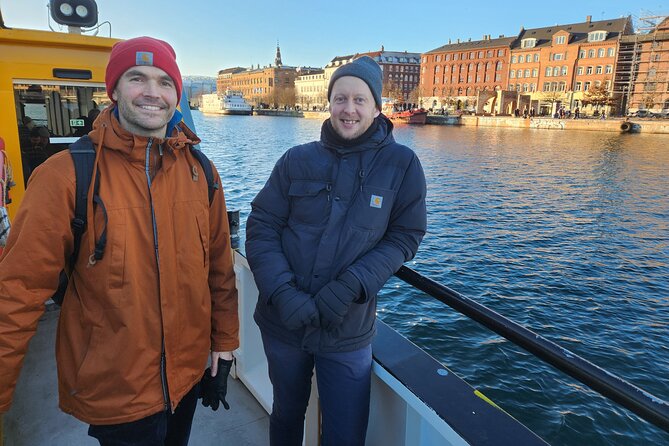
Here’s where the tour shifts from on-foot storytelling to harbor scenery. You board an electric harbor ferry for a canal experience along Copenhagen’s waterways. The ride is free and designed to be relaxing, with views that are hard to match by walking alone.
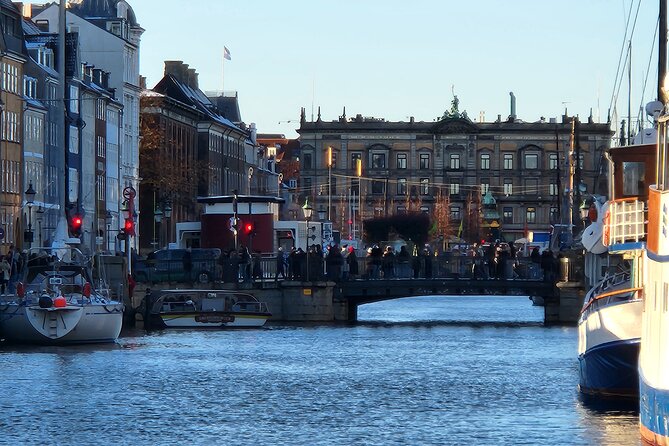
On weekdays, it’s often quieter, and the tour notes that you may even have the ferry to yourselves. On weekends, it can be full, or the service can be canceled. Either way, the point is the same: you’ll get landmark angles from the water—like the Opera House, Amalienborg Palace, and the colorful houses around Nyhavn.
One extra detail you’ll enjoy is the pass by the Old Stock Exchange, Børsen, with its famous dragon-spire roof. The tour also notes that the building was severely damaged by a fire in April 2024 and is under restoration, which adds a current, real-world layer to what you’re seeing.
If you hate cramped sightseeing, you’ll probably like this segment. You’re sitting while the city slides by, and the harbor gives Copenhagen a calmer pace.
Little Mermaid to Gefion Fountain: Myth With Great Walking Follow-Up
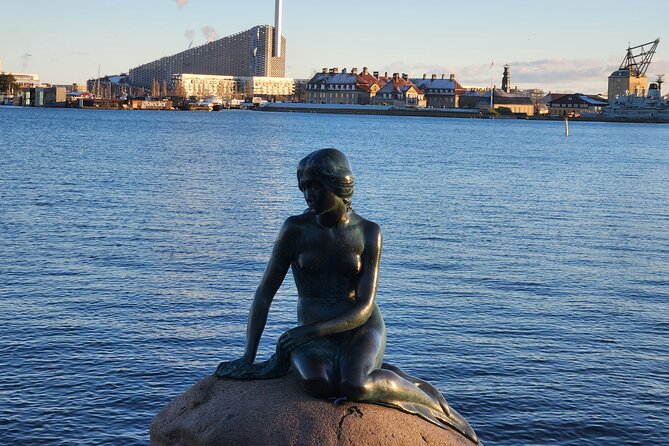
After the ferry, you’ll visit The Little Mermaid. You’ll hear the story behind Hans Christian Andersen’s fairy tale and how that modest bronze statue became one of Copenhagen’s symbols. It’s a small stop by time, but it’s a big stop for understanding why this city leans into storytelling.
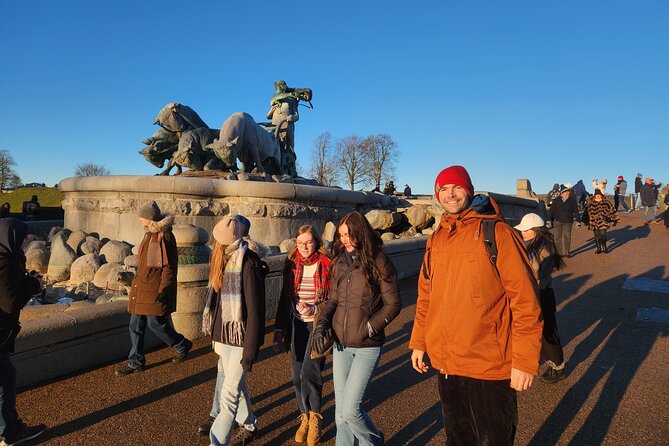
Then you walk to Gefion Fountain, a strong Nordic-myth stop placed between the harbor and the promenade near Kastellet. The guide shares the legend of the goddess Gefion plowing an island into place using four oxen, and you’ll see how the fountain’s dramatic figures and cascading water bring the myth into a real setting.
This is where the tour does something smart: it connects the fairy tale world to the physical geography of Copenhagen. You’re not just checking off a statue—you’re learning why the waterfront has always been central to Danish imagination.
Kastellet Star Fortress, Churchill Park, and Marmorkirken Views
The route includes Kastellet, one of the best-preserved star fortresses in Northern Europe. It’s built in the 1600s for defense, but today it’s also a peaceful green space and an active military area. As you walk the ramparts and cobbled paths, you can spot the windmill, red-brick barracks, and (sometimes) resident swans in the moat.
This stop is great if you like places that still feel used. Kastellet isn’t a dead monument; it has an everyday side, which makes it feel more local than touristy.
You’ll also pass Churchill Park, a quieter remembrance space connected to Denmark’s World War II resistance. You’ll see memorials and sculptures and a statue of Winston Churchill overlooking the harbor area.
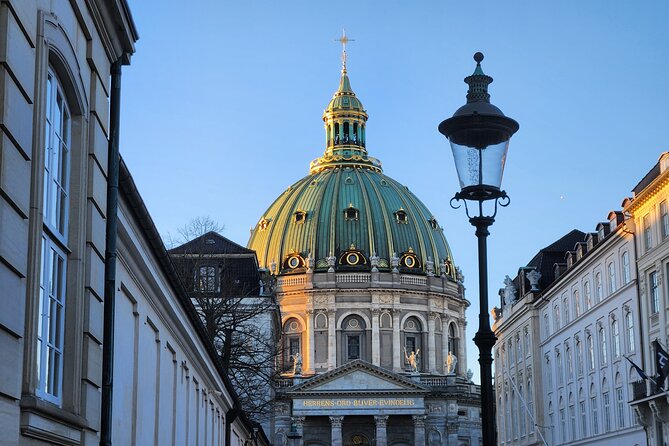
Later, you pause at Frederiks Kirke, also called Marmorkirken or the Marble Church. The guide explains the long construction story and how the dome drew inspiration from St. Peter’s Basilica in Rome. From here, you’ll also get aligned views toward Amalienborg Palace, making this a photo-friendly architectural moment with clear context.
Amalienborg Square and the 12:00 Changing of the Guards
The tour ends at Amalienborg Palace, where the Danish royal family has lived since 1794. The square is made for watching: the four Rococo-style palaces surround an octagonal courtyard, and the equestrian statue of King Frederik V anchors the whole scene.
Here’s the timing that matters. If you join the 09:00 or 09:30 departure, you arrive just in time for the full Changing of the Guards at 12:00, typically with the Royal Danish Band. If you join the 11:00 or 13:00 tour, you still end at the same place, but you’ll see a smaller, quieter guard change as the new shift relieves the old.
Either way, this ending is one of the easiest “wow” moments in Copenhagen. It’s ceremonial without being stuffy, and it’s right where people actually go for the daily ritual.
One small note: the Amalienborg Palace Museum itself is marked as not included, so expect viewing and story context rather than a full museum ticket experience.
Price and Logistics: Is $77.39 Worth It for 3 Hours?
At $77.39 per person, you’re paying for a lot of structure in a short window: a guided walk through central landmarks, plus a free electric harbor ferry segment, plus a finish at a major daily ceremony.
What makes the value feel real is the mix:
- You get short interpretive stops that explain why the place matters (not just what it looks like).
- You get multiple types of Copenhagen in one shot: classic transport hub life, historic palace power, modern architecture, waterfront views, and Nordic myth.
- You end at the most schedule-based landmark in the city, where being there at the right time is half the battle.
Also, group size matters here. With a maximum of 15 travelers, you’re less likely to get lost in the shuffle, and the tour tends to work as a true small-group stroll rather than a long “sheep walk.”
When the Ferry Changes Your Plan, You Still Have a Good Day
Copenhagen is wonderful in good weather, but the harbor schedule has its own rules. The tour notes that seats can’t be reserved on the ferry because it’s part of the public harbor and canal network. On weekends it may be full or canceled.
When that happens, the plan adjusts: you’ll walk a scenic route instead, and your total walking distance may increase to about 6–7 km rather than around 5 km. There’s also a real-world example in the notes: on one occasion, ferry access didn’t happen and the route was altered so the group still saw a set of major waterfront and central landmarks.
If you’re the type who needs every item perfectly, this is the one part you should mentally prepare for. If you’re flexible, you’ll still get a solid highlights circuit and not feel stuck.
Who This Tour Fits Best (and Who Might Want Something Else)
This tour fits best if you want:
- A first-day orientation to Copenhagen, with a route that helps you understand where sights connect
- Short walks, frequent story stops, and one meaningful ferry ride
- A guaranteed finish at Amalienborg with views of the guards at the right time
You’ll want moderate physical fitness since you’ll do a walking-focused itinerary (and potentially a bit more if the ferry doesn’t run). If you have very limited mobility or require minimal walking, this may be tough.
It also makes sense if you like learning the why behind landmarks. The pace is built for people who want context—stories about Danish power, design, and myths—without sitting in long museum stretches.
Should You Book This Copenhagen Highlights Walk and Canal Tour?
Yes, I’d book it if your priority is a well-paced “best of Copenhagen” circuit with one big ceremonial payoff. It’s a smart use of time: you see historic and modern Copenhagen, get true harbor views from the ferry, and end at Amalienborg for the 12:00 guard change when possible.
I’d hesitate only if you’re extremely strict about hitting every single stop without any day-of changes. In that case, treat the ferry as the flexible component and focus on the bigger picture: the walk route still hits key sights even when the harbor ride can’t happen.
FAQ
How long is the Walk & Canal Tour?
It lasts about 3 hours.
How much does the tour cost?
The price is $77.39 per person.
Where do we meet?
You meet inside Copenhagen Central Station (København H), at Bernstorffsgade, 1651 København, Denmark.
Where does the tour end?
The tour ends at Amalienborg Slotsplads, near the metro, about a 10-minute walk from Kongens Nytorv and Nyhavn.
Is the tour offered in English?
Yes, the tour is offered in English.
Does the tour include a canal ferry ride?
Yes. Part of the experience includes an electric harbor ferry/canal tour, and admission for that ferry part is listed as free.
What if the ferry is full or canceled?
The tour notes that seats can’t be reserved, and on weekends it may be full or canceled. If that happens, you’ll walk a scenic route instead and the walking distance may increase to about 6–7 km.
Do we go inside Tivoli Gardens or Glyptoteket?
Tivoli Gardens and Ny Carlsberg Glyptotek are stop points where admission is not included, so you’ll mainly see the areas from outside during the brief visit.
How does the Changing of the Guards work for different tour times?
The full Changing of the Guards is at 12:00. If you join the 09:00 or 09:30 tour, you arrive just in time for the full ceremony. If you join 11:00 or 13:00, the tour ends where you can see a smaller, quieter guard change.
Is the Amalienborg Palace Museum included?
No, Amalienborg Palace Museum is listed as not included.
Is there free cancellation?
Yes. You can cancel up to 24 hours in advance for a full refund.