REVIEW · ROBBEN ISLAND
ROBBEN ISLAND MUSEUM TOUR, WITH OPTIONAL LAST MINUTE TICKETS
Book on GetYourGuide →Operated by CONCIEGE RUNNERS CAPE TOWN · Bookable on GetYourGuide
That first ferry ride feels heavy. Robben Island is a UNESCO site where you don’t just read South Africa’s story—you watch it unfold through cells, objects, and the calm, direct teaching of a former political prisoner.
I love two things most: seeing Nelson Mandela’s cell and hearing the explanation from the person who lived the system. I also like how the tour moves beyond one room, taking you through multiple stops that connect the museum to the island’s broader prison workings. One thing to weigh: this isn’t a private tour, and the shared ferry and fixed departure times mean weather or ticket access issues can affect whether you actually board.
Key things I’d highlight
- Former political prisoner guides lead the tour and bus segments
- Mandela’s 18-year cell visit is the emotional core
- The tour visits multiple prison-related sites, not just one museum room
- Expect small, limited groups because the ferry and island capacity control everything
- Table Mountain views often show up during the day, especially on the way over and back
- You can pay more for short notice, so planning ahead usually saves money
In This Review
- Robben Island starts at the Clock Tower: meeting point and timing that matters
- Tickets and the voucher confusion: what you must have in hand
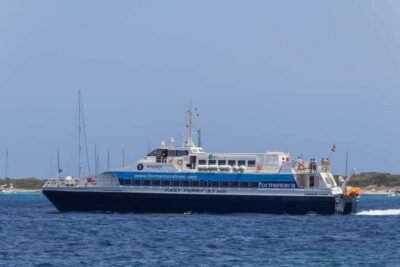
- The shared ferry ride: group size, capacity limits, and sea reality
- Meeting the guide: what a former political prisoner brings to the museum
- Museum tour: evidence, exhibitions, and moving from facts to meaning
- Mandela’s cell and the communal cells: what you should look for
- Bus stops beyond the museum: quarry labor and house arrest sites
- The walk back and Table Mountain views: how the day closes
- Price and value: what the $90 buys (and how last-minute can cost more)
- What’s worth your attention (and what needs extra care)
- Who should book this Robben Island museum tour?
- Should you book Robben Island with optional last-minute tickets?
- FAQ
- How long is the Robben Island museum tour?
- Where do I meet for the ferry?
- What time should I arrive for the ferry departures?
- What do I need to bring for entry?
- Is this tour private?
- Does the tour include the ferry ride?
- How do vouchers work if I booked through GetYourGuide?
- Is the tour wheelchair accessible?
- Are there child or infant ticket rules?
Robben Island starts at the Clock Tower: meeting point and timing that matters
Go early. Not “arrive whenever” early. This experience starts at the Nelson Mandela Gateway at the V&A Waterfront, in the Clock Tower Building (red clock face). You’ll scan tickets after security, and the operator starts scanning 30 minutes before the ferry time.
This matters because the tour isn’t private and it runs on ferry departures. If you miss the scanning window, you can lose your slot even if your plans are otherwise perfect. The good news: the meeting point is clear, and if you treat it like a check-in for a flight, you’ll be fine.
Practical tip: set a reminder for your arrival time based on your ferry. If your ferry is 9:00, aim for 8:30. If it’s 11:00, aim for 10:30. If it’s 13:00, aim for 12:30.
Tickets and the voucher confusion: what you must have in hand
Here’s the part that can make or break the morning: the voucher you get after booking isn’t the Robben Island entry ticket. You need to contact Concierge Runners Cape Town after purchase to claim the proper boarding tickets.
So don’t assume the voucher is enough. Plan to get your real boarding tickets ahead of time, then bring the correct ID on the day.
Also remember the identification rule is strict:
- International visitors: bring your passport
- Local visitors: bring an ID
If you show up without the right document, you won’t be allowed through security.
The shared ferry ride: group size, capacity limits, and sea reality

You charter a shared ferry to Robben Island and go from there. Here’s how the day usually flows: you arrive at the island, then you’re divided into smaller groups based on capacity—specifically how many visitors are allowed inside each ferry and then within the next transport step.
Once on the island, you’re split again into groups large enough to fit on a bus. From there, you meet your guide and begin the guided circuit around the prison sites.
The value of this structure is simple: you get a lot of time in the guided parts, without long random wandering. The drawback is also simple: you’re tied to group movement and the ferry schedule.
From the experience you’re describing, weather issues are a real factor. There are reports of trips being canceled due to wind and rough seas, and of departures not happening as expected. You can’t control that. What you can do is build flexibility into your Cape Town itinerary—don’t stack two tight tours back-to-back on the same half-day, and consider having an alternate plan ready in case the sea gods say no.
Meeting the guide: what a former political prisoner brings to the museum

The heart of this tour isn’t just the museum rooms. It’s the person guiding you through them. Your guide is a former political prisoner, and that changes the tone immediately.
A review specifically mentioned a guide named Medise, described as exceptional and inspirational during the bus tour. Even without names, the core idea is the same: the guide’s explanations carry lived detail, not just textbook facts.
What you’ll feel in the group dynamic: more quiet listening than sightseeing chatter. People tend to ask questions about daily survival, the logic of the system, and what ordinary prisoners endured. You’ll also spend time viewing materials presented as evidence of hard conditions.
This is the part where the day goes from informative to personal. You’re not only learning about inequality and injustice—you’re standing in a place built by them.
Museum tour: evidence, exhibitions, and moving from facts to meaning
Inside the museum area, you’ll move through the complex with your guide and see evidence of the prison system’s reality. The tour includes an exhibition of different materials showing what life was like for prisoners.
This section matters because it sets context before you reach the Mandela cell. If you go in with only a vague idea of what Robben Island was, the museum tour helps you understand how the system worked day after day—rules, confinement, and the mechanics of humiliation and control.
You’ll also get a clear, guided storyline rather than random wandering. That’s one reason small group size helps here. When you’re not fighting for attention, the guide can explain with more precision, and you can focus on what you’re seeing.
Mandela’s cell and the communal cells: what you should look for
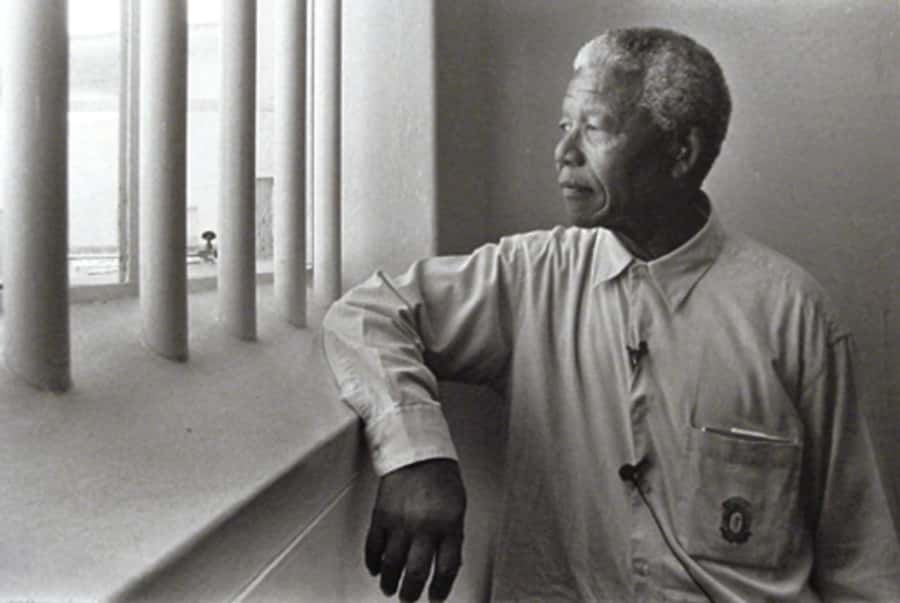
Nelson Mandela’s cell is the headline stop, and you’ll visit it as part of the tour. You’re specifically seeing the cell where he spent 18 years out of his 27 years in jail.
But don’t rush past the emotional impact and only aim for the photo. Spend a moment on what’s physically present: the space, the restraint, and the feeling that comes from imagining how time moved under those conditions.
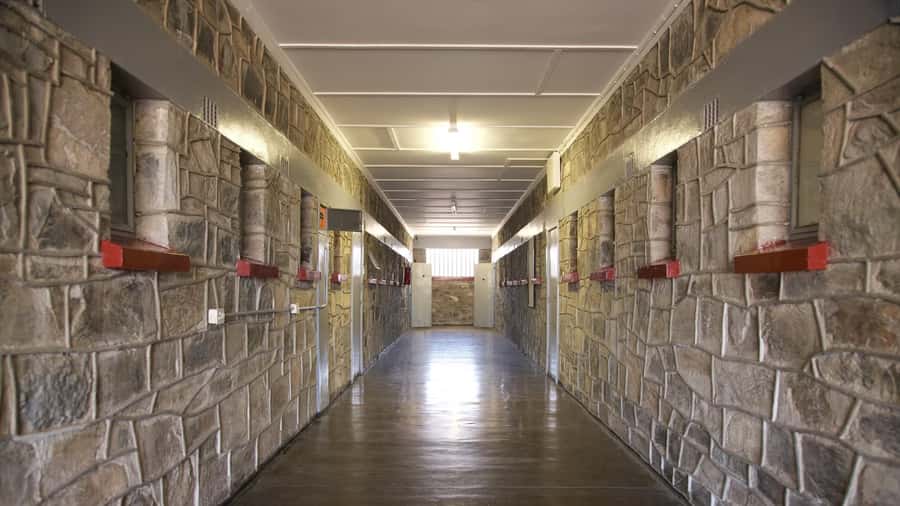
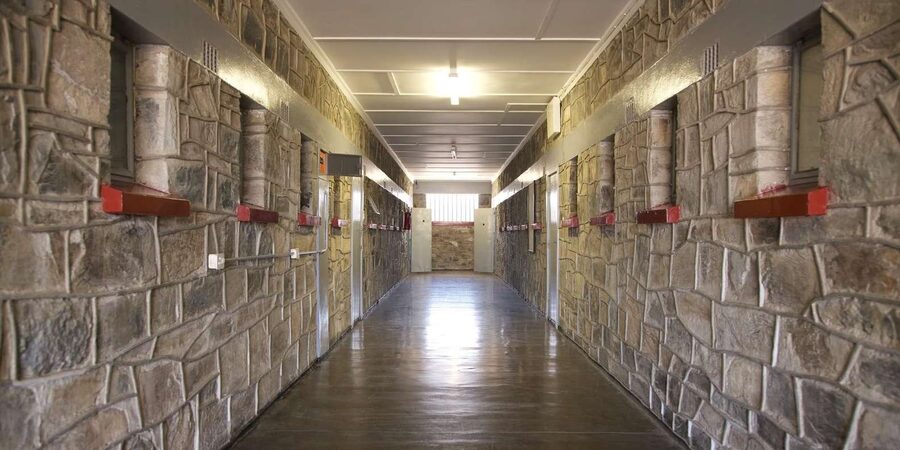
The tour also includes a communal cell where ordinary prisoners were kept. That’s important. Mandela’s story is essential, but the island’s tragedy wasn’t only about one famous person. The communal spaces help you understand how inequality and injustice operated at scale—how many people were trapped inside the same machinery.
If you want to take good pictures, this is tricky terrain. You may be limited by rules on photography, and the mood often discourages long shutter clicks. I’d treat the photos as secondary here and rely on your memory for the real impact.
Bus stops beyond the museum: quarry labor and house arrest sites

After the museum portion, you’ll take the bus again to see other significant points on the island.
Key sites you’ll visit as part of the tour include:
- Robert Sobukwe house arrest site
- The limestone quarry, where prisoners were taken for forced labor
- Additional areas within the prison complex
This is where the tour earns its value as more than a one-room attraction. The museum gives the prison story. These stops show how the prison worked in real life—work, punishment, and isolation spread across the island.
A practical note: bus segments can mean a bit of sitting on a day that may also involve walking and time in outdoor spaces. Wear comfortable shoes. You’ll be glad you did.
The walk back and Table Mountain views: how the day closes

When the tour returns to the jetty, it ends. At that point, you can choose what to do next. Some people head into the mall for a bite. Others use Uber back to their accommodation.
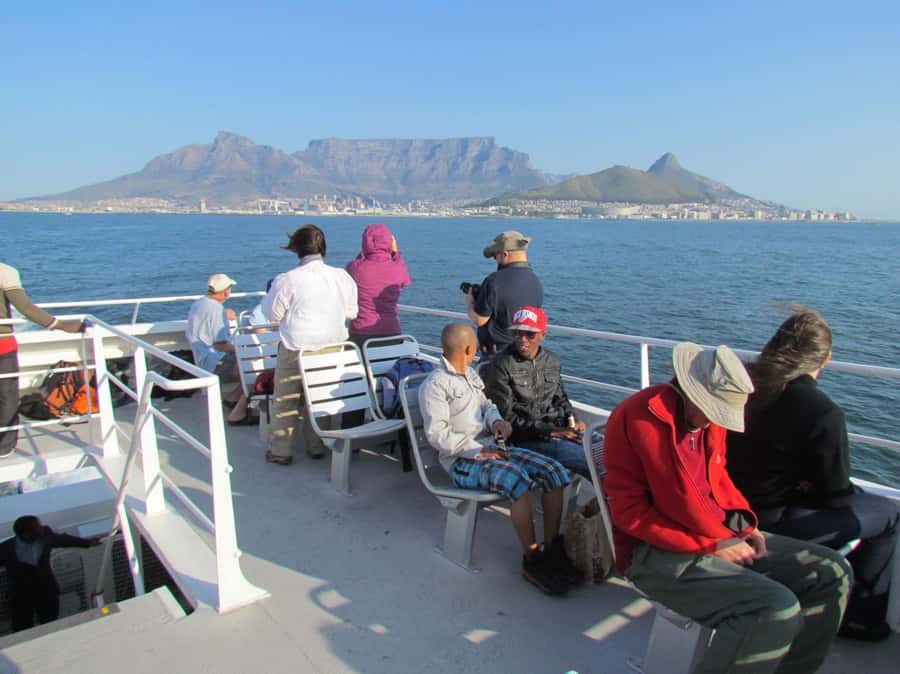
One of the nice perks mentioned is the chance to get beautiful pictures of Table Mountain and the surrounding scenery. That’s the lighter counterbalance to the emotional content. It also helps you remember you’re in Cape Town—not sealed off in an indoor museum bubble.
Think of the return ride as your chance to reset. Not forget. Just reset your body so you can handle the rest of your day in Cape Town without feeling wiped out.
Price and value: what the $90 buys (and how last-minute can cost more)

At $90 per person for a 4-hour tour, you’re paying for four things bundled together:
- A guided experience led by a former political prisoner
- Ferry transport to and from the island
- The museum tour experience itself
- Local coordination and guide-related commissions and fees
That makes it expensive compared to casual city attractions, but it’s not an overpriced day-trip. You’re paying for access to a site that can’t be replicated, plus a guide whose credibility isn’t borrowed.
Now about timing: the tour notes that you should book seven days in advance to avoid paying an extra 20% for short notice tickets. If you’re traveling in a flexible window, planning ahead usually protects your budget. If you’re booking last minute, accept that the price may jump—and have a plan if weather disrupts the ferry.
Also, the tour states your tickets are guaranteed with a full refund unless you cancel yourself 24 hours before the activities begin. That’s good to know when building an itinerary.
What’s worth your attention (and what needs extra care)
Let me be very plain. This tour is powerful, but it has logistics that deserve respect.
The best parts to aim for
- Mandela’s cell and the communal cells for the bigger picture
- A former political prisoner guide who turns dates into lived experience
- Multiple island stops that explain how the system worked across locations
- The small-group format that keeps you with your guide
The parts to watch
- You must bring passport or ID
- Your voucher may not equal your boarding ticket; you need to contact Concierge Runners Cape Town
- Weather can stop ferry departures
- It’s not private, so you’ll be grouped and moved as a schedule
One review experience described a frustrating day where ticket scanning wasn’t possible at the museum check-in system, and the ship departed without them. That’s exactly why you should treat the ticket-claim step seriously and arrive with extra time.
Who should book this Robben Island museum tour?
You should book if you want:
- A guided visit focused on meaning, not just quick sightseeing
- The chance to learn from a guide who can speak from experience
- A structured tour that covers major prison-related sites in about 4 hours
You might want to consider an alternate plan if:
- You get nervous about weather-dependent departures
- You hate tight schedules and fixed group movement
- You can’t follow the ID and ticket requirements carefully
Wheelchair access is listed as available, which helps make the experience more approachable for mobility needs. Still, you’ll be dealing with an island day, so I’d plan for some uneven walking and transfers, even if you can manage mobility.
Should you book Robben Island with optional last-minute tickets?
If you’re asking me straight: yes, book it if you can handle the scheduling reality and you confirm your boarding tickets correctly. This is the kind of visit where the guide’s perspective and the sites themselves make the day feel unforgettable for the right reasons.
Book ahead if you can, because the seven-day lead time can help you avoid the 20% short-notice surcharge. If you must book later, don’t cut it close with your schedule—arrive early at the Clock Tower check-in and keep a backup plan for sea conditions.
My final advice: treat this like a serious appointment, not a casual tour. Get your ID ready, claim the right tickets, show up early, and go in ready to listen. The payoff is a clear, human story told on the ground where it happened.
FAQ
How long is the Robben Island museum tour?
The tour runs for about 4 hours.
Where do I meet for the ferry?
You meet at the Nelson Mandela Gateway at the V&A Waterfront, in the Clock Tower Building (red clock). You’ll go through security and scan tickets inside.
What time should I arrive for the ferry departures?
You should be there at least 30 minutes before the ferry time for ticket scanning. For example, if your ferry leaves at 9:00, arrive by 8:30.
What do I need to bring for entry?
Bring your passport (if you’re an international visitor) or your ID (if you’re local).
Is this tour private?
No. It’s not private. You’ll be on a shared ferry, and once on the island you’ll be split into smaller groups to fit the bus and move through the sites.
Does the tour include the ferry ride?
Yes. Your ticket includes the ferry ride to and from the island, plus the guided tour experience.
How do vouchers work if I booked through GetYourGuide?
The voucher you receive is not the Robben Island entry ticket. You need to contact Concierge Runners Cape Town to claim the boarding tickets; otherwise you may be disappointed when trying to board.
Is the tour wheelchair accessible?
Wheelchair accessibility is listed as available.
Are there child or infant ticket rules?
Short notice tickets may not have child ticket options, depending on availability. For infants aged 0–2, tickets are sold at Robben Island counters, and parents need to present a birth certificate to get the child ticket.