REVIEW · MUMBAI
Mumbai: Elephanta Caves Tour with Ferry
Book on GetYourGuide →Operated by Nine Tours · Bookable on GetYourGuide
A ferry ride to UNESCO caves beats the usual city checklist. What makes this tour interesting is the mix of Elephanta Caves storytelling with time back at Gateway of India, plus food and tea stops to keep it human-scale. You get a half-day framework that’s easy to slot into an India trip without burning the whole day.
Two things I like a lot: the English-speaking guide who ties what you see to the bigger Mumbai picture, and the chance to try local Indian snacks and tea during the tour flow. The pacing also leaves room for photography, not just hurried looking.
One drawback to factor in is ticket math. The tour price is low, but entry tickets are not included (listed as 760 for foreigner nationality), and one booking note also suggests ferry and cave tickets may be extra—so confirm what your exact option includes before you go.
In This Review
- Key highlights worth your attention
- Starting at Gateway of India: what to watch for right away
- The ferry over to Elephanta: views, timing, and weather reality
- Elephanta Caves UNESCO UNESCO: how to make the 60 minutes count
- Back at Gateway of India: why the return hour is more than filler
- The guide experience: English, plus real conversation
- Snacks, tea, and water: small stops that keep momentum
- Price and what it really covers: the math you should check first
- What to pack and how to plan your day around 4 hours
- Who this tour suits best
- Should you book the Elephanta Caves Tour with Ferry?
Key highlights worth your attention
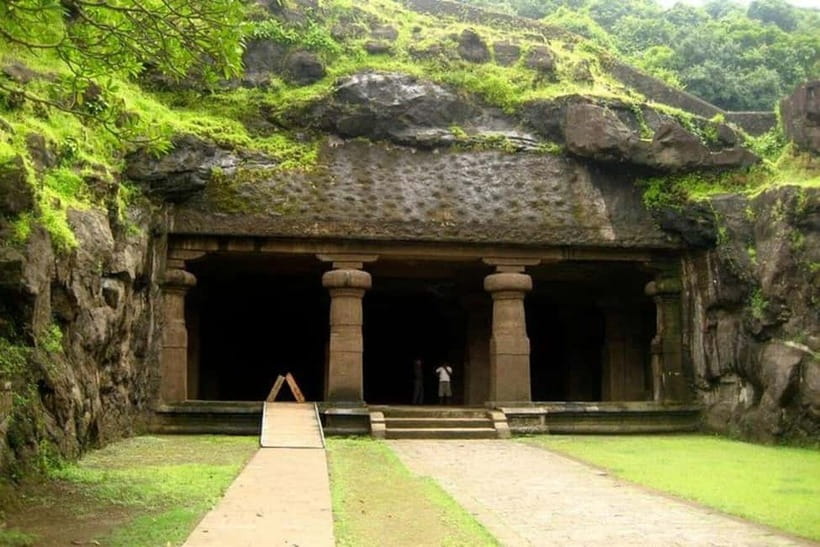
- Gateway of India start and finish: you’ll anchor the trip in Mumbai’s most famous waterfront meeting point.
- Ferry ride timing matters: weather can affect crossings, and your guide may shift plans.
- UNESCO focus at Elephanta: you’ll spend a full hour at the caves site.
- Tea culture and snacks: small, practical stops that feel local, not staged.
- Guide storytelling: dynastic tales and heritage context help the carvings make sense.
- Photography-friendly pacing: adequate time at each location for actual viewing and pictures.
Starting at Gateway of India: what to watch for right away
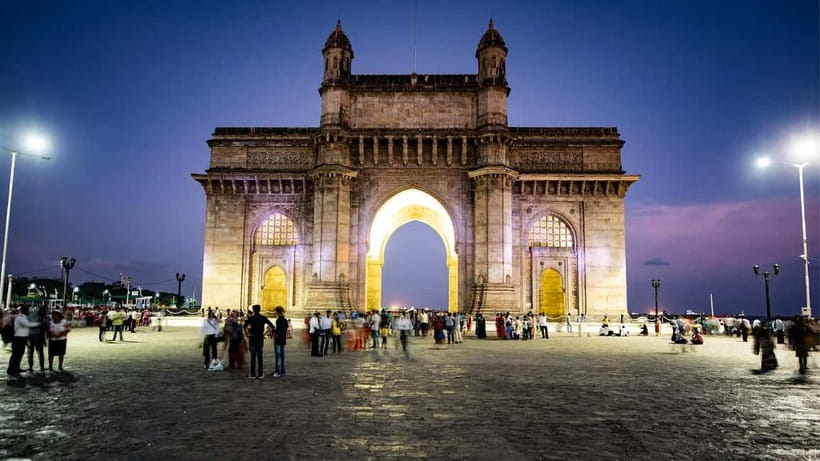
You begin at Gateway of India in Mumbai, a landmark you’ll recognize even if you’re only half awake. It’s a perfect starting point because it’s right on the water, so your brain instantly switches from city streets to sea-air mode.
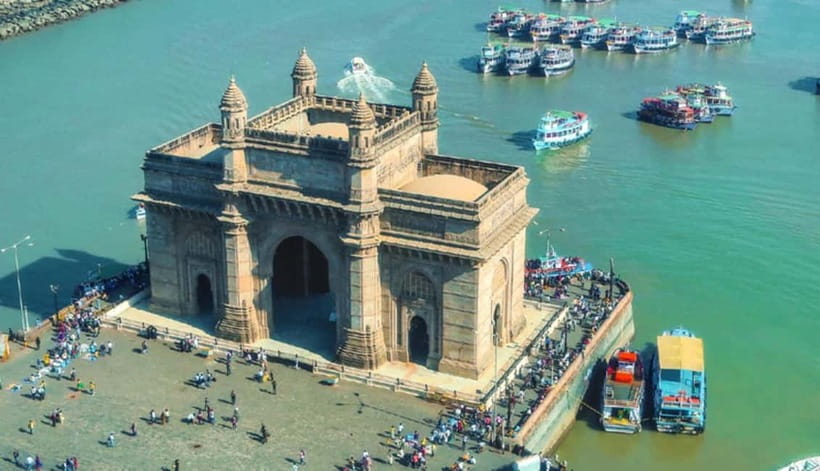
I like tours that start somewhere obvious and easy to reach, and this one does that. Plus, that first hour at the gateway gives you a chance to orient yourself: where the boats depart, where people are gathering, and what the area feels like before you head to the caves.
The ferry over to Elephanta: views, timing, and weather reality
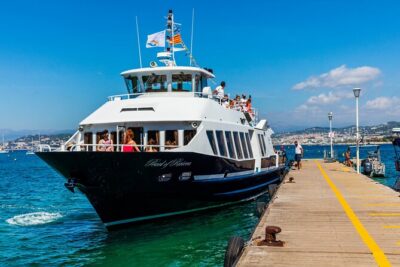
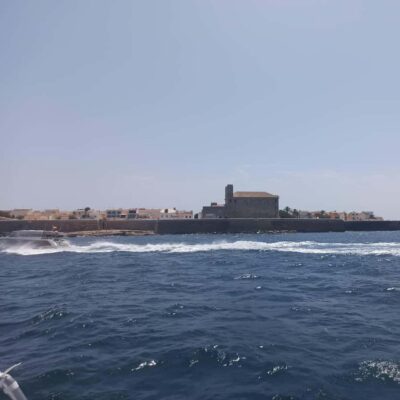
If you selected the ferry option, you’ll cross by boat. The ferry part is short, but it’s one of the best ways to change your perspective of Mumbai. From the water, the city stops looking like a blur and starts looking like an actual place with edges and angles.
The big practical issue is weather. One confirmed experience notes that ferries were canceled due to conditions, and the guide contacted the group early to offer another option. So keep your plans flexible in the real-world sense: pack for mild changes, and don’t treat the first crossing attempt as guaranteed.
Also, the tour is only 4 hours total, so you’ll want to move efficiently once you’re at the water. Bring a light layer and keep your phone charged. You’ll likely want photos before the caves even start.
Elephanta Caves UNESCO UNESCO: how to make the 60 minutes count
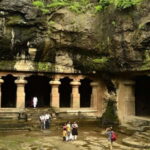
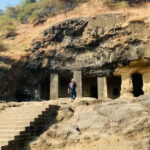
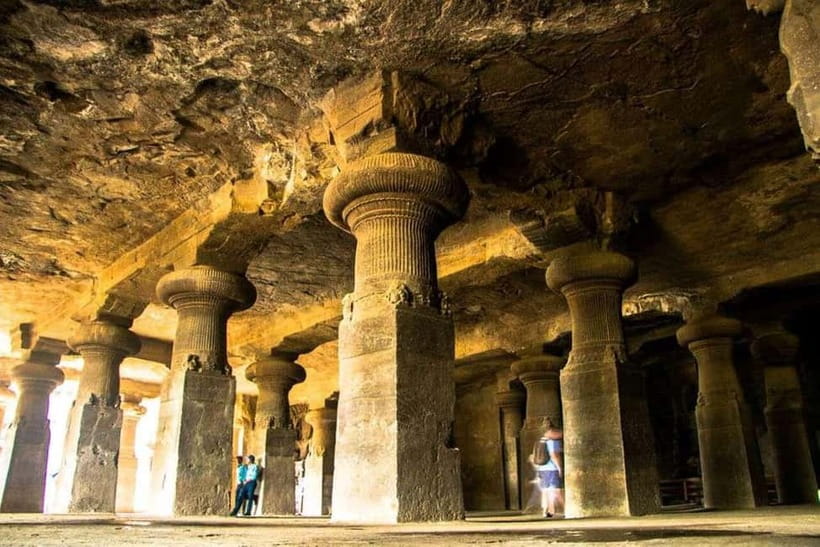
Once you reach Elephanta Caves, you’re given about one hour on site. That sounds brief, but it’s enough time to get oriented, see the main cave areas, and pick out details you might otherwise miss.
This is where your guide’s role matters. The tour is built around heritage storytelling, including dynastic tales tied to the eras represented in the carvings. When you hear the background, the sculptures stop being just impressive rocks and start feeling like evidence of who lived, ruled, and worshiped here.
You’ll also want to think about how you move through the site. With limited time, go for a logical route rather than bouncing around. If you’re the kind of person who likes to zoom in on carvings, spend more minutes looking closely at fewer spots instead of trying to see everything.
If your visit conditions are different than expected due to weather, one alternate option that showed up in a real booking experience was Kanheri Buddhist Caves in a national park setting with birds and monkeys, plus a hike for city views. You may not get the same conditions as others, but it’s a useful example of how your guide might adapt if the ferry doesn’t run.
Back at Gateway of India: why the return hour is more than filler
After the caves, you return to Gateway of India and you get another hour there. This part can be surprisingly useful. It gives you time to reset after walking, catch your breath, and still end the tour in the same familiar visual anchor where you started.
I like that the structure doesn’t dump you back into chaos with zero time to plan your next move. You can use that return window to decide where you’ll eat, where you’ll go next, and how to manage the rest of the day.
In one highly positive experience, the guide also pushed for local food right after the tour, with recommendations to help the day feel like it belongs to Mumbai rather than just a quick photo stop. That kind of guidance turns your final hour from dead time into a launchpad.
The guide experience: English, plus real conversation
This tour includes an English-speaking guide, and in feedback the name Kaushal came up multiple times for a clear reason: he was friendly, flexible, and willing to answer questions. One person even noted that when he didn’t know something, he said so rather than guessing, which I respect a lot.
Expect the guide to do more than read from a script. The strongest versions of this kind of tour connect city sights with stories about the people who shaped them, especially around UNESCO-linked heritage. You’ll also hear attention to heritage context, not just what to photograph.
If you enjoy asking why certain things were built, how different eras relate, or how Mumbai’s past connects to the present, this format works well. It’s a short tour, so the guide’s storytelling style really sets the tone.
Snacks, tea, and water: small stops that keep momentum
You’re not just touring monuments. The tour includes local snacks, tea culture, and bottled water. That matters in practice, because a 4-hour schedule can feel long if you’re hungry or dehydrated.
I find that a good tea stop also helps you learn something subtle. You’re tasting a normal part of daily life while someone explains the heritage sites, so the day doesn’t feel like a museum conveyor belt.
Also, the inclusion of snacks means you’re less likely to scramble for food during the most inconvenient moments, especially if your ferry and cave timing compresses due to conditions.
Price and what it really covers: the math you should check first
At about $21 per person for a 4-hour guided experience, the upfront value looks strong. You’re paying for an English guide, bottled water, local snacks, time allocated at multiple locations, and a ferry ride if that option is selected.
But don’t ignore the part that changes the total cost: entry tickets are not included. The listing states entry tickets are 760 for foreigner nationality. On top of that, one booking note mentioned the participant missed that ferry and cave tickets weren’t included, even though they expected them to be covered.
So here’s my practical advice: before you book, double-check line by line what your ticket includes. Confirm whether the ferry ride is included in your specific selection, and whether cave entry is fully covered or just the guide service plus routing. With UNESCO sites, these details can swing the final price.
Even with that caution, the structure still makes sense for value. It’s a focused half-day. You’re not paying for a full day of transfers, and you’re getting guide context instead of just a self-guided photo run.
What to pack and how to plan your day around 4 hours
Because your total time is limited, planning beats improvising.
Bring practical stuff:
- Comfortable walking shoes for the cave area
- A hat or something for sun protection
- A light layer for sea air
- Water and a charged phone for photos
Then plan your wider day:
- Choose your next meal with the return-hour timing in mind
- Keep some buffer time after the tour, especially if ferry schedules shift
One more tip: since the itinerary starts and ends at Gateway of India, you’ll save stress if you base yourself somewhere you can reach that area smoothly on foot or by short rides.
Who this tour suits best
This experience is a good fit if you want a short, structured way to see UNESCO heritage without turning your whole day into logistics. It works well for first-timers to Mumbai who want to understand how the city’s heritage fits together and who appreciate a guide who connects dots.
It’s also a strong pick for culture-focused travelers who like the story behind carved stone, and for food-minded visitors who actually want snacks and tea rather than skipping meals.
If you prefer long, unhurried site time, this may feel quick at Elephanta with only about an hour on site. But if you go in with a plan for what you want to notice, you can still get a lot out of it.
Should you book the Elephanta Caves Tour with Ferry?
I’d book it if your goal is a focused half-day with a guide, clear time blocks, and a start/end anchored at Gateway of India. At the listed price, the value is compelling, especially because snacks, tea culture, and bottled water are included.
I would not book without checking the fine print on what tickets are covered, since entry fees for foreigner nationality are listed and at least one booking note suggests ferry and cave tickets may require extras. If you confirm that before you pay, this tour becomes a low-stress way to experience one of the world-famous cave sites near Mumbai.
If you’re flexible about ferry timing and you enjoy guided heritage stories, you’ll likely have a day that feels like more than just sightseeing.