REVIEW · COZUMEL
FunDiving in Cozumel – By Ferry – 2 Tanks in the wonderful Caribbean sea
Book on Viator →Operated by Dune Mexico Blue Dream · Bookable on Viator
Cozumel turns a morning into an ocean show. This 5-hour ferry trip to the UNESCO-protected island waters is built for two different reef stops, with a big-boat setup and crew on hand. I love that tanks and weights are included, so you can travel lighter and focus on being ready to go.
I also like the rhythm: a clear morning schedule, time for a sun deck briefing, then lunch between sessions on board before you head back down. One drawback to keep in mind: if your group doesn’t get a good briefing right away, you’ll need to speak up early and confirm your plan so you feel fully comfortable before you start.
In This Review
- Key things to know before you go
- Why Cozumel’s UNESCO reef is worth an early ferry
- Ferry-day basics: what 5 hours actually feels like
- Meeting point and getting to the boat
- On board: briefing on the sundeck, lunch between sessions
- Stop 1: Palancar Reef and why it’s a smart first site
- The second site: caves, formations, and bigger marine moments
- Gear, weights, and the extra costs you should plan for
- Instructor quality and safety: how to get the briefing you need
- Certification, age, and health checks you can’t skip
- Who this trip suits best
- Price and value: what you’re really paying for
- Should you book this Cozumel 2-tank ferry trip?
- FAQ
- What time does the activity start, and how long is it?
- Where do I meet for this Cozumel trip?
- Are tanks included, and how many underwater sessions do I get?
- Is lunch included, and what other costs should I expect?
- Do I need certification, and what’s the minimum age?
- What health steps are required before I can participate?
- How should I plan flights after the activity, and what if weather cancels it?
Key things to know before you go
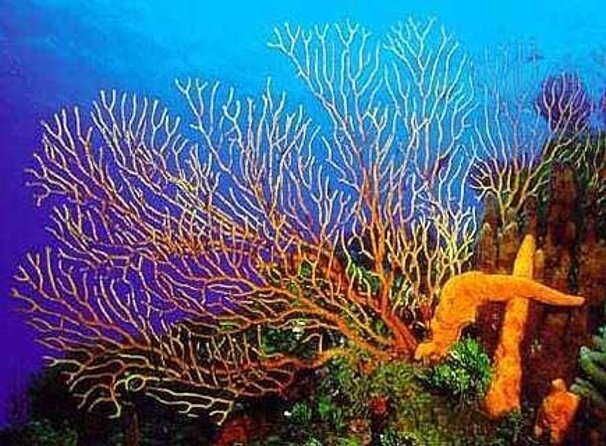
- UNESCO-protected Cozumel reserve (protected since 2016) within the second-largest barrier reef system in the world
- Two different Cozumel sites with tanks/weights included, plus water and fruits on the boat
- Big boat feel without losing control: the boat can handle around 16 divers, and the tour caps at 15 travelers
- Lunch breaks on the water between your two underwater sessions, with a chance to relax on the sundeck
- You’ll likely see classic Cozumel marine life like nurse sharks, eagle rays, and blacktip sharks (conditions permitting)
- Plan for extra costs if you need equipment rental or public transportation
Why Cozumel’s UNESCO reef is worth an early ferry
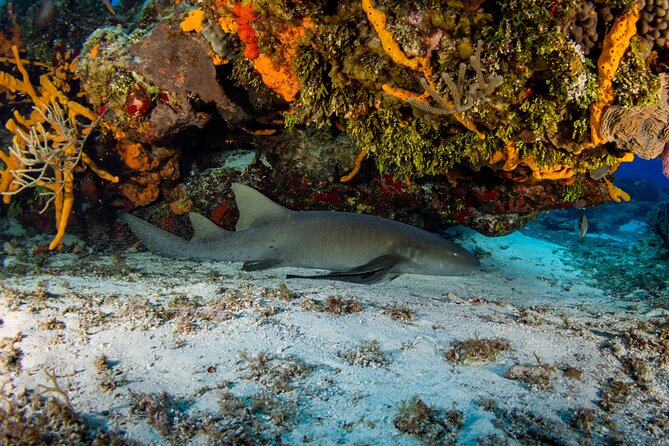
Cozumel is one of the places where the water does the talking. The island is protected as a natural reserve by UNESCO since 2016, and it’s tied to the second-largest barrier reef system on Earth. That matters because you’re not just paying for a “pretty swim” on a random day—you’re going where the reef is actively protected and maintained.
The local highlights people chase here are the kind you hear about for a reason: coral formations, caves, and dramatic wall-style scenery. And the marine life list is exactly the kind that makes you pay attention during your briefing—nurse sharks, eagle rays, blacktips, plus other reef species.
Ferry-day basics: what 5 hours actually feels like
This experience starts at 7:00 am and runs about 5 hours. That’s not a full-day excursion, so you want to arrive with a calm mindset and no big plans for rushing breakfast.
You’ll cross over to Cozumel from the mainland side by ferry, then spend your time underwater with two boat-based sessions at two different sites. The boat is described as a large vessel that can accommodate around 16 divers, and the tour itself lists a maximum of 15 travelers, which usually translates to a more controlled feel than ultra-big groups.
Meeting point and getting to the boat
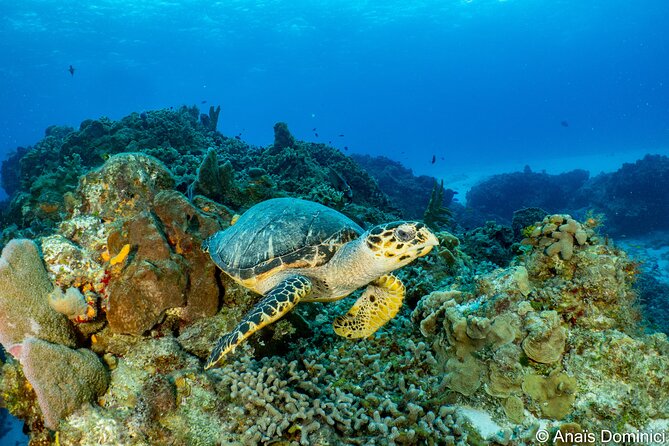
You meet at Dune Mexico Cozumel, on Costera Sur Km 2.85 (Zona Hotelera sur), in Colonia Centro, Cozumel. It also notes you’re near public transportation, which is useful if you’re not relying on a car service.
In the overview, there’s mention of hotel pickup and drop-off, which is a big quality-of-life win on a morning trip. Still, double-check what’s included for your exact hotel location when you book, since the listed meeting point is your anchor.
On board: briefing on the sundeck, lunch between sessions
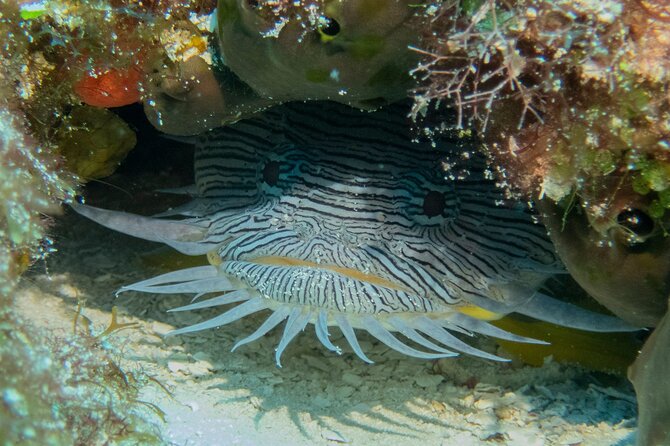
This trip is paced to keep you comfortable. You can often do your briefing on the sundeck, or use that time to rest, get warm, and watch the sea before you head down.
Between your two underwater sessions, there’s a lunch break on the boat. On top of that, the tour includes bottled water and fruits, which sounds simple until you’re out on the water with a crew moving at a real schedule. One nice touch that comes up in real trip experiences is that the boat crew has served fresh foods between rounds, including things like guacamole and salsa—exactly the kind of small perk that makes the day feel cared for.
Stop 1: Palancar Reef and why it’s a smart first site
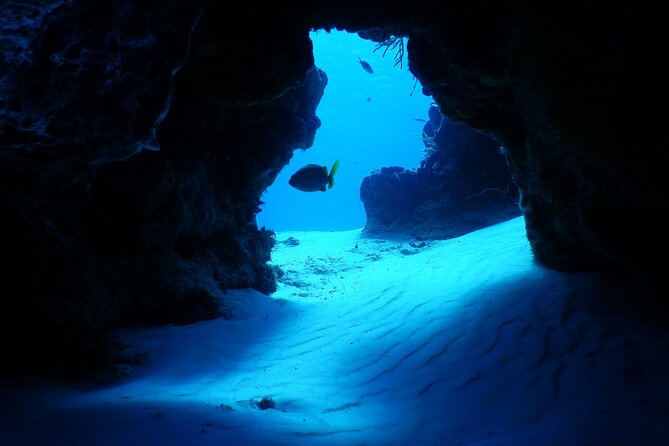
Your first reef stop is Palancar Reef. Palancar is the kind of site you use as a “wow opener.” The point isn’t just depth or distance—it’s the reef structure: coral coverage, formations, and the chance to see plenty of fish activity while you’re still fresh and warmed up.
With only two underwater sessions total, your order matters. A strong first stop helps you settle in and enjoy the experience without feeling like you’re still figuring out your gear or buoyancy. If you’re certified (more on requirements below), this kind of site choice makes the morning feel efficient.
The second site: caves, formations, and bigger marine moments
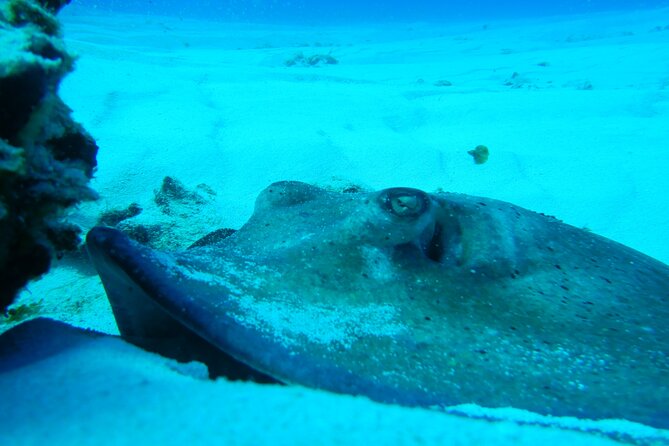
After Palancar, you’ll head to your second Cozumel spot. The overall trip description calls out features that are classic to the region: caves, coral formations, and wall-style scenery. Those environments often improve your odds of seeing the larger reef animals people hope for.
The listed species you might encounter include nurse sharks, eagle rays, and blacktip sharks, along with other reef life. Of course, underwater sightings depend on conditions and the day’s currents, but this is the kind of itinerary that aims you toward places where those animals actually show up often.
A practical tip: keep your head in the briefing and ask how they plan to manage current and spacing. Cozumel can be current-friendly for the right swimmers, but you’ll get the best experience when you know what to expect before you start.
Gear, weights, and the extra costs you should plan for
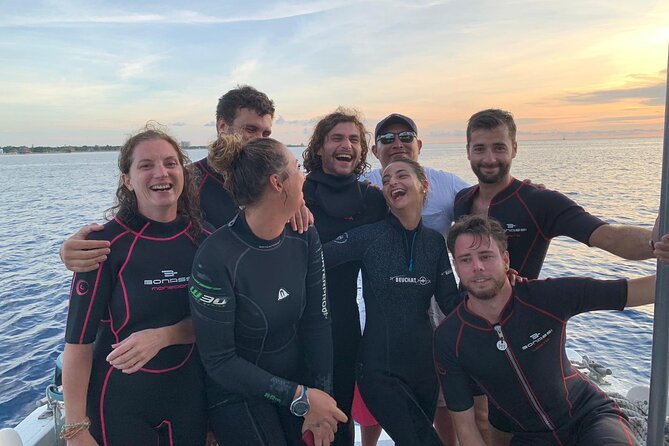
The trip includes dive tanks and weights, and it also includes a professional, multilingual certified scuba instructor. On paper, that’s already a lot of cost you’d otherwise pay at a shop.
Two optional add-ons are explicitly listed:
- Scuba equipment rental: $20.00 per person (not included)
- Public transportation: $55.00 per person (not included)
If you already own your gear, you may be able to save the equipment rental fee, but you’ll need to confirm what they require on arrival. If you don’t own gear, budget the extra $20 early so you don’t get surprised at check-in.
From real-world trip experiences with this kind of setup, the rental kit can be a make-or-break detail. The best case is having gear that feels maintained and ready. If you notice anything off—tank fit, regulator feel, or BCD issues—bring it up during the equipment check stage so it’s handled before you reach open water.
Instructor quality and safety: how to get the briefing you need
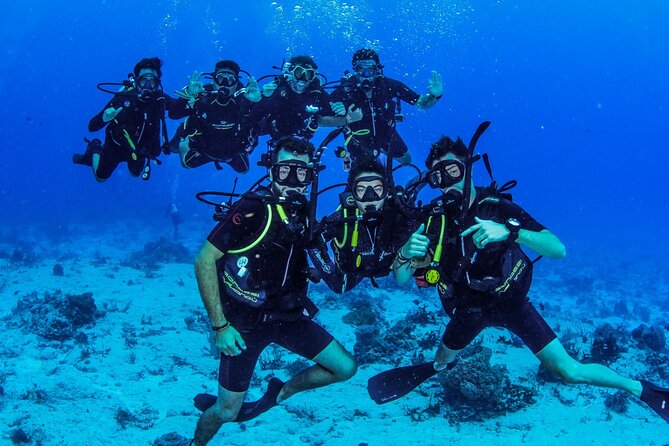
This experience uses a multilingual certified scuba instructor, and the format includes a briefing time you can take on the sundeck. You also must complete a medical questionnaire upon arrival and sign liability waivers before participating.
Here’s the reality: most safe days start with clear communication. In one account, a participant described a situation where the early dives felt light on instructions, and only later did they get a more proper briefing for a later session. That’s not something you should accept as normal.
Your best move:
- Be direct at the start. Ask what the plan is for each site, current expectations, and where you’ll meet if you separate.
- If you don’t feel you’ve gotten the key details, ask again before you go in.
- Tell the guide if you’re comfortable, nervous, slow-moving, or need help with buoyancy.
Guides can be very skilled and still vary on communication style. Your comfort depends on clarity just as much as it depends on experience.
Certification, age, and health checks you can’t skip
This trip is for people who meet the scuba requirements listed:
- You must be 10 or older
- You must provide details of your Open Water certification
- You must be able to self-certify health levels by completing a medical questionnaire upon arrival
That last part is important. Don’t treat it like paperwork you can rush. If your health status has changed since you last dove, you’ll want to be honest and careful here.
Also, for safety planning, the experience states you should wait at least 18 hours after your scuba activities before flying. If you’re building your itinerary, keep a full day cushion if you can.
Who this trip suits best
This is a great fit if you:
- Are already Open Water certified
- Want two underwater sessions without spending the whole day traveling
- Prefer a bigger boat setup with included essentials like tanks/weights, plus lunch on board
- Like classic Cozumel marine-life targets such as rays, nurse sharks, and blacktips (when conditions line up)
You might think twice if you’re:
- Not comfortable with the idea of doing two sessions in a single morning schedule
- Unsure about your ability to communicate your comfort level underwater
- Planning tight flight connections without the 18-hour buffer after your scuba activities
Price and value: what you’re really paying for
The trip includes a lot of the costly parts that add up fast: two separate site sessions, the tanks and weights, a certified instructor, and on-board extras like bottled water and fruits, plus lunch between sessions.
What you pay extra for, based on the listed costs, is mainly convenience and gear:
- $20 per person for scuba equipment rental, if needed
- $55 per person for public transportation, if you don’t arrange your own ride
So the value math usually looks like this:
- If you don’t need equipment rental and you can handle getting to the meeting area with your own transport, the included components can make this feel cost-effective.
- If you do need rental gear and you rely on the provided transportation option, expect the total cost to rise—but you’re paying to reduce hassle on a timed morning schedule.
In short: this is priced like a real guided reef day, not like a bare-bones transfer. The best value comes when you show up ready—certification in place, gear plan decided, and questions prepared for the briefing.
Should you book this Cozumel 2-tank ferry trip?
I’d book this if you want a focused Cozumel reef experience with a sensible schedule: 7:00 am start, two different sites, lunch on board, and included tanks/weights. It’s especially appealing if you like marine life chances tied to the Cozumel reserve—plus the kind of scenery that includes caves, coral formations, and wall-style areas.
I’d pause and plan carefully if you’re the type who needs very clear, early guidance to feel confident. If that’s you, speak up right at check-in and during the first briefing so you’re set before you’re underwater.
If you’re prepared and certified, this one is a strong match: fewer hours, two reef stops, and an afternoon of your choosing afterward.
FAQ
What time does the activity start, and how long is it?
The start time is 7:00 am and the total duration is approximately 5 hours.
Where do I meet for this Cozumel trip?
You’ll meet at Dune Mexico Cozumel, Costera Sur Km 2.85, Zona Hotelera sur, Cozumel, Q.Roo, Mexico, and the activity ends back at the same meeting point.
Are tanks included, and how many underwater sessions do I get?
Yes. The tour includes tanks and weights, and you get two boat-based underwater sessions on two different Cozumel sites.
Is lunch included, and what other costs should I expect?
Lunch is included between the two sessions, and bottled water and fruits are provided on the boat. Scuba equipment rental is $20.00 per person, and public transportation is listed as $55.00 per person.
Do I need certification, and what’s the minimum age?
You must be 10 or older and provide details of your Open Water certification.
What health steps are required before I can participate?
You must self-certify your health levels by completing the required medical questionnaire upon arrival, and you must sign liability waivers.
How should I plan flights after the activity, and what if weather cancels it?
You should wait at least 18 hours after your scuba activities before flying. The experience requires good weather, and if it’s canceled due to poor weather, you’ll be offered a different date or a full refund.