REVIEW · MINDELO
Cova–Paúl Valley Trek: Santo Antão Day Trip by Ferry
Book on GetYourGuide →Operated by Green Line Tours Cabo Verde · Bookable on GetYourGuide
One ferry ride, then a real hike. This day trip is all about the Cova de Paúl crater views and what you learn from people who actually live here. I also like the Grogue distillery stop, because you see rum-making up close. The trade-off: it’s an 11-hour day with a rocky, mostly descending trail, so you’ll want solid shoes and a head for heights.
You start in Mindelo early, cross by ferry to Porto Novo, then switch into mountain roads and foot time in one of Santo Antão’s most fertile areas. If you’re after big scenery plus everyday Cape Verde life, this one is hard to beat.
In This Review
- Key Highlights You’ll Feel Right Away
- Ferry to Santo Antão: where the day starts on the water
- How Mindelo pickups and Porto Novo transfers keep the day from falling apart
- Cova de Paúl crater hike: the reason most people call this the best part
- Paúl Valley villages: walking through the island’s daily life
- Lunch in Ribeira Grande: refueling with local food (and bring cash)
- Grogue distillery visit: rum-making you can actually picture
- The coastal return and ferry back: what the last hour really feels like
- Price and value: is $141 worth it for this full-day format?
- Who should book this, and who should skip it
- What to pack and how to handle the terrain and weather
- Should You Book the Cova–Paúl Valley Trek?
- FAQ
- How long is the Cova–Paúl Valley trek day trip?
- What’s included in the tour price?
- Do I need my passport?
- What should I bring for the hike?
- Is this tour suitable for people with mobility or health limitations?
- Is lunch included, and how do I pay at the restaurant?
Key Highlights You’ll Feel Right Away
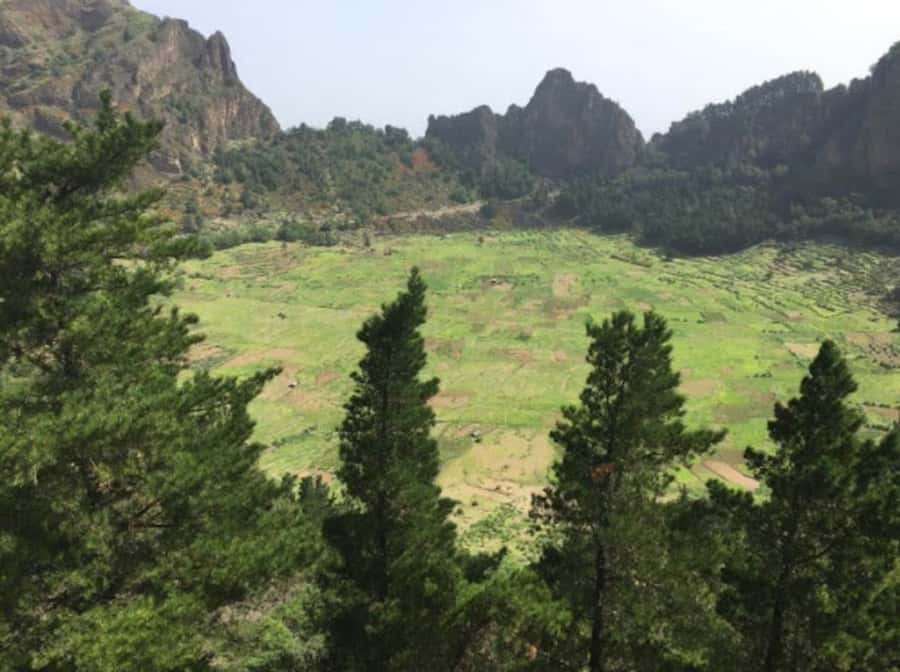
- Cova de Paúl crater viewpoints that frame a deep green valley all the way to the sea
- Paúl Valley agriculture on foot, walking past mango, papaya, and coffee plants
- Guides who manage pace with care, with names like Sonia, Madu, Danny, and Carlos showing up in real outings
- Grogue distillery entrance included, so the rum story isn’t just a slideshow
- A full-day loop that uses ferry and road trips efficiently, instead of wasting time waiting
Ferry to Santo Antão: where the day starts on the water
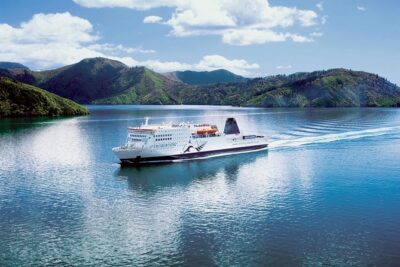
The day begins with an early pickup from your accommodation in Mindelo, then a transfer to the harbor. From there you take the ferry across the canal to Porto Novo on Santo Antão. The crossing is up to about an hour, and it’s not just transportation. When conditions allow, you can stand on deck and look for marine life like dolphins and flying fish.
If you get motion sickness easily, don’t ignore that. The route is often calm, but it still depends on winds, so it’s worth being prepared. A short spell on deck can be great for photos and fresh air, but if the sea feels choppy, stick to the comfortable seating and music onboard.
How Mindelo pickups and Porto Novo transfers keep the day from falling apart

This trip is built around timing. You’re not just hopping on and off at random. You get a structured rhythm: Mindelo → harbor → ferry → Porto Novo → van → crater start → valley walking → lunch stop → coastal road return → ferry → back to Mindelo.
That matters because Santo Antão’s highlights aren’t near each other like a theme park. The day uses vans to reach viewpoints and trailheads, and it keeps the hike part focused. One of the most praised parts of the experience is how smoothly transport and handoffs work, with pickups described as punctual and the driving handled with care through the curves.
You’ll also do two main transitions:
- Ferry-to-road at Porto Novo, where the guide meets you and you head up toward the crater.
- Road-to-ferry near the end, when you return to the coast for the ride back to São Vicente.
It’s one reason the outing feels full, not rushed.
Cova de Paúl crater hike: the reason most people call this the best part
Your first big moment hits at Cova de Paúl, a volcano crater. You ride up, then start with a guided portion that includes a safety briefing before you begin hiking. From the top, you get breathtaking views over the lush green valley below, with the sea visible in the distance toward Vila das Pombas.
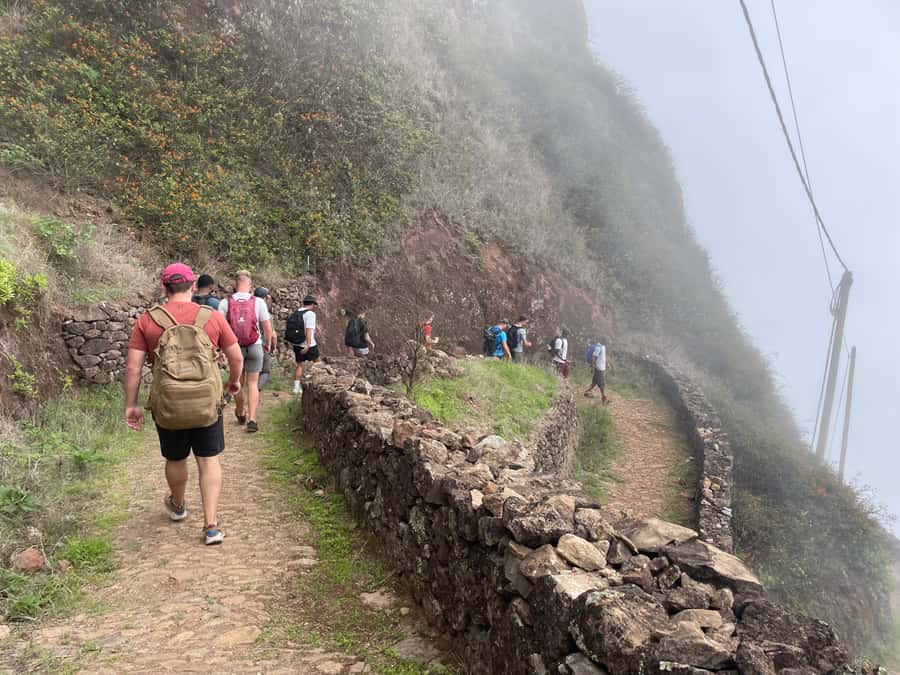
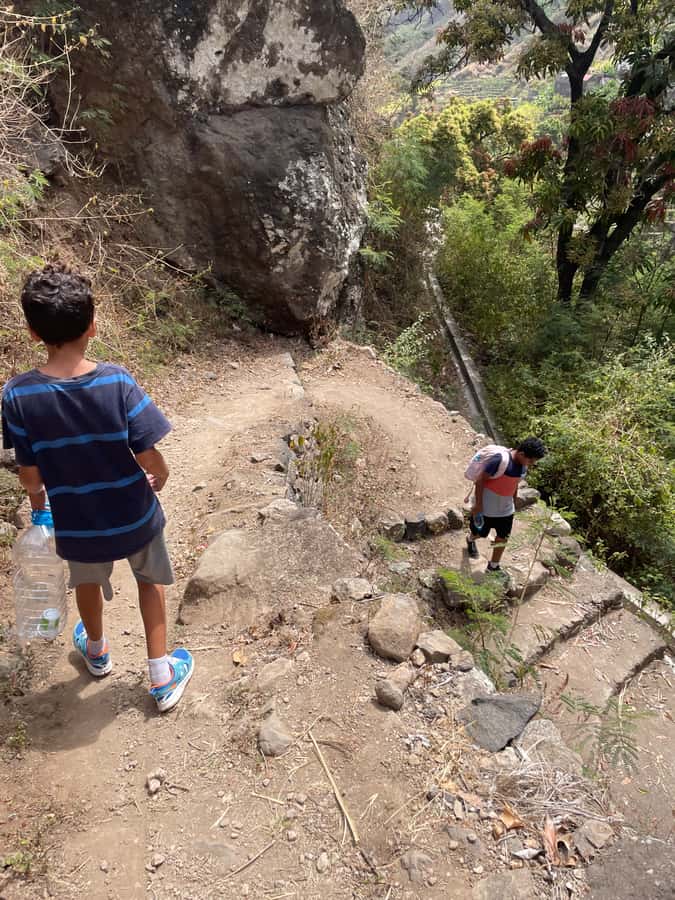
What you’ll love here is the way the hike works with the island’s geography. The route is mostly descending, so once you start, the day becomes about controlling your footing and taking in the views. That said, don’t treat it like a flat stroll. Expect uneven and sometimes stony ground. People consistently point out that strong hiking shoes are not optional.
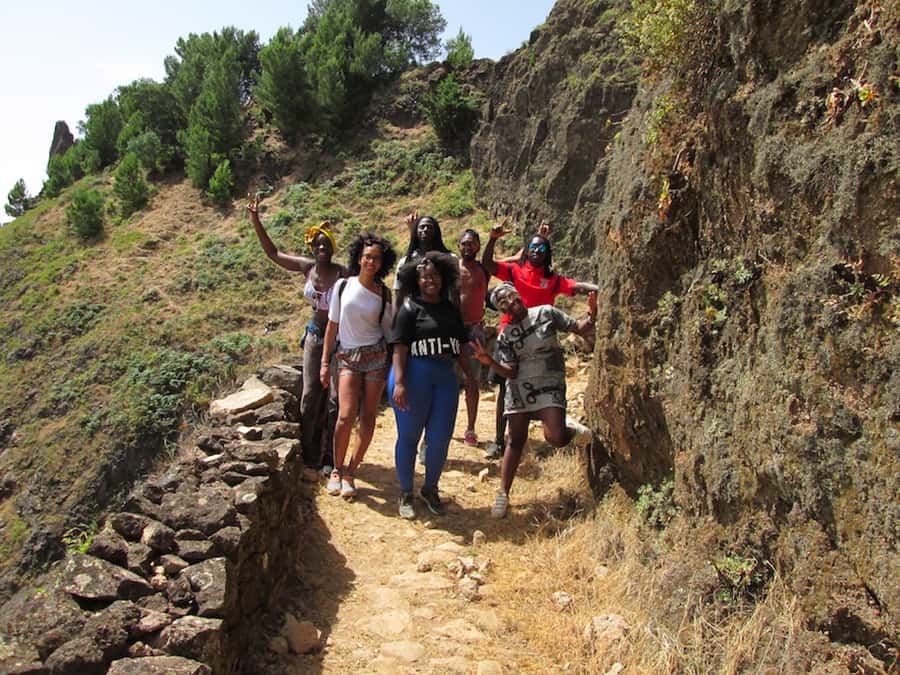
This is where guides matter. You’ll have a local guide speaking English, Portuguese, Spanish, or French, and the best part is how they connect what you see to how life works here. In different outings, guides like Madu and Sonia were described as friendly, funny, and attentive to pace—meaning they adjust tempo so you aren’t steamrolled or waiting around for someone too far behind.
If you’re afraid of heights, this is the part to think about. Even with a safe route and a good guide, being on a crater rim and looking out over the valley can be intense.
Paúl Valley villages: walking through the island’s daily life
After the crater segment, the trail leads you down toward Cabo de Ribeira, and you walk into the Valley of Paúl. This is the stretch that turns scenery into understanding.
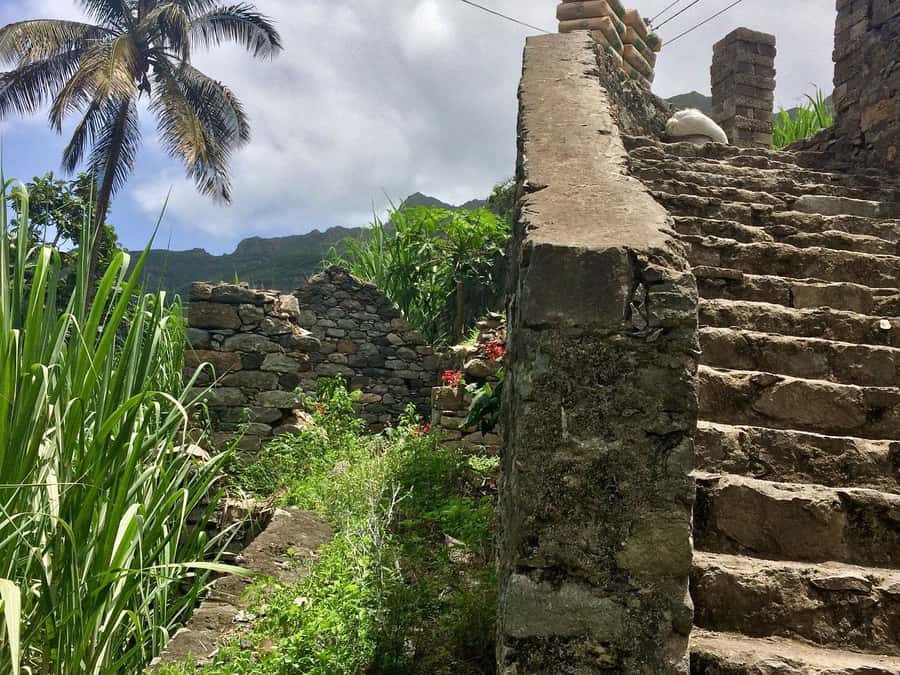
The valley is the island’s most fertile area, and you can see that fast: fruit trees and crops line the walking route, including mango, papaya, goiaba, oranges, apples, passion fruit, avocado, and banana. You may also notice sugarcane fields and coffee plants.
What’s especially valuable is how this part feels like a working landscape. You pass through small villages where agriculture is daily routine, not a cultural performance. The guide’s job here is translation: they explain what you’re seeing, why it grows here, and how people make their living.
A note on pace and comfort: this section is mostly about walking downhill and moving through village areas. You’ll want water and a jacket, because mountain air can shift quickly, even when the sun is out. Also keep your hat and sunglasses handy for the exposed stretches.
Lunch in Ribeira Grande: refueling with local food (and bring cash)
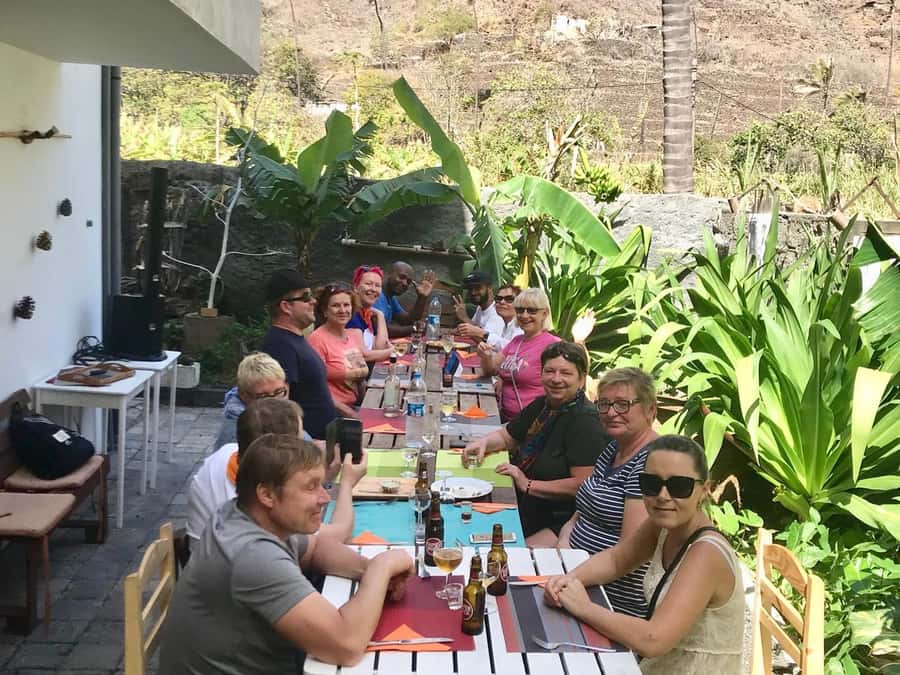
Once you’ve worked up an appetite, you stop for lunch in Ribeira Grande. Lunch isn’t included in the price, but the good news is that it’s a typical local restaurant stop, not a tourist-only setup.
One practical detail to keep in mind: the restaurant accepts euros and escudos, but no credit cards. If you want a stress-free meal, plan ahead and carry enough cash.
If you have dietary restrictions or allergies, tell the operator in advance. That’s smart because meals in rural settings can be built around what’s available locally. You’ll also appreciate having a little buffer here in the schedule since you’re going to be on the move again right after.
In multiple accounts, lunch is described as genuinely good, which tells me this isn’t the usual hurried, forgettable stop.
Grogue distillery visit: rum-making you can actually picture
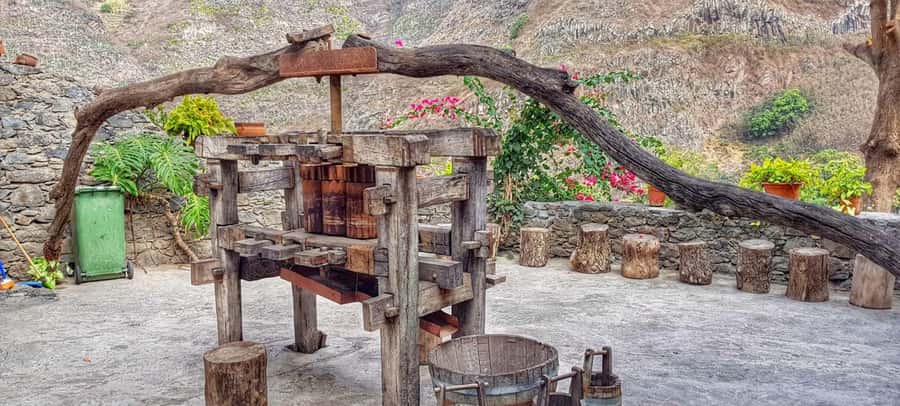
In the afternoon, you’ll make a stop at Grogue distillery. Entrance is included, and the visit is short (about 20 minutes for the spirits stop), so treat it like a quick window into how rum is made, not a long museum day.
This kind of stop is valuable because it adds a different layer to the outing. You’re not only walking through crops; you’re seeing how the island turns plant life into something that becomes local culture. It also helps you understand why farming matters beyond food. When the guide talks through the process, you start connecting the valley’s output to the products people enjoy and sell.
If you want deeper detail, you might wish the visit lasted longer. But as part of a full 11-hour day, a focused stop is exactly what keeps the schedule workable.
The coastal return and ferry back: what the last hour really feels like
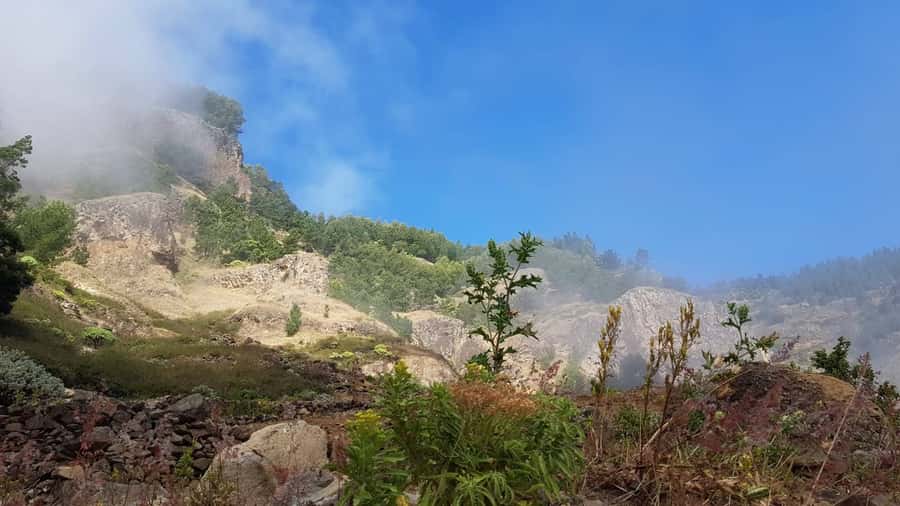
After the distillery stop, you return by van toward the ferry. The ride includes time on the coastal road, with mountain tunnels and colorful villages along the way. This is a good moment to rest your legs, sip water, and take in the different angles of Santo Antão once you’re off the hiking route.
Then you board the ferry back to São Vicente. The return crossing is another roughly hour-long segment, followed by a transfer back to your accommodation in Mindelo. By this point, your body will know you did a real hike, and your eyes will still be on the crater views you saw earlier.
If you tend to get tired of boats, try to plan small priorities for the return: just one last deck look if conditions are calm, then use the rest of the ride to sit back.
Price and value: is $141 worth it for this full-day format?
At $141 per person, this is not a cheap add-on. But it also isn’t priced like a simple walk in the hills. The value comes from what’s bundled:
- Roundtrip ferry tickets between São Vicente and Santo Antão
- Pick-up and drop-off in Mindelo
- Private transportation (van transfers on Santo Antão and back to the harbor)
- A local guide (English, Portuguese, Spanish, French)
- Entrance to Grogue distillery
- Liability insurance
The big cost items are handled for you, which matters on an island day trip where you’d otherwise have to coordinate transport, timing, and a guide. The two items not included are lunch and beverages, so you’ll budget extra for that meal and drinks.
My take: this price feels fair if you want a guided crater-to-valley hike plus a distillery stop in one day. If you only want one small part (just views, or just farming), you might prefer a shorter option. But for most people coming to Santo Antão for the first time, this “one day, several highlights” format is exactly what you’re paying for.
Who should book this, and who should skip it
This is best for you if:
- You want real hiking with guidance, not just a scenic bus ride
- You enjoy learning how islands work through farming and everyday life
- You like cultural stops that connect to local production, like rum at Grogue
- You appreciate a guide who manages pace, like Sonia, Madu, Danny, or Carlos described in past outings
You should think twice or skip if:
- You have back problems
- You have mobility impairments
- You’re afraid of heights (crater rim views are a big part)
- You’ve had trouble with altitude sickness
- You’re traveling with children under 5
This isn’t a “sit and smile” tour. It’s a walking day in mountains, with uneven footing and a long schedule.
What to pack and how to handle the terrain and weather
Bring practical items and you’ll feel more comfortable from start to finish:
- Passport (required for ferry travel)
- Hiking shoes with good grip
- Water
- Jacket, and a sweater if you’re traveling November through March since mountain and ocean air can feel cool
- Hat and sunglasses for sun protection
- Optional walking stick if you like extra stability
- Trekking gear if you own it and feel better with it
Also, think about motion and altitude:
- If you experience seasickness, prepare ahead. The ferry is usually calm but depends on winds.
- The roads include high altitude sections, so take the physical side of the day seriously, even if you’re healthy.
One more practical tip: wear comfortable clothing you won’t mind getting dusty. You’ll be walking through valley paths and village areas.
Should You Book the Cova–Paúl Valley Trek?
If you’re choosing between a plain ferry-and-look tour and something with real walking, I’d book this. The combo is strong: Cova de Paúl crater for big views, Paúl Valley for farming and village life, and Grogue distillery for a local production story. The day is long, but it’s structured in a way that keeps you moving rather than waiting.
Just be honest with yourself about the physical side. This hike involves uneven terrain and a steep feel from crater to valley. If you’re comfortable on your feet and can handle a few hours of downhill walking, you’ll likely come away with the kind of memories that stick: green valley views, fruit trees you can name, and rum-making you can picture.
FAQ
How long is the Cova–Paúl Valley trek day trip?
The total duration is 11 hours.
What’s included in the tour price?
Pickup and drop-off in Mindelo, roundtrip ferry tickets, a local guide, private transportation, entrance to Grogue distillery, and liability insurance are included. Lunch and beverages are not included.
Do I need my passport?
Yes. You’ll need your passport for ferry travel.
What should I bring for the hike?
Bring hiking shoes, water, a jacket (and a sweater for cooler months), a hat and sunglasses, trekking gear, and your passport. A walking stick is optional.
Is this tour suitable for people with mobility or health limitations?
It’s not suitable for children under 5, people with back problems, people with mobility impairments, people afraid of heights, or people with altitude sickness.
Is lunch included, and how do I pay at the restaurant?
Lunch is not included. The restaurant accepts euros and escudos, and it does not accept credit cards.