REVIEW · MOROGORO REGION
3 DAYS, 2 NIGHTS SAFARI FROM ZANZIBAR TO MIKUMI BY FERRY.
Book on GetYourGuide →Operated by Safe Zanzibar Tours & Safari · Bookable on GetYourGuide
A safari that starts on the sea. This Zanzibar to Mikumi route mixes game drives with local culture, and the travel is part of the adventure instead of a boring hurdle. You’ll move by ferry, then high-speed train, then car—so you get a real feel for the country along the way.
What I especially like is the pace. This isn’t a rushed flight-style hop; it’s a calmer plan that gives you time to settle in at Mikumi and actually enjoy the day. I also like how much is wrapped into one package—guiding, meals, park time, and the Maasai village visit—so you spend less energy coordinating and more energy watching animals.
One thing to consider: you’ll have long travel days. Even with good timing (morning ferry and train connections), Day 1 and Day 3 are still about getting from island to mainland and back again.
In This Review
- Key things you’ll enjoy most
- Zanzibar to Mikumi by ferry and train: why this route feels different
- Day 1 from Zanzibar to Mikumi: ferry, train, lunch, and a Maasai visit around 16:30
- Day 2 in Mikumi: the early start that helps you see lions, elephants, and zebras
- Where you sleep matters: park stays vs Morogoro nights
- Maasai village tour: culture that’s scheduled, not squeezed
- Price and value at $730 per person: what’s included, and what it means
- The guides make or break it: Seif, Khamis, and Godfred-style support
- Who this Mikumi trip is best for
- Practical tips before you go (so Day 1 feels smooth)
- Should you book this Zanzibar to Mikumi safari by ferry?
- FAQ
- How long is the safari?
- How much does it cost?
- Where does the safari start and end?
- How do you travel from Zanzibar to Mikumi?
- What’s included in the price?
- Is alcohol included?
- What wildlife can I expect to see in Mikumi?
- What language is the tour guide?
- Is pickup available in Zanzibar?
- What do I need to provide in advance?
Key things you’ll enjoy most
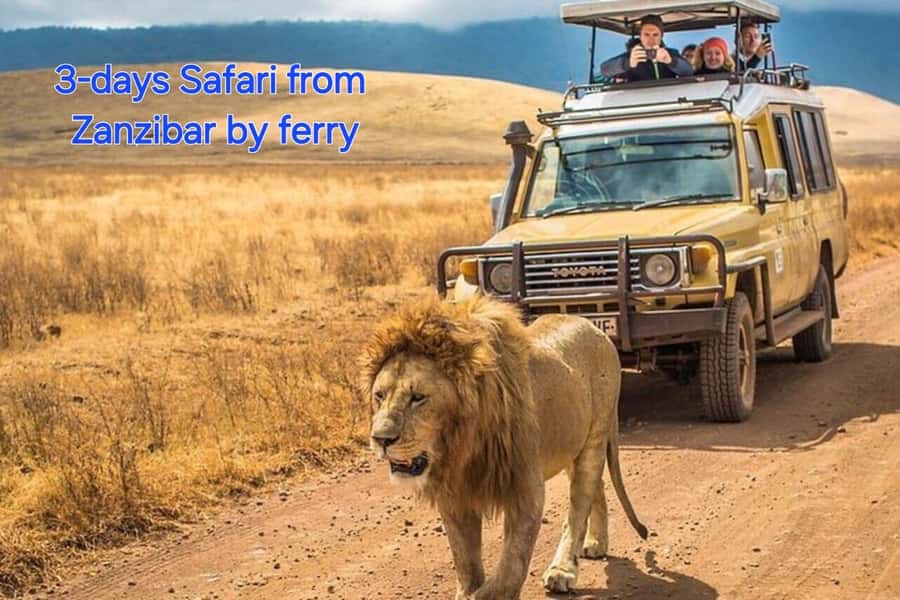
- Ferry + high-speed train route: you see more of mainland Tanzania than a quick flight transfer
- A full-day Mikumi game drive: early start, then long daylight wildlife time
- Maasai village visit: a structured cultural stop at about 16:30, not a random stop
- Big Cat and big animal chances: lions, elephants, giraffes, zebras, and more are in the game plan
- Relaxed, no-rush safari rhythm: built around road time, not just quick air legs
- Guides who keep things smooth: names you may meet include Seif, Khamis, and a safari guide such as Godfred
Zanzibar to Mikumi by ferry and train: why this route feels different
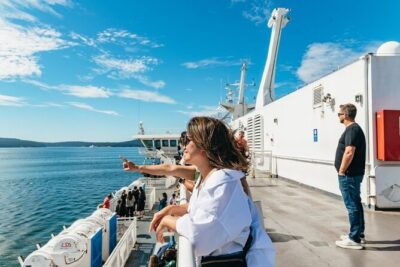
If your default safari plan is a flight to a park, this one hits a different note. The big change is how the journey itself becomes part of your trip. Instead of landing, grabbing a transfer, and jumping straight into early evening, you’ll take the 7:00 AM ferry to Dar es Salaam, arrive around 8:40 AM, then connect via 9:30 AM high-speed train to Morogoro (arriving around 11:15 AM). That’s a lot of movement, but it’s also a lot of Tanzania in motion.
What you gain from that slower travel style is mental breathing room. You’re not battling jet-lag plus a chaotic schedule. You’re also not stuck staring at an airport terminal while your safari day gets chopped into fragments. I like itineraries where the logistics don’t bully your enjoyment, and this one generally aims for a steady flow from one part to the next.
The other value piece is what this style supports: a real private safari feel during your Mikumi day, plus a cultural encounter that isn’t shoved into a single awkward hour. You’re building two experiences—wildlife and people—rather than treating culture as an afterthought.
Day 1 from Zanzibar to Mikumi: ferry, train, lunch, and a Maasai visit around 16:30
Day 1 is your “arrive, settle, and connect” day. After pickup from your hotel in Zanzibar, you’ll head to the ferry terminal in the morning. Then it’s ferry to Dar es Salaam and onward by train to Morogoro. Once you reach Morogoro, you transfer toward Mikumi and get your first lodge or hotel base set.
By the time you reach Mikumi, you’re not rushing straight into a dark-day drive. You’ll have lunch after arrival, plus a breather before the cultural activity. The Maasai village visit is timed for about 16:30, which is smart because the light is often better and you’re not falling asleep mid-conversation. It also helps you avoid that classic safari rhythm of breakfast, drive, nap, repeat.
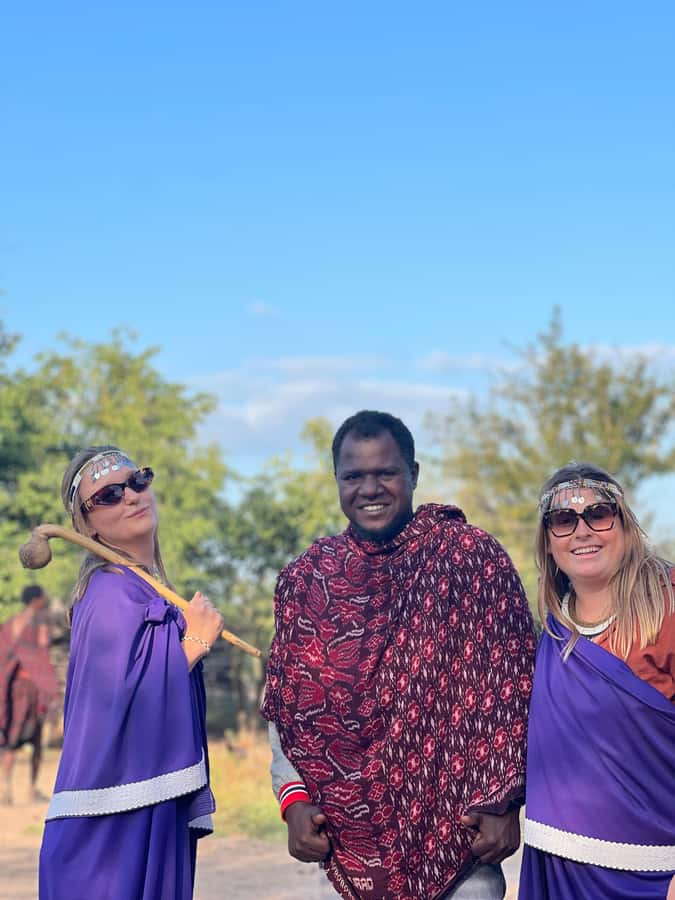
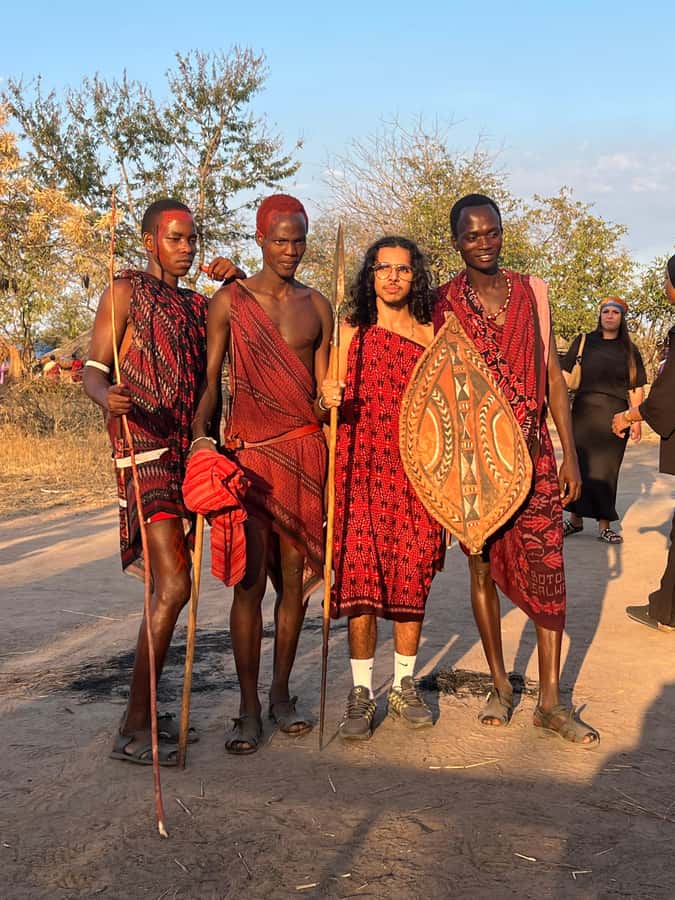
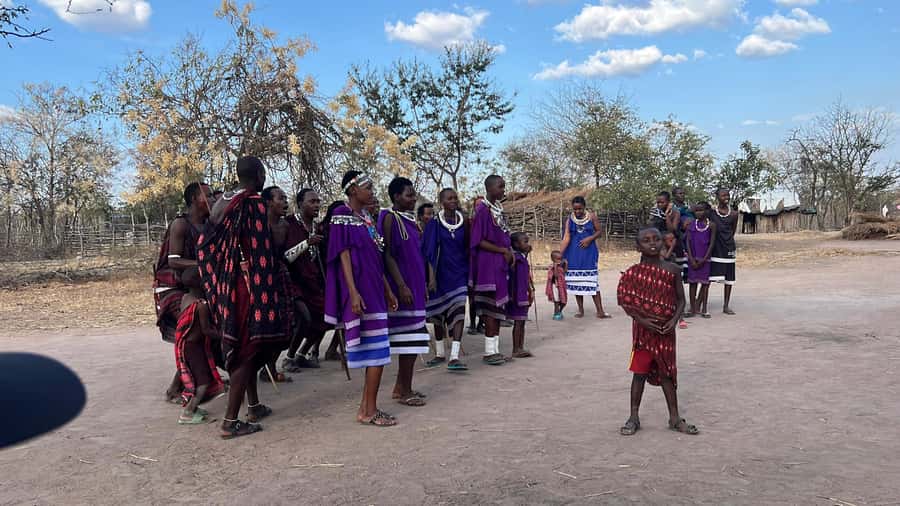
In the village visit, you’re not going to a themed production. The program is designed as a cultural tour with Maasai people. In one recent experience connected to this route, people were even offered small fruit like bananas during the visit, which made it feel more personal and less like a checklist stop.
A practical note: you’ll want to keep your energy for the evening. Day 1 can be tiring—not because it’s poorly planned, but because it’s travel-heavy by design. If you’re the type who needs downtime between activities, this schedule gives you that between lunch and the 16:30 cultural visit.
Day 2 in Mikumi: the early start that helps you see lions, elephants, and zebras
Mikumi rewards early. Your Day 2 begins with breakfast at 6:00 AM, then you’re out for a full-day game drive. This is the main event, and it’s set up to give you long hours of wildlife viewing rather than a quick half-day window.
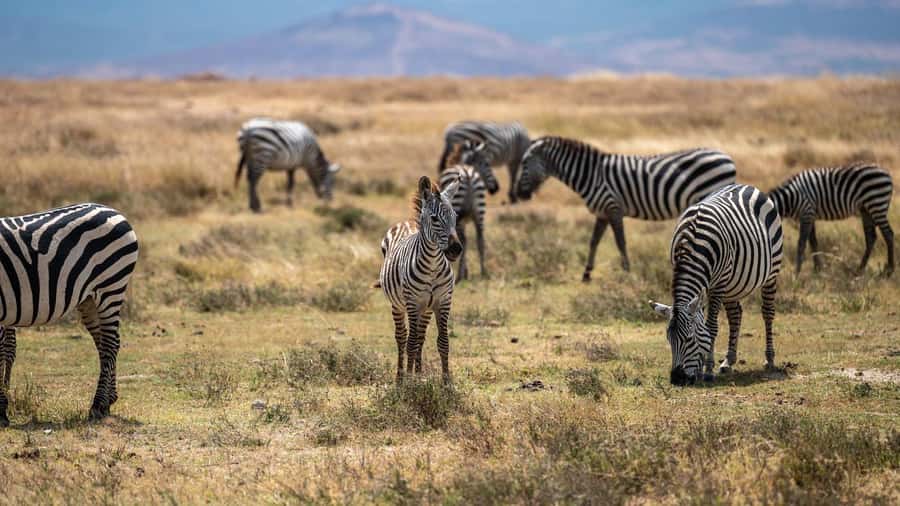
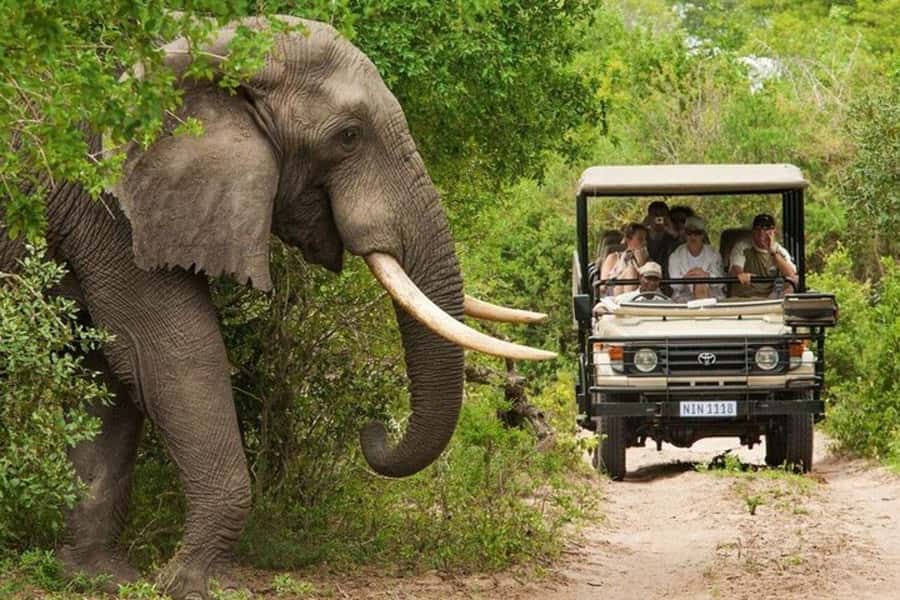
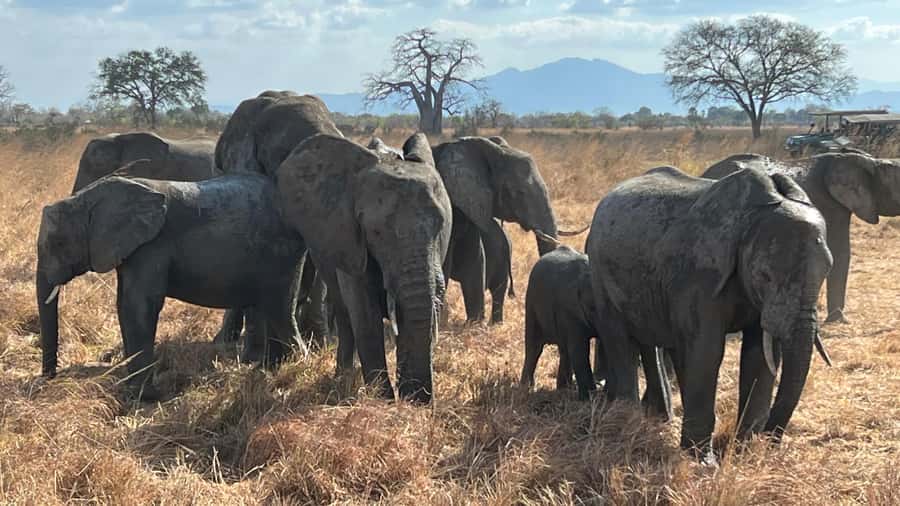
The animal possibilities in the plan are concrete, not vague: you’re set up to look for lions, elephants, zebras, giraffes, and antelopes, plus lots of other species that share the park space. Mikumi is known for strong sightings when you’re patient, and a full day gives your guide room to reposition when the action is moving.
One detail I really like is that you’re not living on dry snacks all day. There’s a lunch option inside the park, described as a buffet lunch in the afternoon, followed by more driving as the day continues. That matters because it keeps your eyes on the habitat instead of you counting minutes until the next meal stop.
About Big Five expectations: the trip’s focus is that you can see the big “role players” in Mikumi, and it specifically notes the Big 4 are possible there, while also being clear that it may not be possible to see them all. That’s honest, and it’s the right mindset to have. When you’re aiming for complete lists, you can feel disappointed. When you’re aiming for good sightings and learning from the guide, you enjoy the park even if a specific animal doesn’t show up on cue.
If you care about learning how animals move through the day, this full-day format is the best kind of “time to watch.” You’ll get multiple windows: morning feeding and movement, midday changes in activity, then the slower late-day moments when animals often become easier to spot.
Where you sleep matters: park stays vs Morogoro nights
Night one and night two are built around either returning to Morogoro for dinner and overnight, or staying at the Mikumi lodge for dinner and overnight. Which one you get depends on how the day flows and the lodge arrangement.
What you can plan for is a transition from safari mode into a calmer, human scale. In one experience tied to this route, the lodge inside the park was described as fabuleux and atypique, which is a good sign if you like your sleep experience to feel connected to the place you visited. That same experience also mentioned the lodge feel being different from plain city hotels.
There’s also a practical “quality of life” detail from the route: at least some lodge evenings include small, memorable wildlife extras. One example described how the camp showed visitors a water spot and a pool area where zebras were drinking. It’s the kind of small evening detail that makes a safari feel more than a day-trip.
If you prefer convenience and a familiar hotel feel, the Morogoro option might suit you better. If you want the park mood to stay in your day after sunset, the on-site lodge choice usually feels more immersive. Either way, the trip includes accommodation and dinner as part of your package plan.
Maasai village tour: culture that’s scheduled, not squeezed
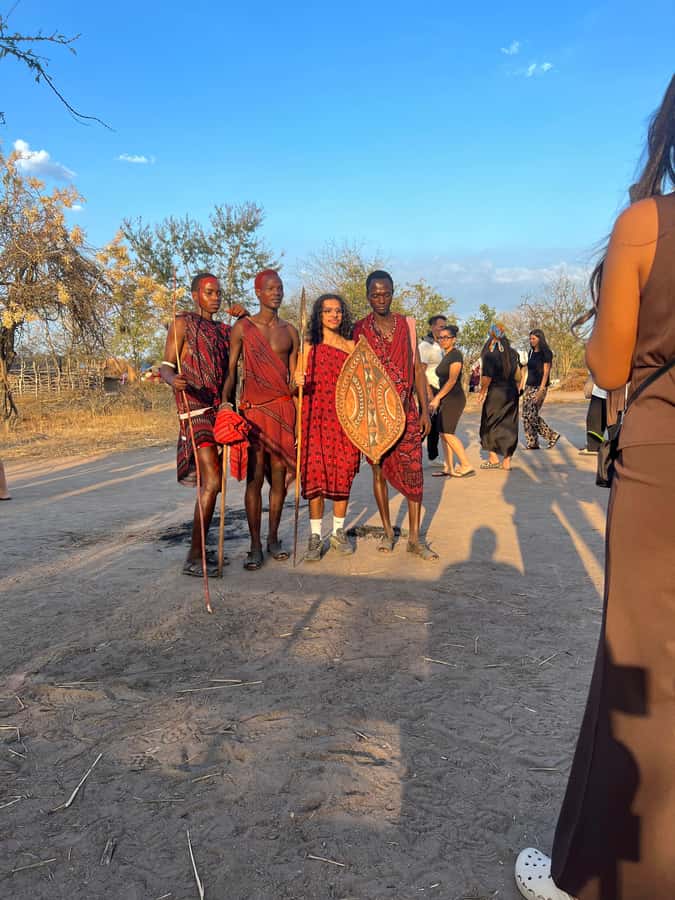
The Maasai village visit is one of the clearest schedule anchors in the trip: it happens at about 16:30 on Day 1. That timing is useful. You’re fresh enough to pay attention, but not so rushed that the experience becomes a quick photo stop.
What I like about this visit in particular is that it’s presented as a culture tour with Maasai people, not a generic “look at some huts” detour. You’re told it’s with the Maasai people themselves, which is the difference between staged tourism and a real community interaction.
A good way to get more out of this stop is to go in with respectful curiosity. Ask questions about daily life, learn a few basics of what you’re seeing, and keep your expectations human-sized. Culture visits can vary depending on the day and people you meet, but the structure here is meant to make the encounter feel intentional.
If you’re traveling with kids or you want an easy non-safari activity, this village tour is also a nice change of pace from wildlife drives. You won’t have to stare through binoculars for this one, and the conversations usually feel more immediate.
Price and value at $730 per person: what’s included, and what it means
At $730 per person for 3 days, this is not a budget-only option. But it’s also not just “a ride into the park.” The value is in what’s bundled:
- All park entrances
- Guide (English)
- All three meals across the trip
- Soft drinks and water soda
- Hotel accommodation for the overnight(s)
- Transport from your Zanzibar hotel
- Ticketing and travel coordination via ferry, train, and car
- The program is described as including everything, with alcohol explicitly not included
When I see a price that covers meals, accommodation, park fees, and guiding across multiple transport modes, I think about the real cost of doing it yourself. If you try to piece together Zanzibar ferry timing, Dar es Salaam connections, train schedules, park entry, vehicle hire, and guide fees on your own, it’s easy for costs to creep up and stress to explode.
So what’s the catch? The catch is time and logistics. You’re paying for a managed plan, and you give up some flexibility because you’re working on fixed travel connections and safari timing. Still, the overall pitch is clear: you get a full safari day, a cultural stop, and smooth transport without you stitching the entire route together.
Alcohol isn’t included, so if you like a drink with dinner, budget for it separately. Also, the trip is designed for a small group, which usually means you get a more personal feel than large buses.
The guides make or break it: Seif, Khamis, and Godfred-style support
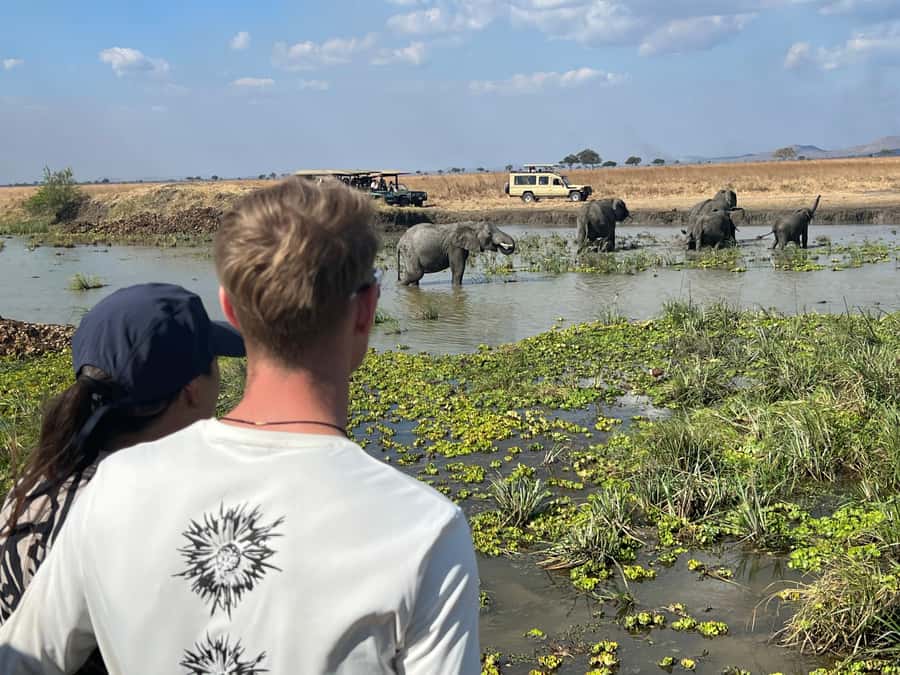
The best part of a safari isn’t the vehicle. It’s the guide’s ability to find meaning in what you’re seeing—tracks, movement, and why the animals choose a certain patch of land.
On this route, guide names show up in a way that suggests real personal service. People mention Seif as a key point of contact who kept everything running smoothly. Others mention Khamis as a guide who was friendly and attentive. And for safari guiding, Godfred is named by at least one traveler as a safari guide who kept searching until a big cat sighting happened.
Even if you don’t meet the exact same individuals, the pattern is consistent: you’re not being dropped off with a map. You’re with someone actively guiding your day.
If you want to maximize your experience, treat this as a “work with your guide” day. Pay attention to what they’re tracking and why they’re changing direction. That’s where the safari becomes more than a list of animals.
Who this Mikumi trip is best for
This safari is ideal if you:
- Want a relaxed pace and don’t want the stress that can come with flight-only connections
- Like the idea of seeing Tanzania by ferry and train, not only by safari vehicle
- Want both wildlife and culture in 3 days
- Prefer a small group and a real guide on the ground
It’s less ideal if you:
- Hate long travel days and tight morning schedules
- Only want a quick “arrive and see animals immediately” plan
- Are hunting a perfect checklist outcome (like seeing every Big Five member). The trip is honest that it’s not guaranteed to see them all, even if the Big Four is possible in Mikumi.
Practical tips before you go (so Day 1 feels smooth)
Here are the things that matter most for this specific route:
- Send your passport copy 3 to 4 days in advance so tickets and connections can be arranged.
- If you use the pickup option, plan to be at the meeting point about 5 minutes before the pickup time.
- Expect early mornings. Day 2 starts with breakfast at 6:00 AM.
- Pack for a long day of movement even though meals and lodge stays are covered.
- Alcohol isn’t included, so plan your dinner drink accordingly.
- The tour guide language is English, so if you need another language, confirm early.
If you’re the kind of traveler who likes order and clear timing, this program is built for you. If you love spontaneity above schedule, you might find the ferry and train structure less flexible than a private car-only route.
Should you book this Zanzibar to Mikumi safari by ferry?
I’d book this if you want a safari that feels like Tanzania, not just a photo stop. The big reason is the balance: you get a full-day Mikumi game drive, a Maasai village tour at a workable time (about 16:30), and the travel itself is part of the experience through ferry and high-speed train.
I’d hesitate if you’re sensitive to long transit days or if your whole goal is ticking off a strict list of the Big Five. This plan is built around good wildlife viewing chances and real guiding, but it doesn’t promise everything on cue.
If your ideal trip is guided, organized, and unhurried enough to enjoy both people and animals, this is a strong match for your calendar and your expectations.
FAQ
How long is the safari?
It’s a 3-day experience with 2 nights.
How much does it cost?
The price is listed as $730 per person.
Where does the safari start and end?
It starts in Zanzibar and finishes back in Zanzibar after traveling to Mikumi.
How do you travel from Zanzibar to Mikumi?
The route uses a ferry from Zanzibar to Dar es Salaam, a high-speed train to Morogoro, and then car transfer to reach Mikumi. The return follows the same route in reverse.
What’s included in the price?
Included are entrances fees, a guide, all three meals, soft drinks/water soda, hotel accommodation, and transport from your Zanzibar hotel along with the full travel arrangements.
Is alcohol included?
No, alcohol is not included.
What wildlife can I expect to see in Mikumi?
The safari plan includes chances to see lions, elephants, zebras, giraffes, and antelopes, plus other animals. The trip notes that Big Four is possible in Mikumi, but seeing all of them is not guaranteed.
What language is the tour guide?
The tour guide provides the experience in English.
Is pickup available in Zanzibar?
Pickup is optional. If you choose it, you should be at the reception about 5 minutes before the meeting time.
What do I need to provide in advance?
You’re asked to contact the operator 3 to 4 days before and send a copy of your passport so ferry and train tickets can be arranged.